SMT equipment sourcing · inspection · packing · global delivery

Home / Equipment / ASC-505
Overview

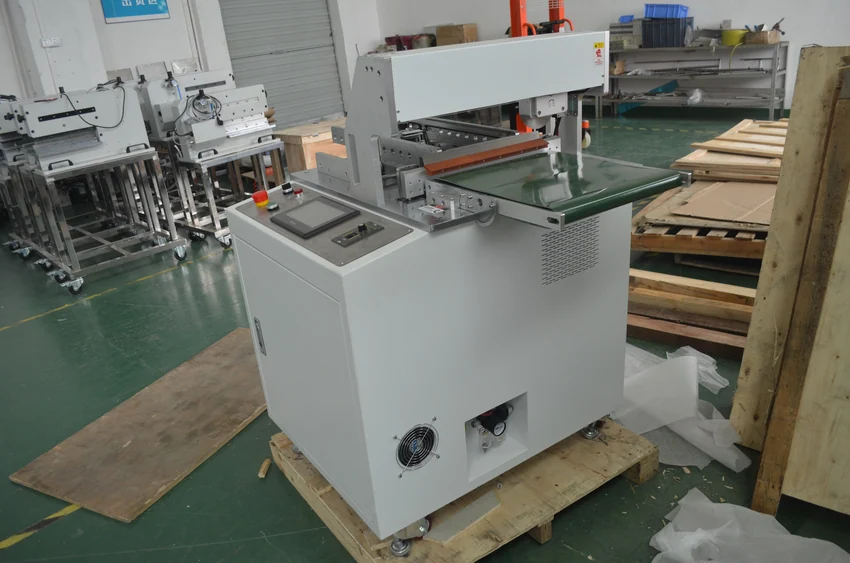
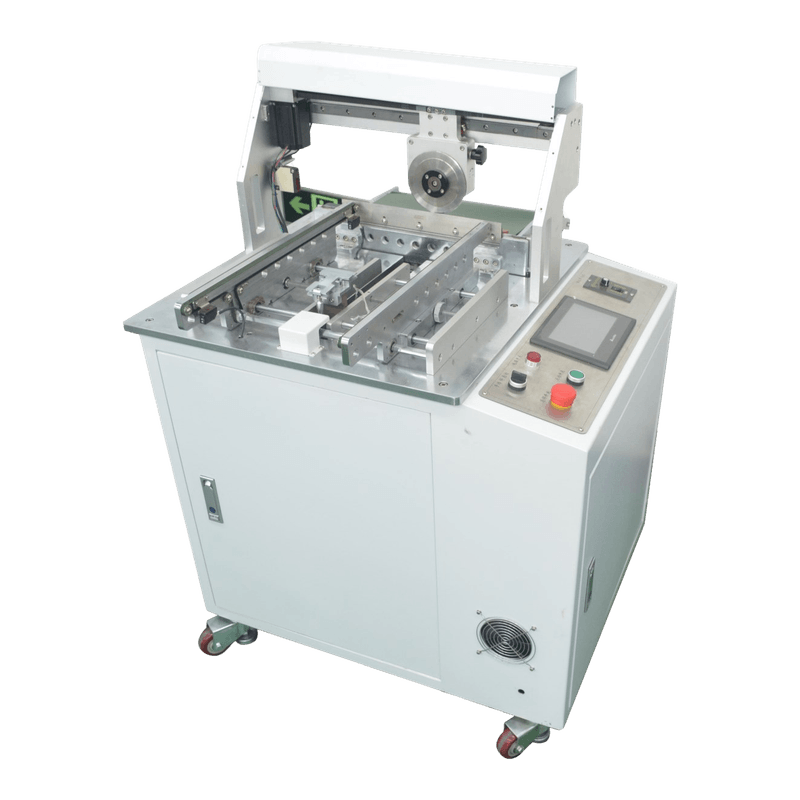
ASC-505 Automatic Travelling-Knife PCB Depaneling Machine

Evaluate the travelling-knife process for the scored boards you intend to separate. The fitted rail width and blade arrangement determine which jobs can run. Two manuals show different board-width limits, so have the supplier identify the actual rail build on the quote.

Model referencesConfiguration checksBuyer's acceptance checksRequest evidence

ASC-505 Technical Specifications

Key Features

TypeManufacturer lists the ASC-505 as an automatic travelling-knife depaneling machine.
Board width referencesTwo documents list 58–220 mm and 58–360 mm. Confirm the fitted rails and revision before ordering.
Selection drawingPCB panel width, score positions, support surfaces and component keep-outs.

Manufacturer information and the matching equipment literature. Manufacturer reference. Confirm the supplied configuration on the quotation.

Typical Applications and Selection

For long straight V-scores with adequate keep-out, compare the knife process against a router where shape, tabs or sensitive assemblies make mechanical support harder. Evaluate cut edges and handling on the same production panel instead of selecting by nominal width alone.

Acceptance Trial

Run trial panels covering the tightest keep-out, largest width and relevant populated configuration. Record feed direction, panel support, blade arrangement and accepted edge finish. Demonstrate guarded operation and fault recovery with the supplier.

Machine Images from Different Angles

Make the PCB drawing the first selection input

Provide the panel drawing, V-score direction and spacing, thickness, substrate and maximum component heights. Compare the actual cutter path and guides with tall parts and any score that stops before the board edge. Separate a single-axis score job from a routed-tab or curved-board requirement.
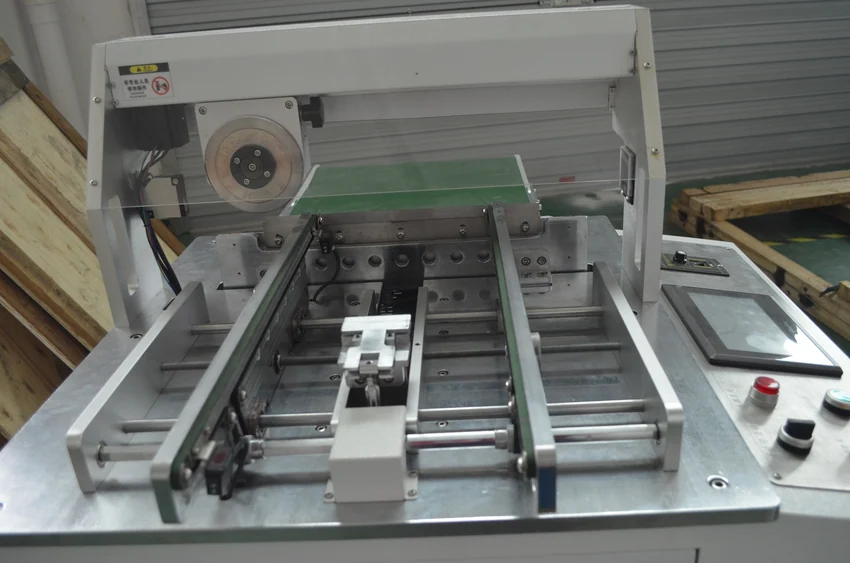
Open deck showing support and rail arrangement

Check the cutting position and support strips

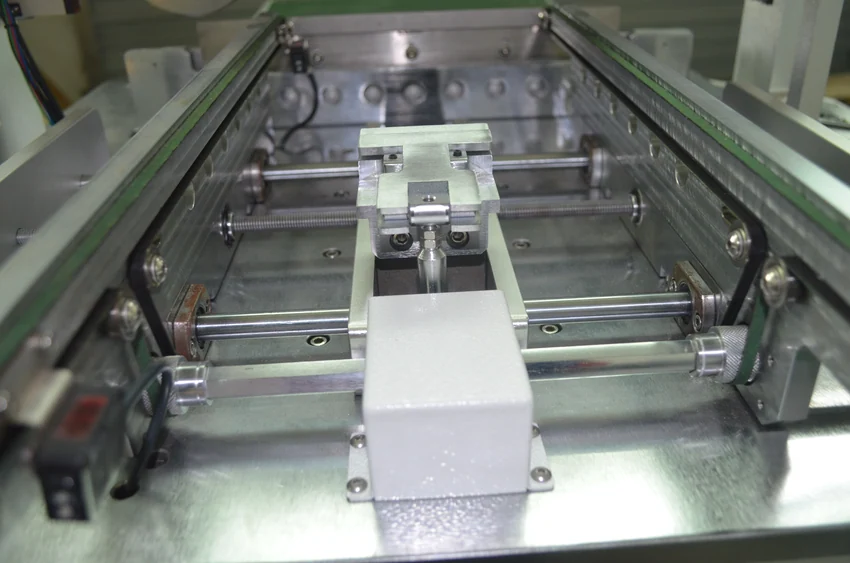
Use a representative board to show blade-to-score alignment and support near the score. Watch for movement as the panel separates. Agree who checks edge damage or unacceptable flex and what sample results are kept.

Close view of the travel and support area

Lock the quote to the demonstrated rail build

Ask for the nameplate, installed guide range and a drawing of the board path. Keep the manufacturer's current stated configuration and the demonstration media together. Provide the two largest panels you may run so clearance is verified before freight and installation.

ASC-505 documentation photo showing the transfer belt and control panel

Running Video and Test Evidence

Ask for a cut trial that shows the panel entering, the score being separated and both resulting edges. Document the fitted rails and the panel width used.

Inspection and Export Preparation

Service and Spare Parts

Confirm the permitted blade inspection and blade replacement procedure, the installed tooling references and adjustment limits. Keep the supplier's isolation steps and training with the handoff.

Quotation checklist

Include the following when asking for a configuration and acceptance plan.

  • Representative scored panel drawing, substrate and keep-outs
  • Fitted rails, tool reference and signed range confirmation
  • Trial panels at the actual limits and separated edge acceptance

FAQ

Common questions when selecting ASC-505 Automatic Travelling-Knife PCB Depaneling Machine for your line.

01Buying question

Which board-width range applies to ASC-505?

The current model name alone does not resolve the two printed limits. Request the actual build drawing and a trial at your minimum and maximum width.

02Buying question

Can the travelling knife separate routed curves?

Match the cutting principle to the board route, score and tabs. A routed contour requires separate evaluation.

03Buying question

What makes a useful acceptance sample?

Supply a representative populated panel, including the tightest component clearance and score geometry, plus the edge and damage criteria you accept.

Export Packing and Installation

Agree the packed dimensions, handling points and protection for exposed interfaces before arranging freight. Ask for the packing list with loose tools and accessories identified so they can be checked at receiving.

Send Your ASC-505 Production Requirement

Share the application, dimensions and acceptance requirements. Ask for the fitted configuration, utility drawing and delivery scope.