
SMT nozzle maintenance: separate contamination, wear and identification faults
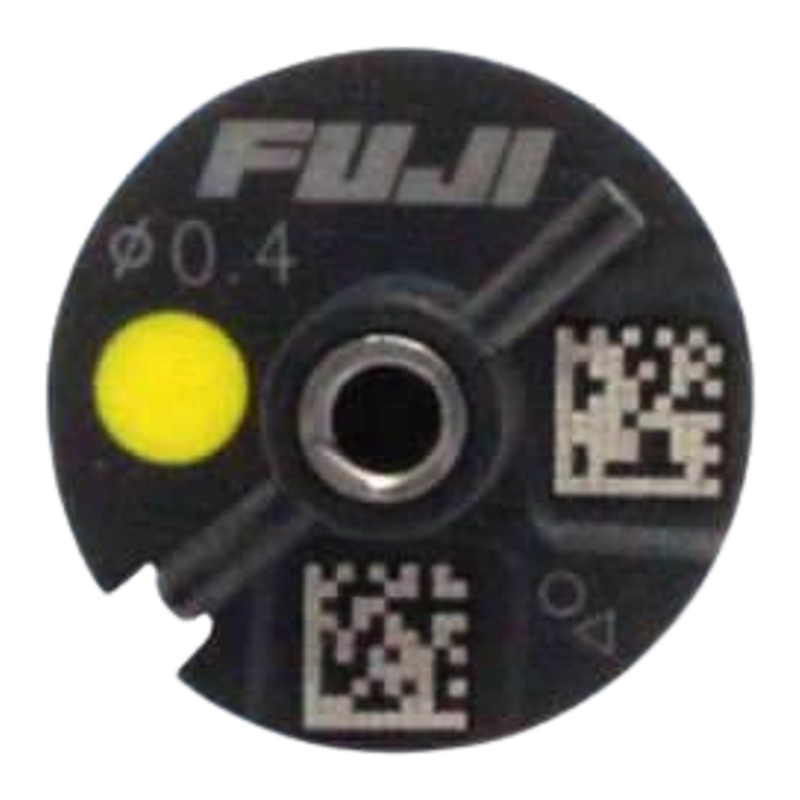
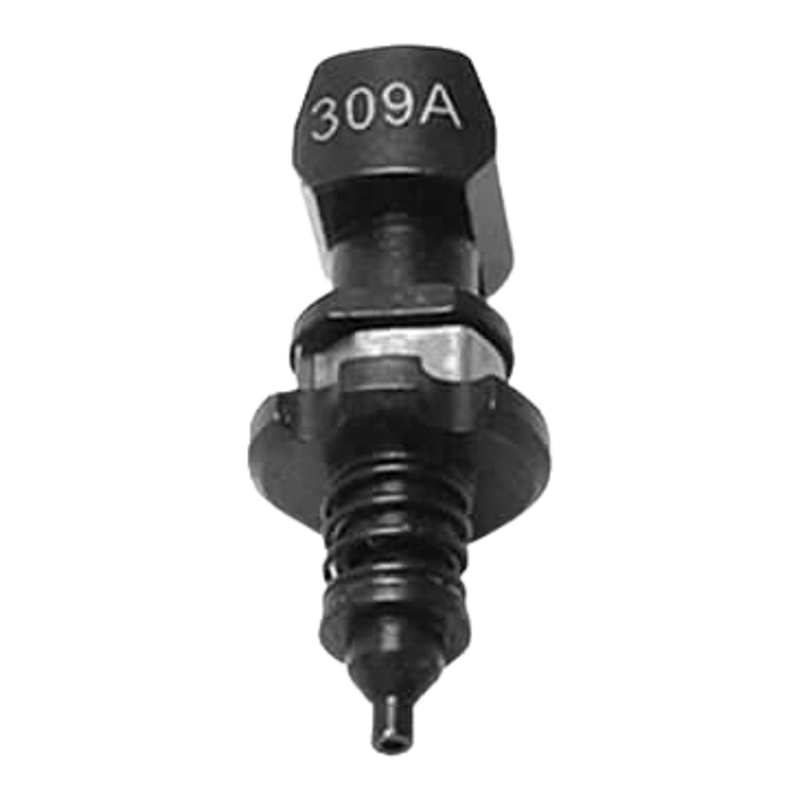
Build a nozzle maintenance record that separates cleaning, inspection and replacement decisions without inventing a universal cleaning recipe.
SMT equipment sourcing · inspection · packing · global delivery
SMT Classroom
Explore SMT processes, inspection methods and practical buying guidance. Start with a question. Learn what to check next.
52 practical guides · 5 learning topics

52 guides · Showing 1–10 · Page 1 of 6

Build a nozzle maintenance record that separates cleaning, inspection and replacement decisions without inventing a universal cleaning recipe.

Prepare a replacement nozzle RFQ that preserves revisions, separates catalogue claims from installed fit, and requests the missing photographs and acceptance evidence.

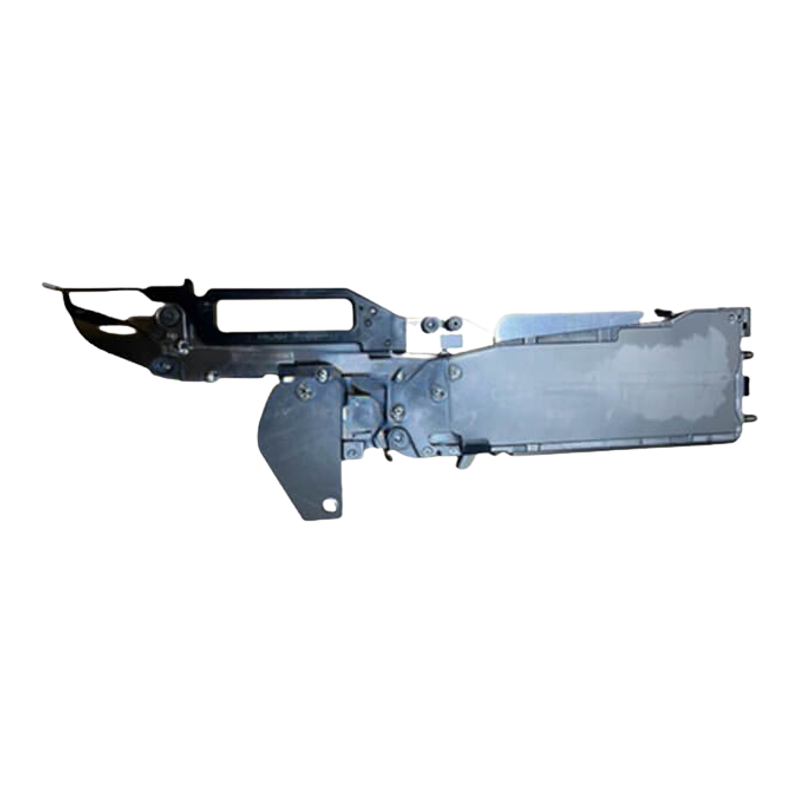
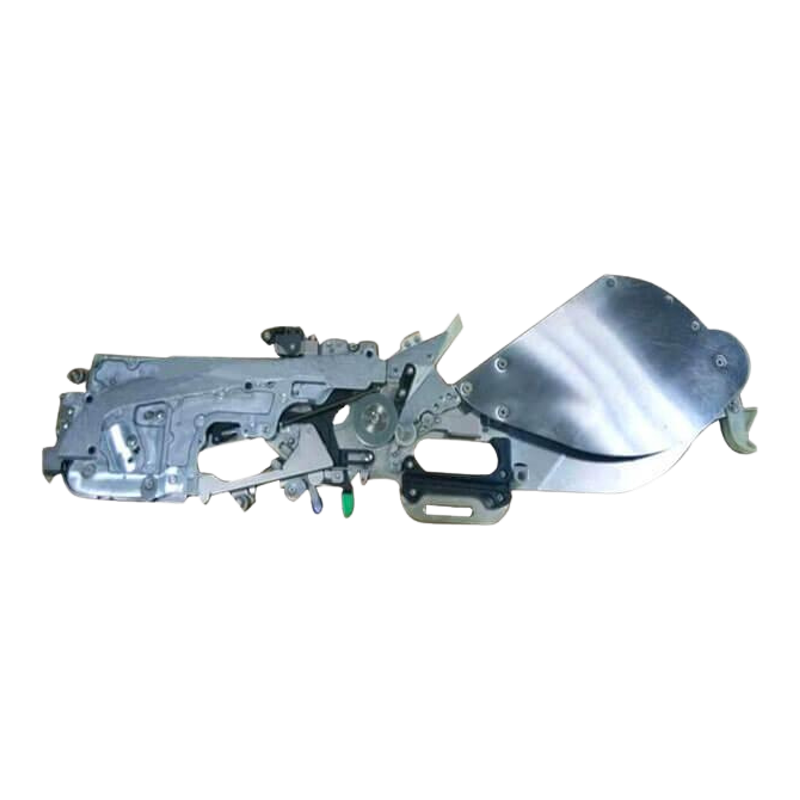
A feeder maintenance handoff that preserves tape context, exact identity and service evidence, without inventing universal adjustment or cleaning settings.

Build a meaningful feeder quotation comparison using exact codes, tape and machine requirements, accessories, condition evidence and agreed acceptance scope.

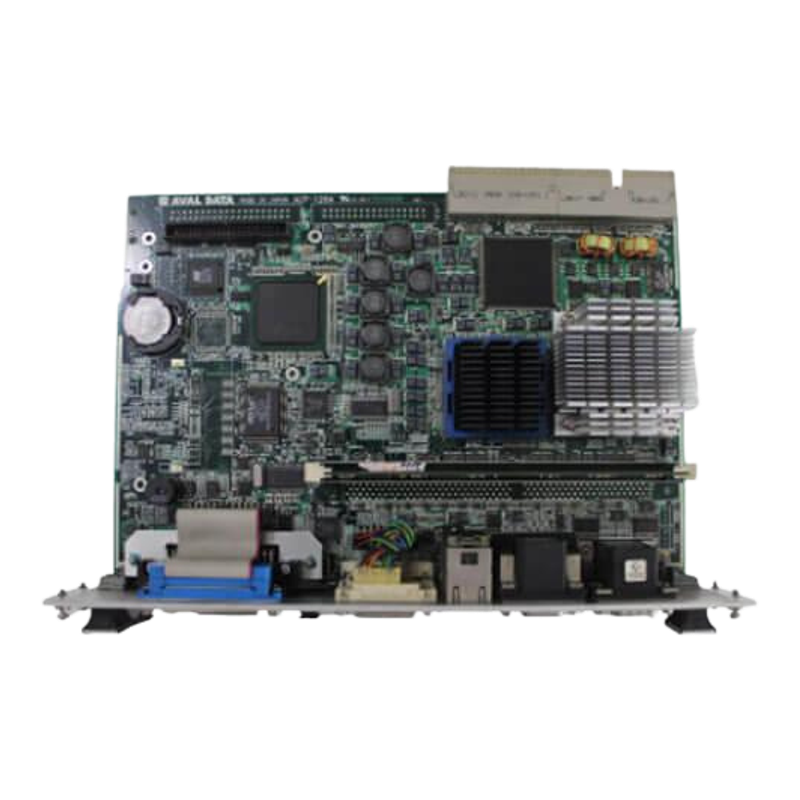
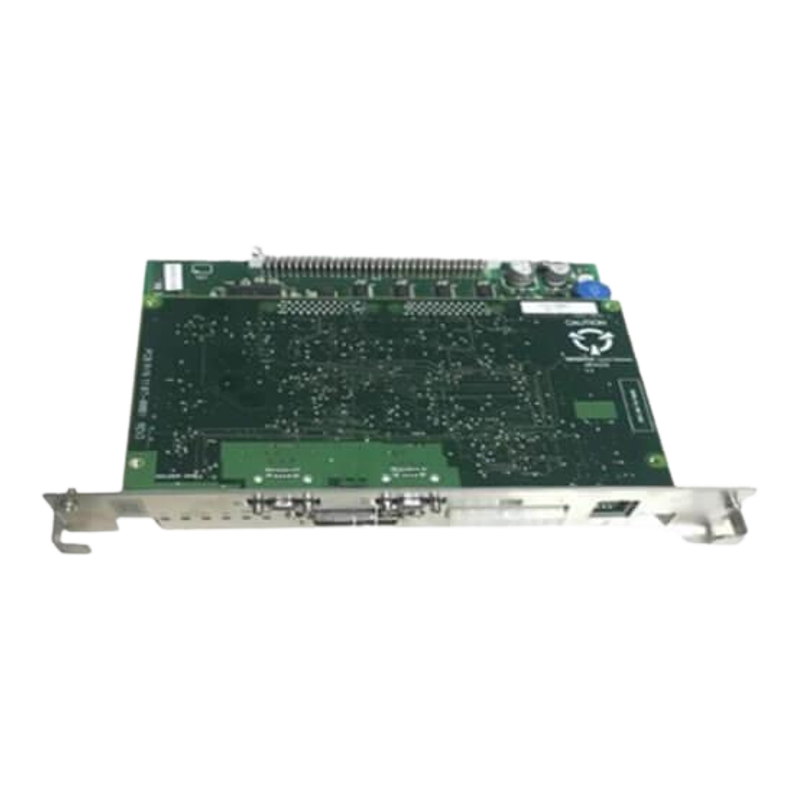
Prepare a traceable SMT circuit-board service handoff with exact assembly identity, fault context, configuration responsibilities and a documented return decision.

Compare proposed SMT electronics service options using assembly identity, included work, configuration responsibility, test limits and return conditions before comparing price.

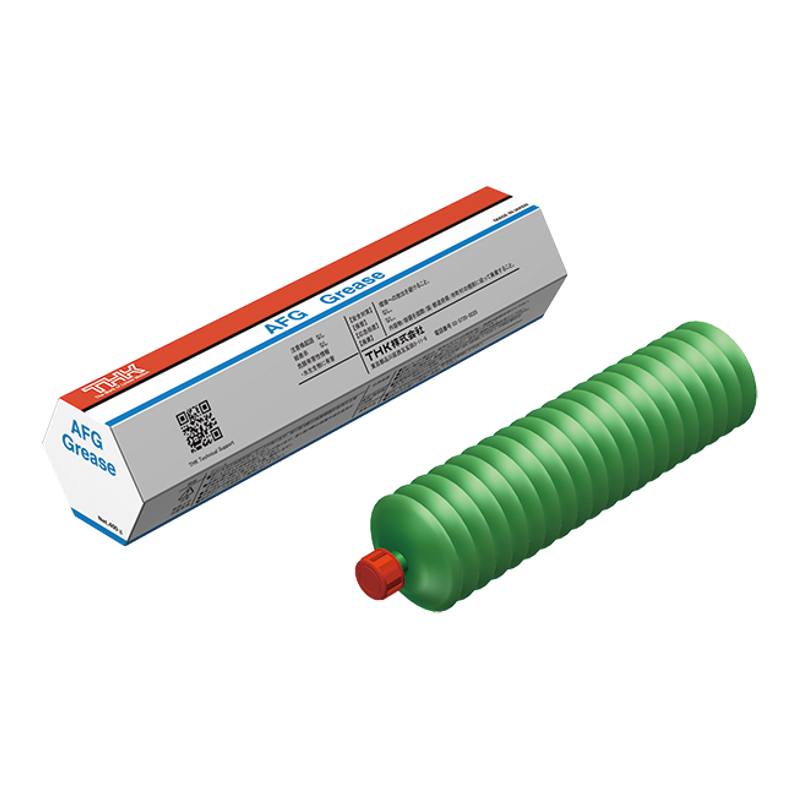
Build a practical lubrication handover around the exact grease, package and machine lubrication point; a shared AF prefix or an axis label is not a substitution approval.

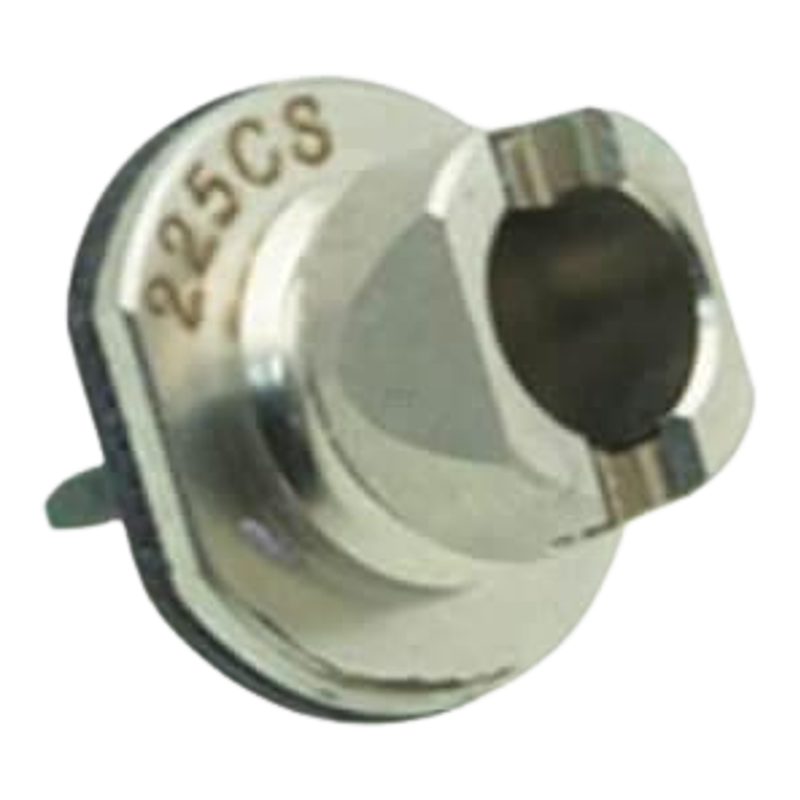
Use 225CS and SIPLACE 733/933 references to distinguish visible nozzle markings, full ordering codes and offered-lot evidence before comparing quotations.

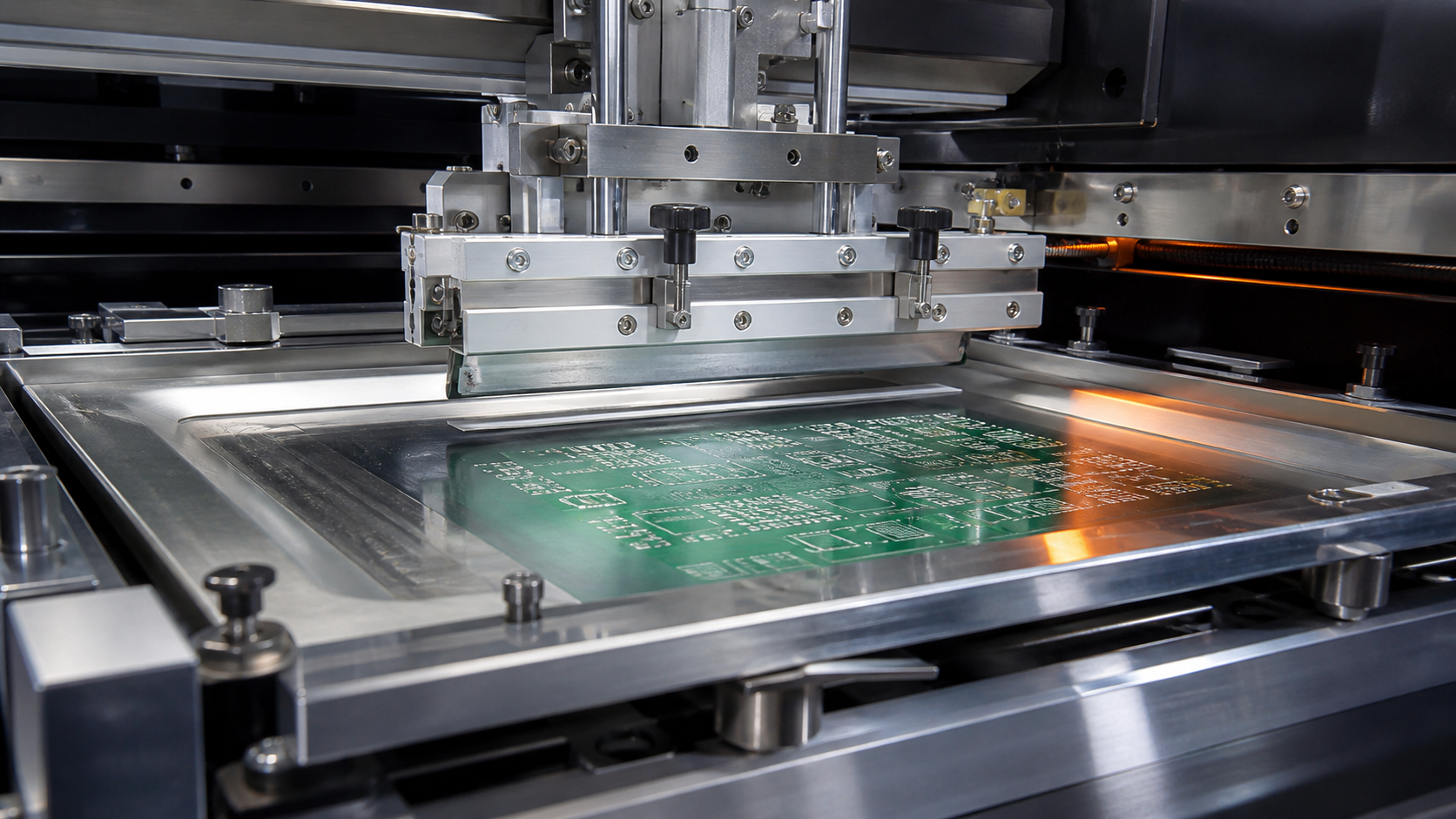
Practical stencil printer setup checks for buyers and process engineers before a setting is treated as production-ready.

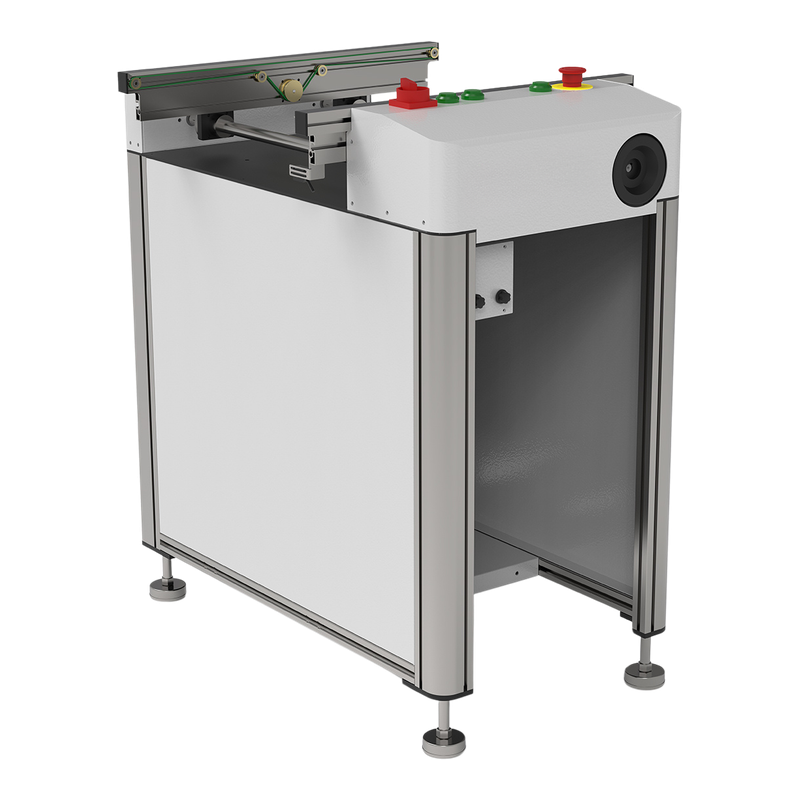
A board that fits between the rails may still collide with a belt, clamp or guide. Specify the occupied edge and both populated sides before comparing conveyors.