
Home / Equipment category / FARoad CPM-F2T
Overview
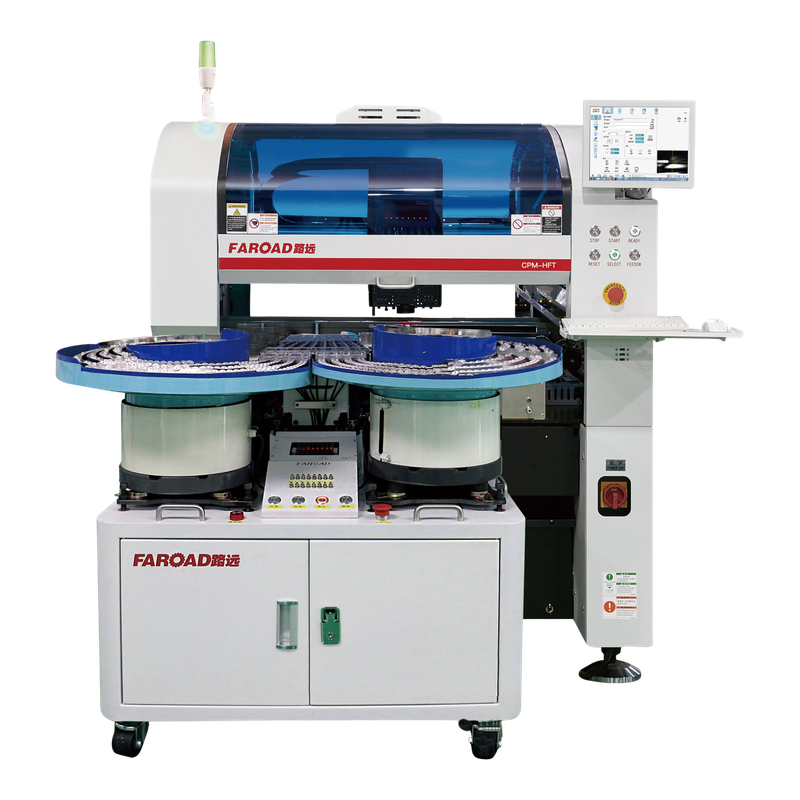
FARoad CPM-F2T LED Lens Placement Machine
FARoad describes the CPM-F2T as a lens placer for LED lighting products. A useful evaluation starts with the lens orientation and how the lens reaches the pickup point.
Manufacturer-published model data
FARoad CPM-F2T Technical Specifications
| Application | Lens placement for panel, ceiling, signage, strip and wall-washer lighting. |
|---|---|
| Published footprint | 1,980 × 2,350 × 1,550 mm. |
| Site requirement | The model page lists 1,850 kg and 6 kVA with AC 380/420/480 V options. |
Manufacturer model information
Model data describes the published configuration. Confirm fitted options, utilities and condition for the unit offered.
Key Features
Configuration Must Be Verified
The CPM-F2T source shows a purpose-built lens handling arrangement. Request identification of the installed presentation, pickup tooling, panel supports and controller recipe. A machine suited to one lens geometry can require different tooling for another.
Buyer decision guide
When FARoad CPM-F2T Makes Sense — and When It May Not
Provide lens geometry, supply format and the panel drawing. Include the orientation datum and the part surface the tool can safely contact.
FARoad CPM-F2T Acceptance Plan
Ask for a trial that includes loading, orienting, picking and measuring lens offset on your panel. Include a feed interruption and restart.
- Define the lens datum
Agree where to measure lens offset and rotation relative to the LED. Use a fixture or approved vision method that can distinguish lens orientation from an off-centre reference mark.
- Observe feeding through interruption
Run the least forgiving lens and record its motion from bulk presentation to pickup. Pause for replenishment and check orientation and surface marks on the first several pieces after the restart.
- Check the full panel
Measure at the centre and near the panel edges. Retain an image of the pickup face and show any fixture clearance issue that limits the advertised work area.
Typical Applications
Typical Applications for FARoad CPM-F2T
Review lighting modules where lens centring matters to a subsequent optical check. Bring the LED and lens drawings so the placement datum can be tied to the actual assembled board.
For repeated lighting panels, compare the first and last lens on a populated panel. Also confirm panel load and discharge, because manual handling outside the machine can dominate a short placement cycle.
Before quotation
Three FARoad CPM-F2T Buyer Questions
1
What must the process handle?
Send the drawing, sample or material that defines the hardest job. Review the application with that sample in view.
2
Which configuration is on offer?
Require the data plate and a configuration list with included items and separately priced options. Mark the setup used in the trial.
3
How will acceptance be measured?
Agree the result to keep from the trial and how it will be checked after transport. Include unresolved process limits on the order.
Running video confirmation
FARoad CPM-F2T Running Video Review
Record the real lens supply and pickup point, then follow an actual panel through placement. Show the post-placement inspection or measurement close enough to identify the reference feature.
Request a dated recording tied to the offered machine's serial and tested sample. The preview opens the evidence request.
Used-machine inspection
Inspection and Export Preparation for an Actual FARoad CPM-F2T
- Unit identityMatch the nameplate, electrical label and fitted options to the quotation. Keep any condition notes and missing accessories with that serial.
- Inspection and maintenanceCheck the lens feed path, contact surfaces and pickup tool for contamination or wear before repeating the trial.
- Acceptance recordAsk for the tooling drawing or identifiers, control programme revision, setup samples and lens-change instructions. Verify voltage and handling arrangements on the offered unit before arranging transport.
- Export handoffAgree the transport state and the commissioning check. Request dated packing records for the actual unit before dispatch.
Spare Parts
FARoad CPM-F2T Spare Parts Scope
List the lens bowl or presentation tooling, pickup heads, board supports and controller backups as separate quote items. Identify contact surfaces by part drawing where no service code is available.
Quotation checklist
Provide your application, sample details, destination utilities and required delivery scope. Ask the supplier to itemise configuration, service parts, installation and the evidence included with the offer.
Compare dedicated lens handling with general SMT placement
ETON YT10S is documented for conventional SMT component placement with electric feeders. Compare it for tape-fed packages. For CPM-F2T, the lens feed, orientation and surface handling are the first acceptance questions.
ETON YT10S →FAQ
Common questions for overseas buyers evaluating a FARoad CPM-F2T.
01Configuration
Can it replace a general SMT placer?
FARoad lists this machine for lighting lenses. Evaluate its actual tooling and parts range against your application.
02Selection
Can a sample of a similar lens be used for the trial?
Use the production lens when possible. A small change in the contact surface, centre of mass or presentation can alter pickup and orientation.
03Acceptance
How should offset be checked?
Tie the measurement to the LED and lens features named in the drawing. Retain the image, panel position and measurement method so results can be repeated at installation.
Export packing proof
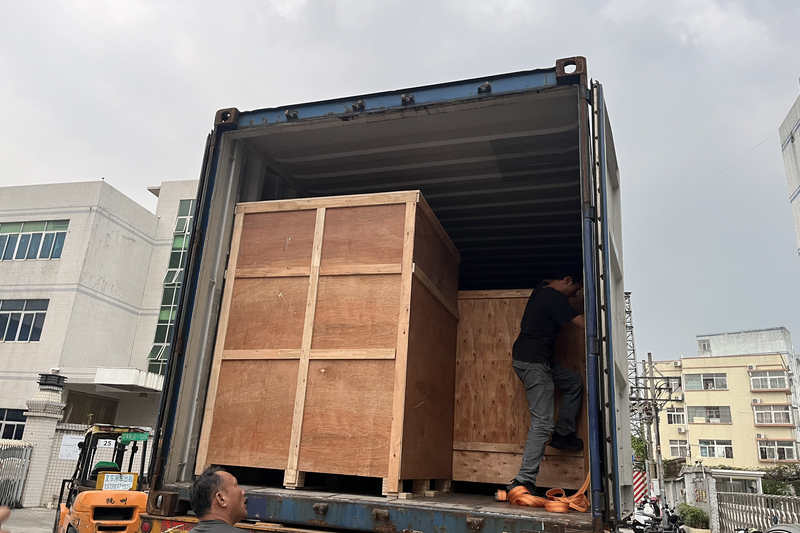
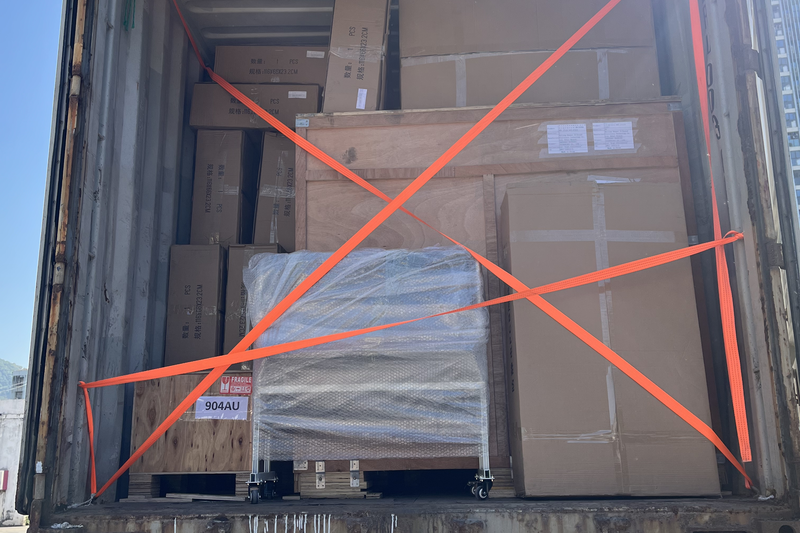
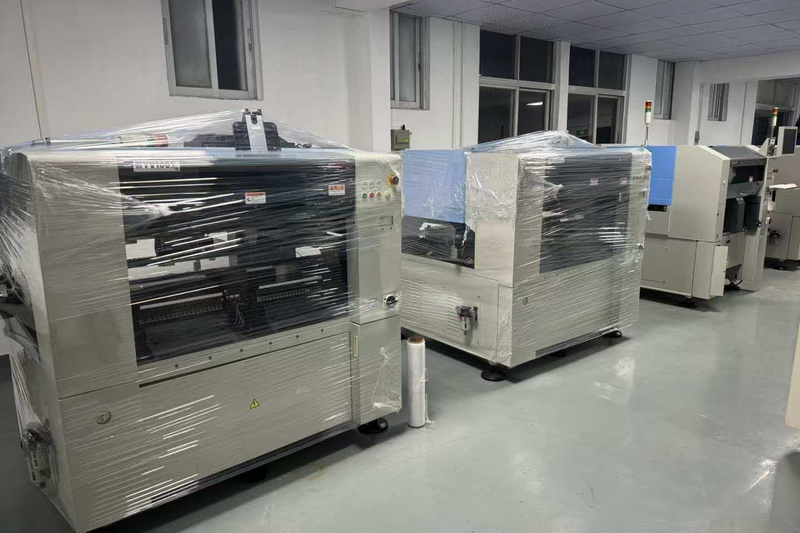
Export Packing and Container Loading
Agree how the loose presentation tooling and lens-specific fixtures will be supported and labelled. Put the lens family and panel identifier on the packing list to preserve the setup used for the demonstration.
These photos show general export preparation. Request dated protection and loading photos for the specific unit before dispatch.
Send Your FARoad CPM-F2T Production Requirement
Share the process, representative job and required evidence. Ask for the fitted configuration and a quotation that distinguishes the machine, tooling, services and delivery.