Eight-pair heating layout
1826 MK7
- Heated
- 2,760 mm
- Cooling
- 2 zones
- Boundary
- 4,650 mm cabinet length in the 2026 brochure
SMT equipment sourcing · inspection · packing · global delivery

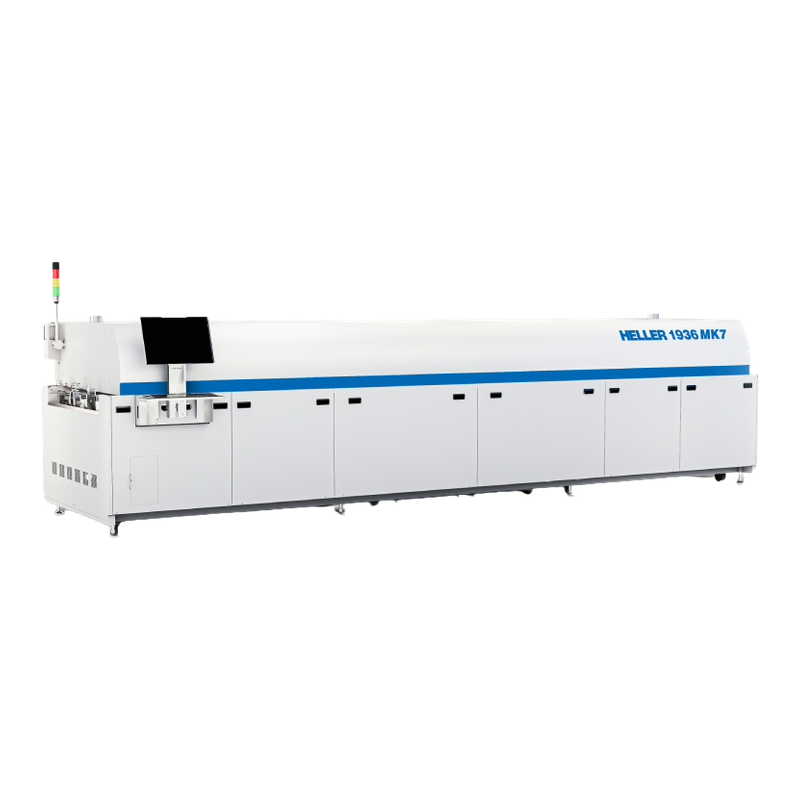
Heller MARK 7 is a convection reflow generation with lower-profile thermal modules and configurable cooling, atmosphere and residue management. The official 1936 MK7 image represents this family; it is not a photograph of every oven length or an offered used serial. Compare MARK 7 lengths around thermal dwell and board loading, not a generic maximum conveyor rate. The 2026 brochure governs this guide; dealer dimensions and older MARK 5 tables are not substituted.
Carry a supported populated board through controlled convection heating and cooling. Choose zone length, board spacing and atmosphere using a measured solder-paste process window. MARK 7 convection is distinct from Heller's vacuum processing systems. Select by the actual board envelope, optical configuration and installation space—not the suffix alone.
Eight-pair heating layout
Existing model consolidated; manufacturer model-page convention
Reference image; ten-pair layout
Thirteen-pair layout
1913 MK7 uses its separate manufacturer model page; the other columns retain the 2026 brochure. Heated-zone counting and cabinet revisions are not normalized across these sources. Figures describe standard model configurations, not stock or an offered unit. Dimensions are listed in the source order and exclude the tower light where stated. The existing 1936 MK7 reference illustration is not a photograph of 1913, 1826, 2043 or an offered used serial. Request nameplate, configuration and board-trial evidence before selection.
| 1936 mk7 heating and cooling | 10 heating-zone pairs, 3 cooling zones; 3,600 mm heated length in the 2026 brochure |
|---|---|
| 1936 mk7 footprint reference | 5,900 × 1,520 × 1,440 mm; allow service access and installed accessories separately |
| 1826 mk7 layout | 8 heating-zone pairs, 2 cooling zones; 2,760 mm heated length |
| 2043 mk7 layout | 13 heating-zone pairs; 3C and 4C cooling configurations remain distinct |
| Process-temperature reference | 350 °C standard maximum; 400 °C is a special option, not every delivered oven |
| Single-lane mesh board width | 50–560 mm standard; 610 mm is optional in the 2026 brochure |
| Conveyor-speed reference | 250–1,880 mm/min; a measured loaded-board profile determines usable speed |
1913 MK7 is included here instead of a separate model guide. Its manufacturer model page lists 13 heated zones, 3,560 mm heated length and three cooling zones. This is not the 2043 thirteen-pair configuration. Confirm the exact serial, zone-count convention, conveyor, gas and cooling before comparing older and current specifications.
The offer must identify MK7 nameplate, 1826/1936/2043 layout, cooling count, mesh/rail lanes, supports, nitrogen and residue-management package; Populated-board thermocouple trace, conveyor tracking, exit temperature, oxygen and gas-flow log where fitted, cleaning access and recipe recovery.
Heller MARK 7 Convection Series selection should begin with production requirements and evidence, not with a model name alone.
For a MARK 7 enquiry, provide board envelope, loaded mass, underside protrusions, paste process window and planned board spacing. Keep the 1826 eight-pair, 1936 ten-pair and 2043 thirteen-pair heating arrangements separate in the offer. Request a temperature trace on the thermally difficult populated assembly at the intended load. A maximum conveyor speed is not a guaranteed finished-board rate. Include the exit temperature and cooling slope so the chosen cabinet meets both soldering and downstream handling requirements.
Read the MK7 nameplate and installed module list before applying a brochure configuration. The 2043 family has separate three- and four-cooling-zone layouts, and the 610 mm single-lane width and 400 °C capability are options. Neither a family photograph nor a dealer table establishes them. If nitrogen operation is offered, retain flow, oxygen sampling location and calibration with the board trial. Inspect the flux collection, catalyst or cooling package actually present; do not treat a residue-management headline as proof of maintenance-free operation.
Identify the actual controller, HELLER365 package, licenses and recoverable recipes on the named oven. Virtual profiling and process monitoring can support control but do not replace a witnessed thermocouple trace on the assembly. Demonstrate transfer, rail support and an authorized restart, and record service access before accepting the line footprint. Heller China and an independent Shenzhen Chuancheng whole-machine catalogue establish exact-family enquiry paths only. Neither was contacted; availability, offered-unit condition, software rights and delivered accessories remain unverified.
Heller MARK 7 Convection Series should be evaluated against the buyer’s carry a supported populated board through controlled convection heating and cooling. choose zone length, board spacing and atmosphere using a measured solder-paste process window. mark 7 convection is distinct from heller's vacuum processing systems. The final application fit depends on the evidence for the specific unit.
These questions keep the quotation scope connected to the buyer’s real SMT process.
Heller MARK 7 Convection Series buyers should confirm this with actual-machine evidence before quotation.
Heller MARK 7 Convection Series buyers should confirm this with actual-machine evidence before quotation.
Heller MARK 7 Convection Series buyers should confirm this with actual-machine evidence before quotation.
Before shipment, review the relevant power-on, movement, operating state and visible condition for the specific offered unit.
Request a dated operating sequence of the offered Heller MARK 7 Convection Series. The model-image control requests evidence, not playback of a recorded video.
Request a unit-specific Heller MARK 7 Convection Series list for generation-correct conveyor supports and service items, blowers, heaters, seals, flux collectors, sensor references and authorized control backups. Availability is not claimed on this review page.
Provide target assembly, process requirements, 1936 mk7 heating and cooling, installed configuration and destination, required accessories and desired inspection evidence for the proposed Heller MARK 7 Convection Series.
Common questions for overseas buyers evaluating a Heller MARK 7 Convection Series.
Carry a supported populated board through controlled convection heating and cooling. Choose zone length, board spacing and atmosphere using a measured solder-paste process window. MARK 7 convection is distinct from Heller's vacuum processing systems. Compare MARK 7 lengths around thermal dwell and board loading, not a generic maximum conveyor rate. The 2026 brochure governs this guide; dealer dimensions and older MARK 5 tables are not substituted.
MK7 nameplate, 1826/1936/2043 layout, cooling count, mesh/rail lanes, supports, nitrogen and residue-management package. Request the exact nameplate and option list.
The Heller MARK 7 Convection Series illustration is model-reference imagery, not a dated stock photograph. Serial, location, condition, price and running evidence require separate confirmation.
The V3 scrolling proof gallery is retained. It describes LCSMT export preparation, not the condition of a particular Heller MARK 7 Convection Series unit.
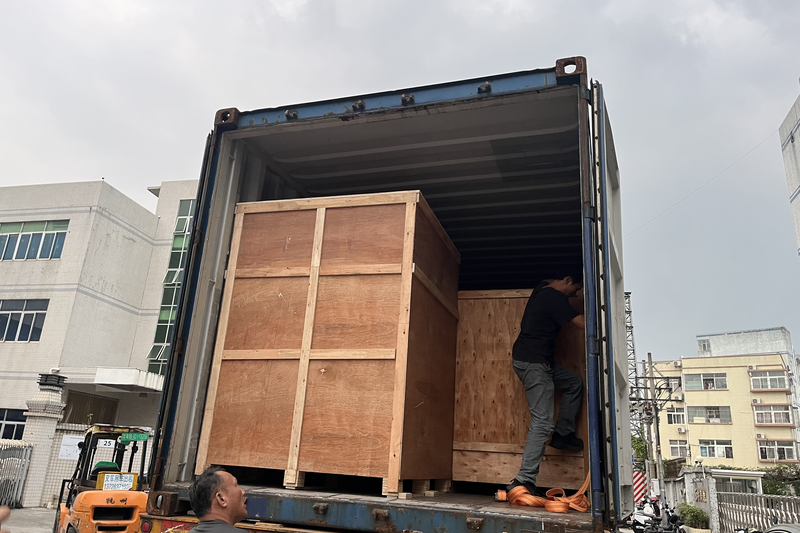
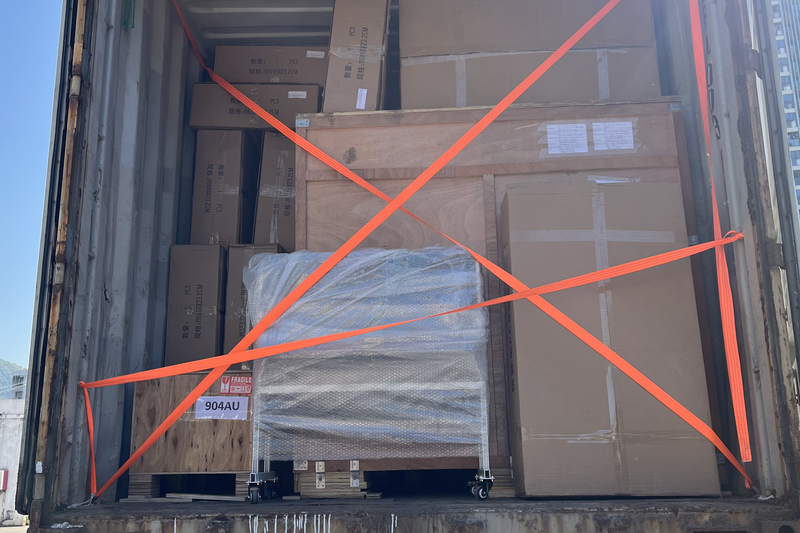
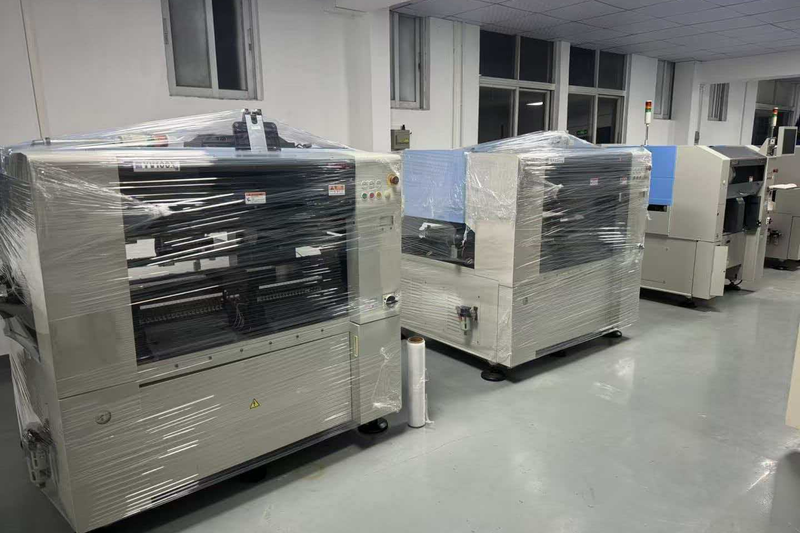
Share target assembly, process requirements, 1936 mk7 heating and cooling, installed configuration and destination and inspection expectations. LCSMT can review whether an actual Heller MARK 7 Convection Series configuration is a practical match.