
Home / JT Equipment / JT TRS Series
Model guide · unit evidence required
OverviewJT TRS Series Semiconductor Packaging Reflow Oven
The JT TRS Series is a semiconductor-packaging reflow range for joining dies and substrates; it is not merely a conventional PCB reflow suffix. Consider TRS for a documented package flow with representative carriers and thermal requirements. Do not infer a vacuum chamber from the separate TRV series.
Manufacturer-published model data
JT TRS Series Technical Specifications
| Process | Semiconductor packaging reflow |
|---|---|
| Source-described task | Reflow of printed solder on bump metal and chip/substrate joining |
| Application context | Advanced packaging, Mini/Micro-LED and SiP require application qualification |
| Numerical limits | No chamber, oxygen, temperature, speed or void limit is asserted from the retrieved current product page |
Manufacturer model data · Important: model-level figures and features are conditional manufacturer information, not guarantees for a particular used JT TRS Series unit.
Key Features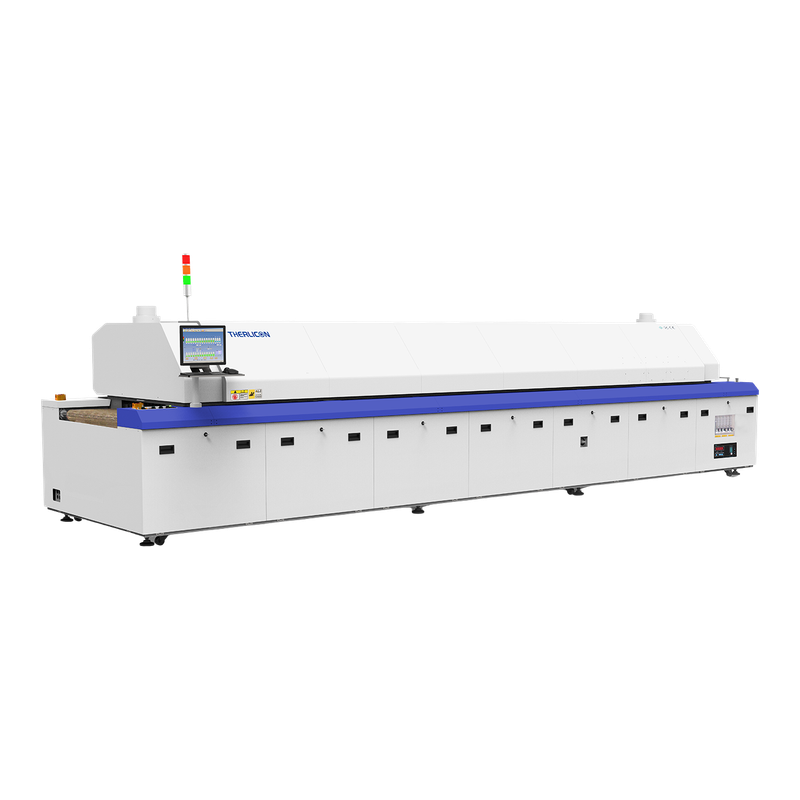
Configuration Must Be Verified
The offer must identify Exact TRS configuration, carrier handling, atmosphere controls and quoted thermal envelope; Package-specific temperature trace, joint evidence, carrier transfer and process documentation.
Buyer decision guide
When JT TRS Series Makes Sense — and When It May Not
JT TRS Series selection should begin with production requirements and evidence, not with a model name alone.
Application qualification
JT TRS Series Acceptance Plan
Define the packaging step precisely
For a TRS enquiry, identify whether the job is bump formation, flip-chip joining or a populated SiP reflow step. Provide alloy, substrate, carrier and the permitted thermal exposure. Ask for a configuration-specific process proposal. A semiconductor application list does not establish that one installed furnace handles every wafer size, package geometry or atmosphere.
Do not transfer vacuum claims
Separate TRS packaging reflow from JT’s TRV vacuum-assisted range in the quotation. Identify atmosphere controls and process monitoring on the actual offered unit. Request representative temperature records and joint-quality evidence using the agreed package. No residual-oxygen value, void percentage or thermal ceiling is supplied here without a source for the quoted configuration.
Retain package and carrier traceability
Label the test lot and carrier revision before the demonstration. Record transfers, dwell and cooling alongside the package measurements, then include a controlled restart sequence agreed with the process owner. Review contamination control and service access as procurement questions, not as certified cleanliness claims. Keep the exact TRS variant and support obligations in the purchase specification.
Typical Applications
Typical Applications for JT TRS Series
JT TRS Series should be evaluated against the buyer’s reflow of solder on bump metal and chip-to-substrate assemblies, including source-described packaging and sip process contexts. The final application fit depends on the evidence for the specific unit.
Before quotation
Three JT TRS Series Buyer Questions
These questions keep the quotation scope connected to the buyer’s real SMT process.
1
Which process requirement must the proposed JT TRS Series demonstrate?
JT TRS Series buyers should confirm this with actual-machine evidence before quotation.
2
What is included in this JT TRS Series offer: exact trs configuration, carrier handling, atmosphere controls and quoted thermal envelope?
JT TRS Series buyers should confirm this with actual-machine evidence before quotation.
3
Can the JT TRS Series acceptance run document package-specific temperature trace, joint evidence, carrier transfer and process documentation?
JT TRS Series buyers should confirm this with actual-machine evidence before quotation.
Running video confirmation
JT TRS Series Running Video Review
Before shipment, review the relevant power-on, movement, operating state and visible condition for the specific offered unit.
Request an operating sequence of the offered JT TRS Series. This model-image control requests evidence; it does not play a recorded video.
- Power-on and visible operating-state confirmation
- Reflow of solder on bump metal and chip-to-substrate assemblies, including source-described packaging and SiP process contexts.
- Unit-specific condition evidence before export packing
Used-machine inspection
Inspection and Export Preparation for an Actual JT TRS Series
- Nameplate and configurationModel, serial, year, voltage and installed options.
- Machine configurationMechanical, transport, sensing, camera, software and motion condition relevant to the quoted JT TRS Series.
- Transport and softwareConveyor, sensors, program and line-interface evidence where applicable.
- Running and packing proofPower-on evidence, visible operation and export packing records.
Spare Parts
JT TRS Series Spare Parts Scope
Request a unit-specific JT TRS Series list for carrier tooling, heaters, atmosphere-control service items, transport parts and thermal sensors. Availability is not claimed on this review page.
Quotation checklist
Provide target assembly, process requirements, process, installed configuration and destination, required accessories and desired inspection evidence for the proposed JT TRS Series.
FAQ
Common questions for overseas buyers evaluating a JT TRS Series.
01Application
Which production task suits JT TRS Series?
Reflow of solder on bump metal and chip-to-substrate assemblies, including source-described packaging and SiP process contexts. Consider TRS for a documented package flow with representative carriers and thermal requirements. Do not infer a vacuum chamber from the separate TRV series.
02Configuration
What should a buyer confirm for JT TRS Series?
Exact TRS configuration, carrier handling, atmosphere controls and quoted thermal envelope. Request the exact nameplate and option list.
03Unit evidence
Does this JT TRS Series illustration prove stock?
The JT TRS Series illustration is model-reference imagery, not a dated stock photograph. Serial, location, condition, price and running evidence require separate confirmation.
Export packing proof
Export Packing and Container Loading
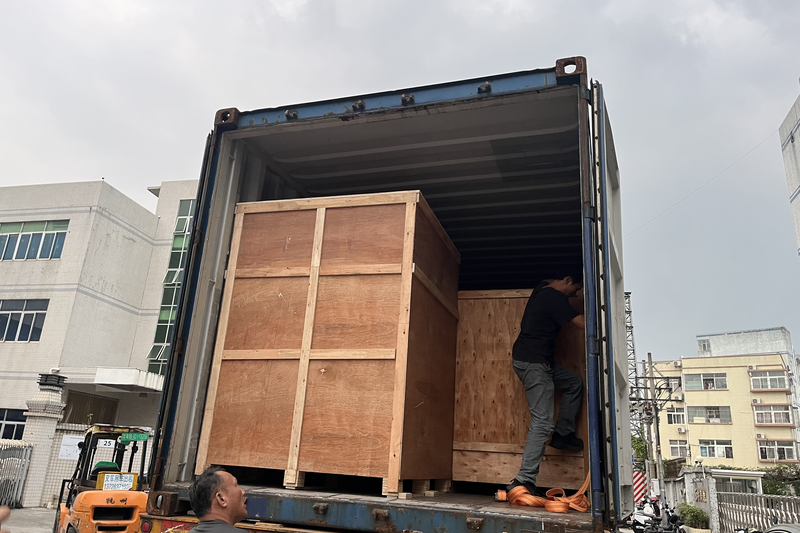
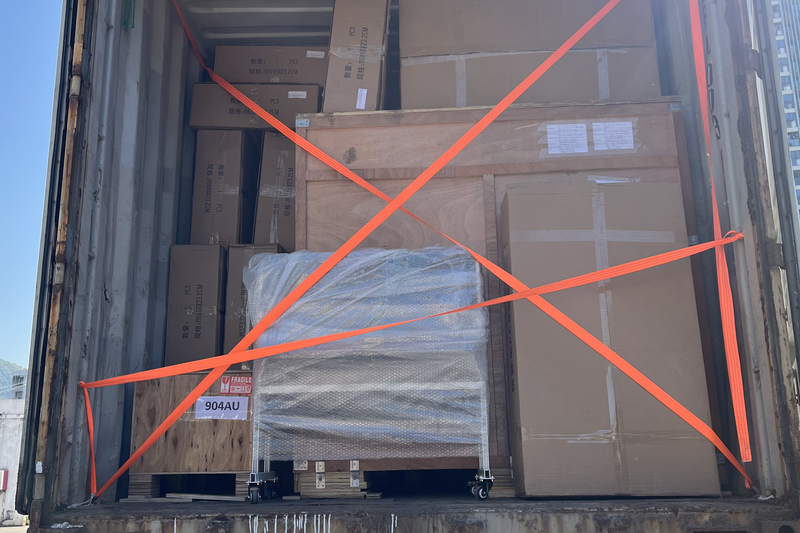
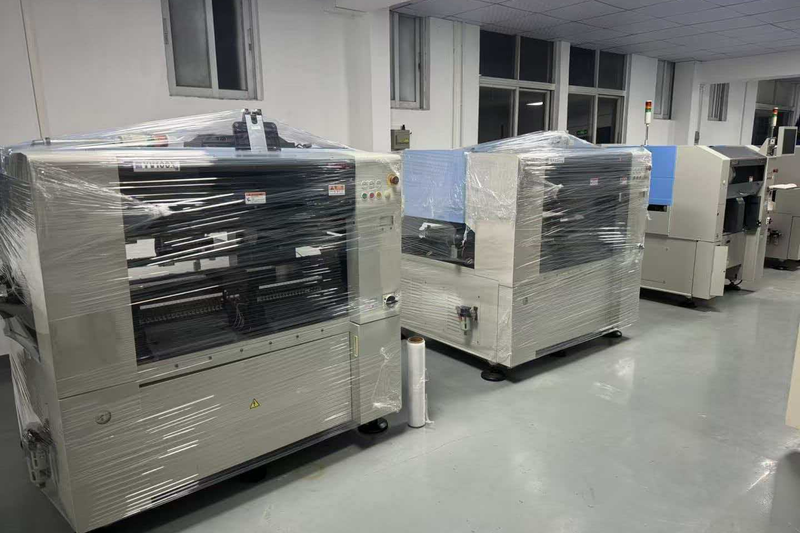
The V3 scrolling proof gallery is retained. It describes LCSMT export preparation, not the condition of a particular JT TRS Series unit.
Send Your JT TRS Series Production Requirement
Share target assembly, process requirements, process, installed configuration and destination and inspection expectations. LCSMT can review whether an actual JT TRS Series configuration is a practical match.