Micro solder deposits
Meister S
- Task
- True 3D micro-solder inspection
SMT equipment sourcing · inspection · packing · global delivery

The Koh-Young Meister S Series inspects micro solder deposits in semiconductor and Mini/Micro-LED packaging; S+ adds transparent-flux inspection. Select S for micro-solder measurement and verify S+ if transparent flux is required. Neither model substitutes for die-placement AOI.
Measuring small printed solder deposits and, with the appropriate S+ optics, transparent flux before the packaging process continues. Select by the actual board envelope, optical configuration and installation space—not the suffix alone.
Micro solder deposits
Additional material task
Manufacturer model descriptions checked 4 October 2026; limits and options stay assigned to their stated version. Figures describe standard model configurations, not stock or an offered unit. Dimensions are listed in the source order and exclude the tower light where stated. The representative meister-s image does not prove another version or the condition of an offered unit. Request nameplate, configuration and board-trial evidence before selection.
| Published z resolution | 0.1 micrometre |
|---|---|
| Thin-solder reference | Manufacturer describes deposits down to 20 micrometres; application trial required |
| Warpage method | 3D Z-tracking with 2D pad referencing |
| S+ distinction | Proprietary optics for transparent-flux inspection |
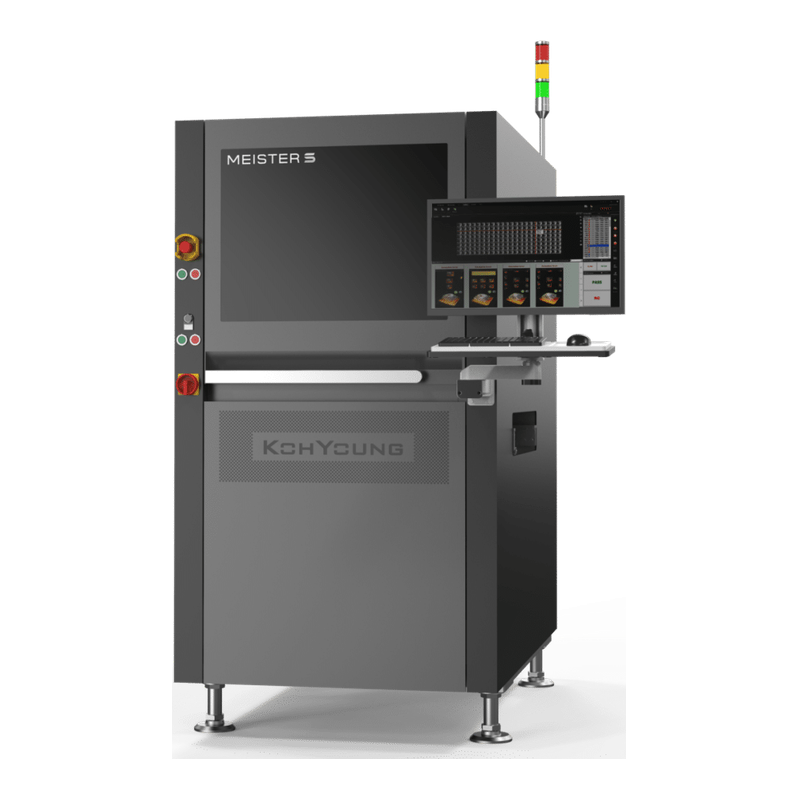
The offer must identify Exact S/S+ optics, substrate handling, calibration and software permissions; Reference deposits and flux samples, measurement repeatability and warped-substrate test.
Koh-Young Meister S Series selection should begin with production requirements and evidence, not with a model name alone.
For a Meister S qualification, provide the pad design, deposited material and independent height or volume reference. Include the smallest deposit and a representative bowed substrate. Agree measurement tolerance and repeatability before the demonstration. The quoted Z resolution describes the sensing system; it is not a promise of the same accuracy on every material.
An S+ offer should identify the special optics and show bare pads alongside flux-covered pads using the same recipe. Ask how low coverage, excess coverage and contamination are labelled. Do not accept a conventional solder-paste image as evidence that transparent flux was measured, or transfer a D+ reflective-die claim to the S+ configuration.
Request the pad-referencing method, calibration history and a repeat scan before and after the sample lot. Review rejected deposits with the original measurement data, not only a coloured overview. For a used Meister S, establish which software and calibration support will transfer with the unit and which services need a separate agreement.
Koh-Young Meister S Series should be evaluated against the buyer’s measuring small printed solder deposits and, with the appropriate s+ optics, transparent flux before the packaging process continues. The final application fit depends on the evidence for the specific unit.
These questions keep the quotation scope connected to the buyer’s real SMT process.
Koh-Young Meister S Series buyers should confirm this with actual-machine evidence before quotation.
Koh-Young Meister S Series buyers should confirm this with actual-machine evidence before quotation.
Koh-Young Meister S Series buyers should confirm this with actual-machine evidence before quotation.
Before shipment, review the relevant power-on, movement, operating state and visible condition for the specific offered unit.
Request an operating sequence of the offered Koh-Young Meister S Series. This model-image control requests evidence; it does not play a recorded video.
Request a unit-specific Koh-Young Meister S Series list for calibration artefacts, optical modules, carrier tooling, transport parts and analysis software. Availability is not claimed on this review page.
Provide target assembly, process requirements, published z resolution, installed configuration and destination, required accessories and desired inspection evidence for the proposed Koh-Young Meister S Series.
Common questions for overseas buyers evaluating a Koh-Young Meister S Series.
Measuring small printed solder deposits and, with the appropriate S+ optics, transparent flux before the packaging process continues. Select S for micro-solder measurement and verify S+ if transparent flux is required. Neither model substitutes for die-placement AOI.
Exact S/S+ optics, substrate handling, calibration and software permissions. Request the exact nameplate and option list.
The Koh-Young Meister S Series illustration is model-reference imagery, not a dated stock photograph. Serial, location, condition, price and running evidence require separate confirmation.
The V3 scrolling proof gallery is retained. It describes LCSMT export preparation, not the condition of a particular Koh-Young Meister S Series unit.
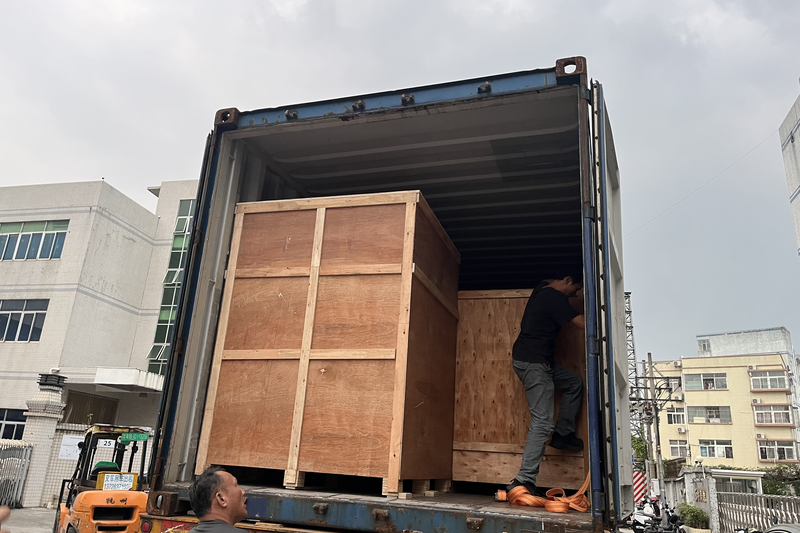
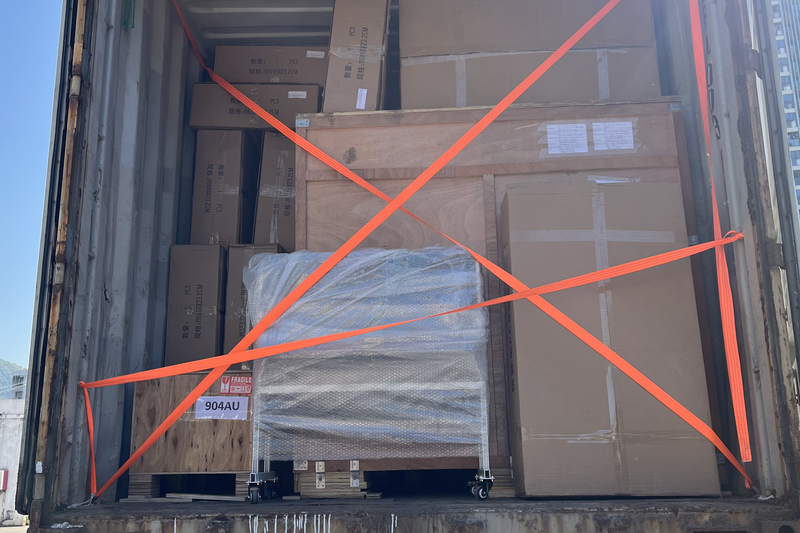
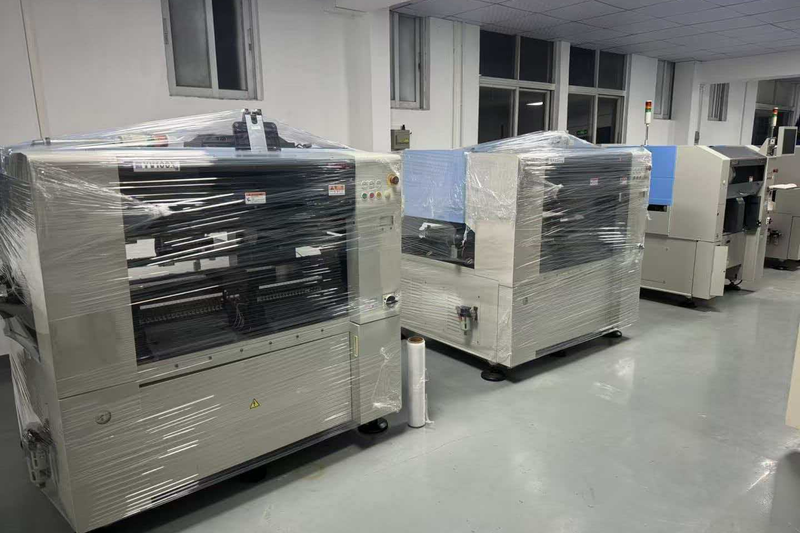
Share target assembly, process requirements, published z resolution, installed configuration and destination and inspection expectations. LCSMT can review whether an actual Koh-Young Meister S Series configuration is a practical match.