
Buyer decision 1
Define the transaction, not just the robot route
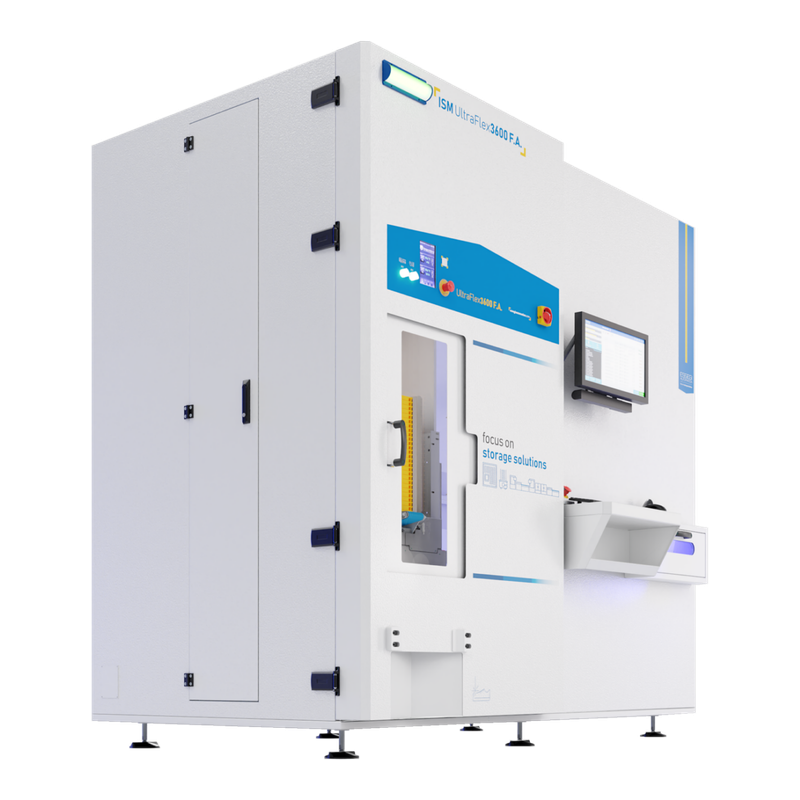
An automated warehouse and a mobile robot can each work correctly while their shared material transaction fails. The practical buying question is whether one request produces the intended physical delivery and a matching inventory state. JUKI describes ISM3600F.A. with a front AMR connection; that model feature is not proof of integration with your particular robot, fleet software or inventory database. Identify the included equipment and the responsible integration party before comparing a cabinet quotation.
Buyer decision 2
Agree the owner of each state
Write a handoff record that includes request identity, expected material, assigned transport, readiness, physical transfer and completion acknowledgement. Ask which controller owns each state and what happens when acknowledgement is lost. Keep the proposed interface documentation with the offer. If two systems can both declare completion independently, ask how conflicts are resolved. Do not assume that a commercial software license, message interface or fleet controller is included just because an AMR appears in a demonstration.
Buyer decision 3
Select a representative transport batch
Choose case formats and material identities that expose the difficult handling conditions. The manufacturer describes batch retrieval and different case heights, but maximum storage and maximum batch figures answer different questions. Have the supplier demonstrate the agreed batch at the actual front interface. Observe identification before release and reconciliation after delivery; include the destination’s receipt record. Establish success criteria with the process owner rather than inventing a universal docking tolerance or cycle-time threshold.
Buyer decision 4
Witness a controlled incomplete transfer
With the integrator’s approved safe procedure, include an unavailable destination, a cancelled task and a controlled interrupted transfer. Ask where the material is physically located, which inventory location is authoritative and who can restart the task. Retain the recovery evidence and any operator intervention. Never create a hazardous stop simply to obtain a video. Robot safety, protective functions and motion limits require the responsible integrator’s validation; a short delivery clip is not a safety assessment.
Buyer decision 5
Measure the complete service time
Record waiting for release, travel, docking, material exchange, confirmation and return readiness. Compare this with the line’s actual replenishment demand. A fast travel segment does not remove queueing or a slow receipt process. Also inspect the proposed floor layout, access for service and the installed environmental equipment. Cabinet-only dimensions cannot establish the full working envelope of a transport system. Keep accepted timing conditions and the demonstrated batch definition together.
Buyer decision 6
Make interface gaps visible in the offer
A useful evidence pack contains configuration and software identification, transaction records, normal and recovery sequences, reconciliation results and clearly assigned support ownership. Common mistakes are to buy by maximum reel count, treat a pictured robot as included, or ignore restart behavior. The acceptance result applies to the tested interface versions and material population. Reassess after a software, robot, destination or case-format change. Unresolved integration work belongs in the purchase scope rather than a promised capability.
Technical Sources
Manufacturer context and limits
Checked 4 October 2026. Published model facts support the examples; the acceptance framework is buyer guidance, not claimed LCSMT field-test evidence.