
Buyer decision 1
Start with the stock you need to control
The buying problem is not whether a cabinet can move a reel. It is whether the proposed configuration can locate, retrieve and reconcile the materials your factory actually handles. A nominal capacity can hide restrictions on reel diameter, width and case arrangement. Begin with a representative material list rather than a drawing of an empty warehouse. Include partial reels, returned material and the identifiers needed to separate lots of the same part.
Buyer decision 2
Convert the headline into a case plan
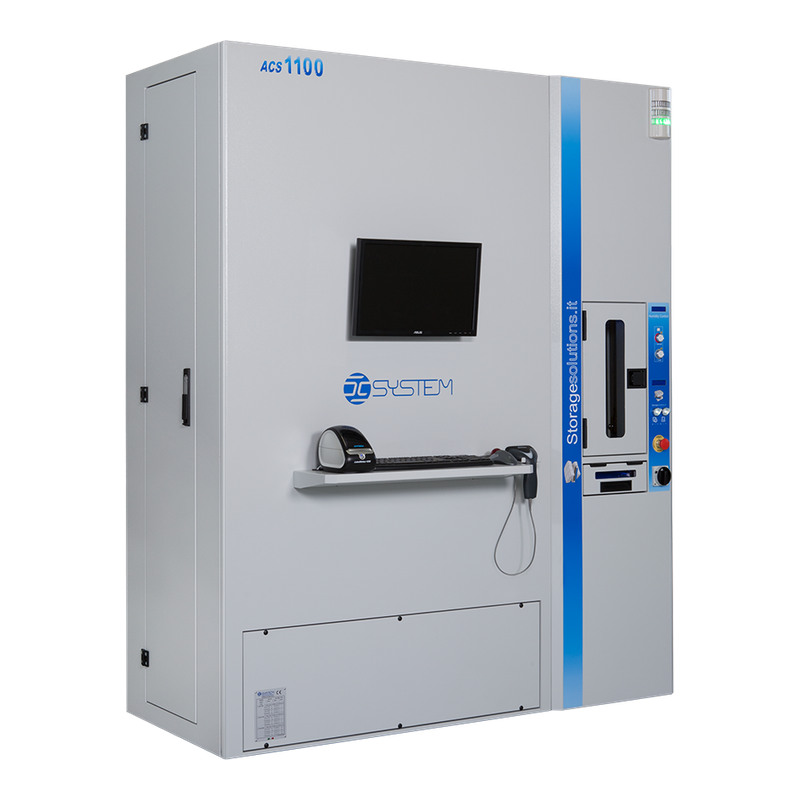
JUKI describes ISM1100 as a seven-inch storage system with capacity dependent on the case arrangement. Ask the supplier for a proposed case list matched to your material sample, and state which items cannot be accommodated. Reserve space for the real mix, not an assumed all-thin-reel population. Keep the model name, catalogue revision and installed cabinet together in the evidence pack: older distributor dimensions are not interchangeable with the current manufacturer specification. Larger storage does not automatically solve an incompatible package or an untracked return.
Buyer decision 3
Follow a reel through receive, pick and return
Create a witnessed test list with part number, lot, reel identity and remaining quantity. Receive it, request a job, retrieve the materials and return the unused balance. Compare the physical reels with the resulting records at every handoff. Ask which system owns the authoritative quantity and how a rejected scan is corrected. A correct pick is only half the test; if a return changes a lot identifier or silently creates a second stock record, the next production job can still receive the wrong material.
Buyer decision 4
Include the inconvenient cases
Request a cancelled retrieval, a duplicated label, a reel that does not match the expected case and a controlled restart using the supplier’s safe test procedure. Keep the discrepancy and recovery log rather than presenting a perfect demonstration as representative. Agree who can correct inventory and whether changes are traceable. This framework does not assume that every listed function exists in every software edition: the purpose is to ask for installed-function evidence and record any gap before accepting the offer.
Buyer decision 5
Separate humidity control from material disposition
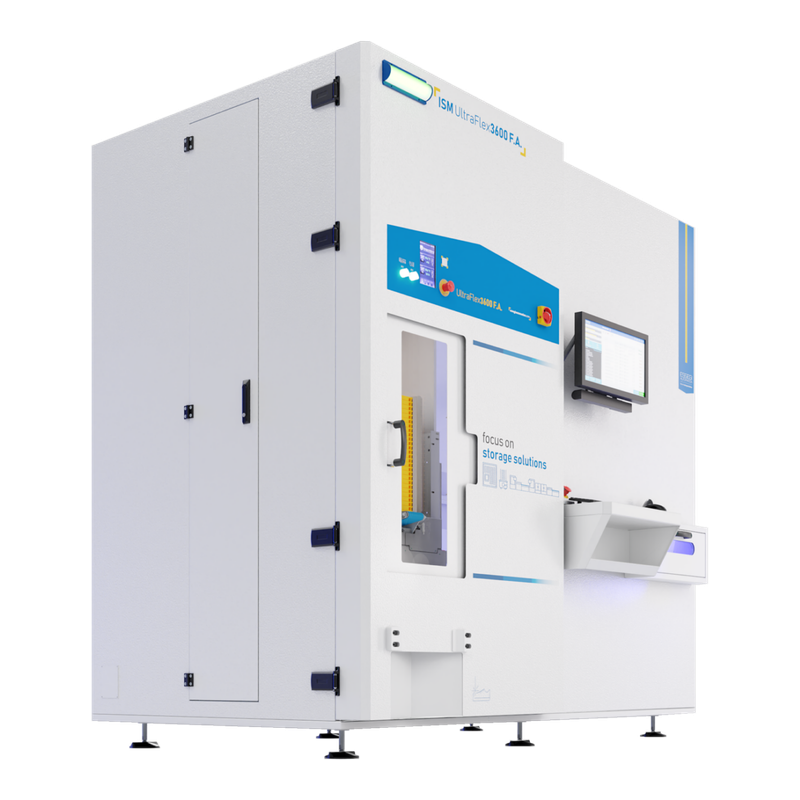
If the offer includes humidity control, identify the installed module and request calibrated logs under a representative loading and door-opening pattern. Set requirements using the component manufacturer’s handling instructions and the factory quality plan. A low-humidity claim does not establish every package’s floor life, drying history or suitability for reuse. Record who authorizes material release after an excursion and where that decision is stored. Do not replace a traceable material procedure with a cabinet label.
Buyer decision 6
Write a useful acceptance boundary
The final comparison should contain a case plan, a successful receive/pick/return record, observed exceptions, software and interface scope, and environmental evidence where required. Common shortcuts are to quote maximum storage as usable mixed capacity, demonstrate only one retrieval, or assume integration is included. A sample proves the tested material and setup, not every reel or future software change. Request a machine-specific operating sequence and record unresolved items as purchase conditions, not as features that have already passed.
Technical Sources
Manufacturer context and limits
Checked 4 October 2026. Published model facts support the examples; the acceptance framework is buyer guidance, not claimed LCSMT field-test evidence.