
Dual-lane planning
Separate storage positions from output lanes
Draw the desired output topology and label the product assigned to each lane. Ask whether two magazines extend staging for one output or serve two outputs. The manufacturer DST reference describes selectable single- and dual-lane duties; the precise offered arrangement still needs a drawing and option list. The images in this article show published loading and sorting context, not the DST chassis or proof of its installed configuration.
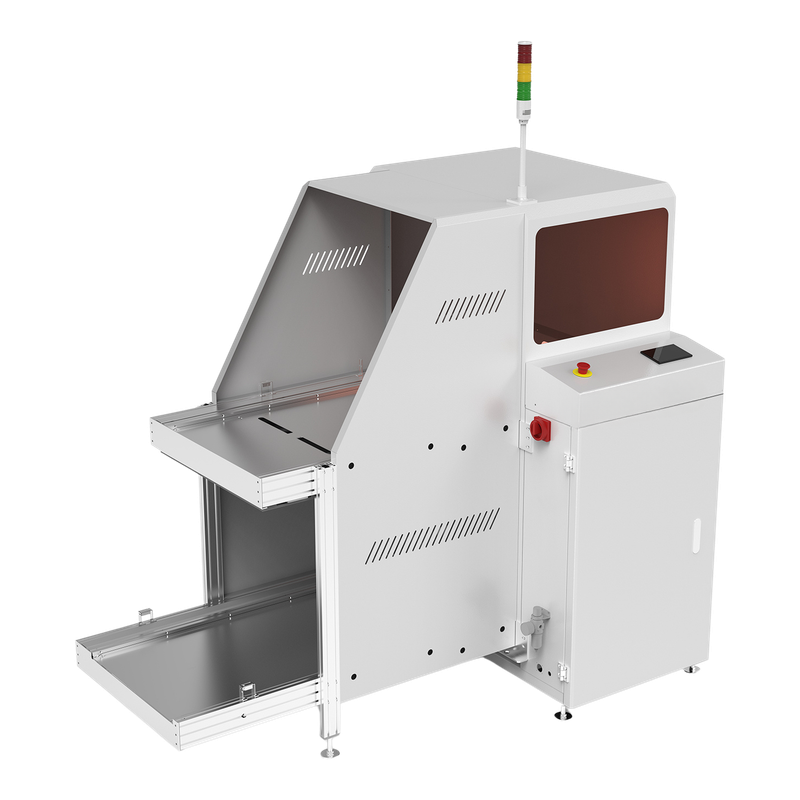
Dual-lane planning
Include unequal demand and one paused lane
Agree a test in which the two lanes request boards at different intervals. Pause one receiving lane through the normal interface while the other continues its intended demand. Observe request order, retained boards and magazine depletion. Then restore the paused lane using the supported procedure. Record both board identifiers and lane assignments. A symmetric demonstration with equal products and timing may conceal the constraint that matters to your factory.
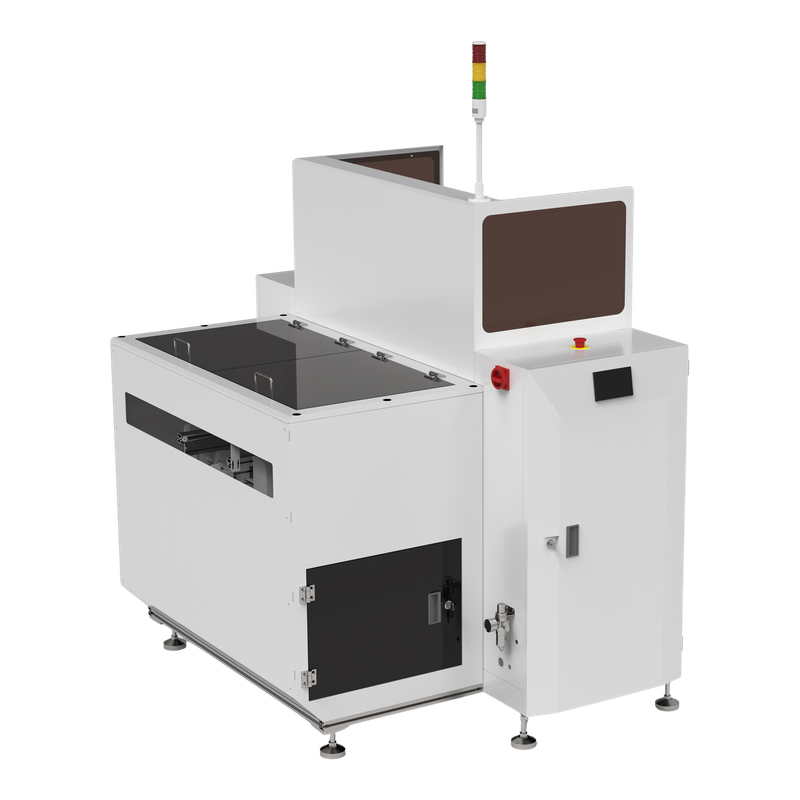
Dual-lane planning
Specify product mixes and the acceptance sequence
Submit the two board drawings, magazine dimensions, required lane behavior and expected demand range together. Ask the supplier to state which functions are standard and which are configured options. Treat a combined maximum rate as a different claim from a rate guaranteed for each lane. Confirm the witnessed arrangement in the quotation and retain the actual-unit identity; the catalogue is a design reference, not current inventory.
Technical Sources
Reference functions and configuration boundaries
The manufacturer references below support the equipment examples. The purchasing questions are an editorial decision framework, not measured LCSMT results or a machine-specific acceptance limit.