
Loading evidence
Identify the edge the pusher will touch
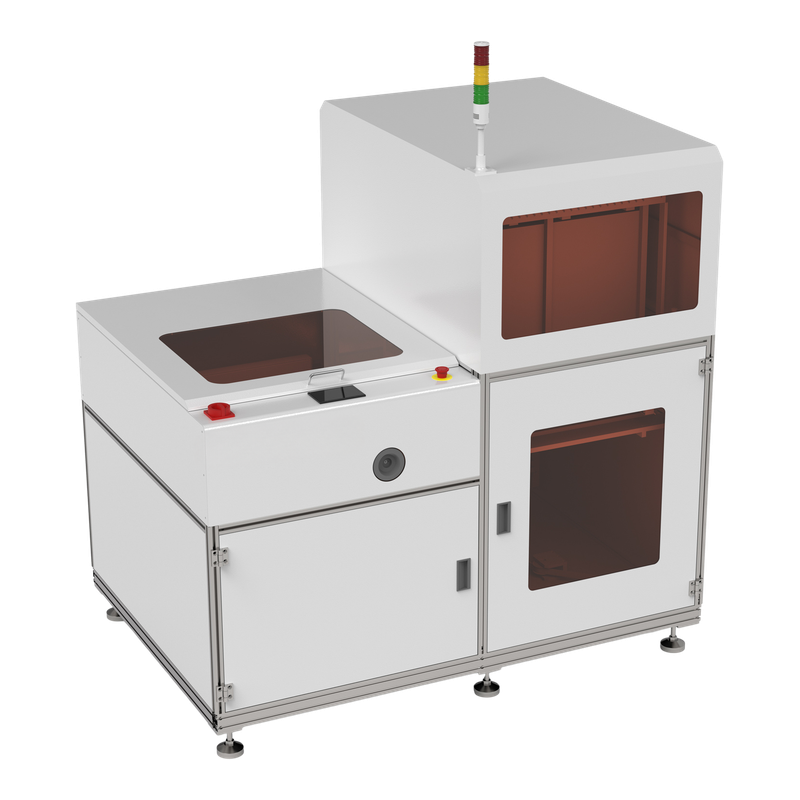
Mark the allowed pusher-contact area on the released board drawing. Include connectors, cutouts, tabs and any restrictions imposed by the assembly process. Ask the supplier to identify the contact point and adjustment range for the offered mechanism. A board-width rating cannot resolve a notch located exactly where the pusher is intended to act. Compare loading and unloading contact requirements separately.
Loading evidence
Check location repeatability across carriers
Use several permitted magazines, not only the carrier selected for a demonstration. Compare locating faces, grooves, wear and the occupied slot pattern. Reinsert the magazines through the normal operator sequence and observe whether alignment remains consistent. A careful one-time adjustment can conceal variation between carriers. Record the magazine identity and dimensions alongside the machine settings and trial board revision.
Loading evidence
Include first, last and deliberately empty slots
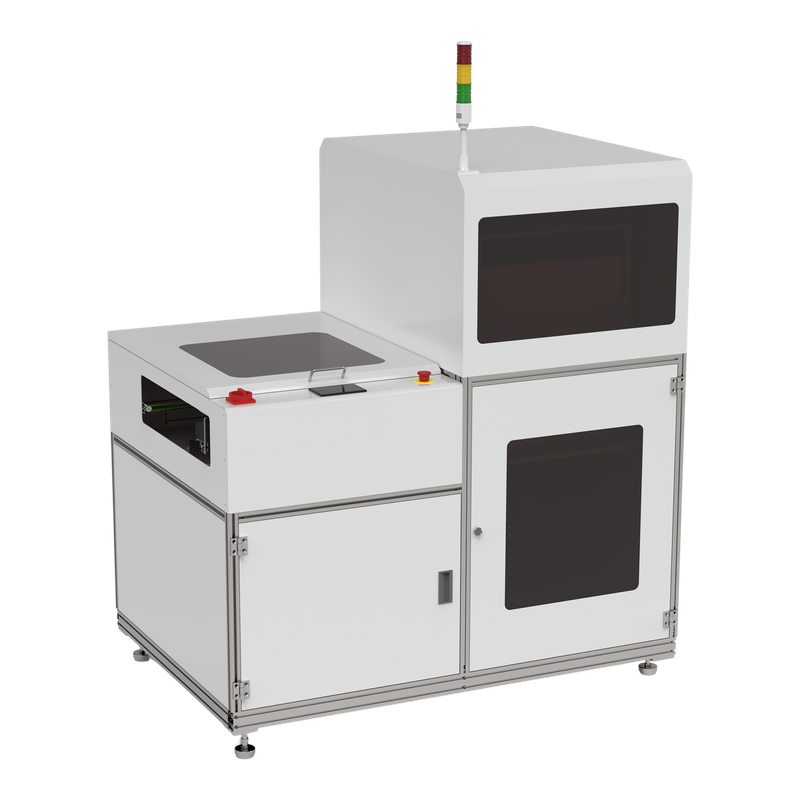
Run the first and last permitted occupied positions and an ordinary empty-slot pattern. Observe how the machine detects or handles the agreed loading arrangement. Include the shortest allowed board where contact timing differs. Photograph the relevant board edges before and after the trial. Request the documented explanation for any missed feed or retry rather than treating a restart as proof that the original sequence passed.
Loading evidence
Keep adjustment and condition separate
Record which adjustments were needed and whether they remain accessible in normal use. On a used machine, request close photographs of the pusher, guides and carrier locating parts. A reference model image does not establish their wear or replacement history. Agree the accepted board and magazine set in the purchase documents; future outline changes may require another contact and alignment review.
Technical Sources
Reference functions and configuration boundaries
The manufacturer references below support the equipment examples. The purchasing questions are an editorial decision framework, not measured LCSMT results or a machine-specific acceptance limit.