
Output handling
Define what counts as a full carrier
Specify the usable occupied slots for the actual populated assembly and the expected loading pattern. A nominal magazine slot count may differ from the allowed positions. Ask the supplier how the unloader recognizes its final permitted slot and an incorrectly located carrier. Single- and multi-magazine configurations handle staging differently; neither should be assumed to accept an unlimited stream from the upstream process.
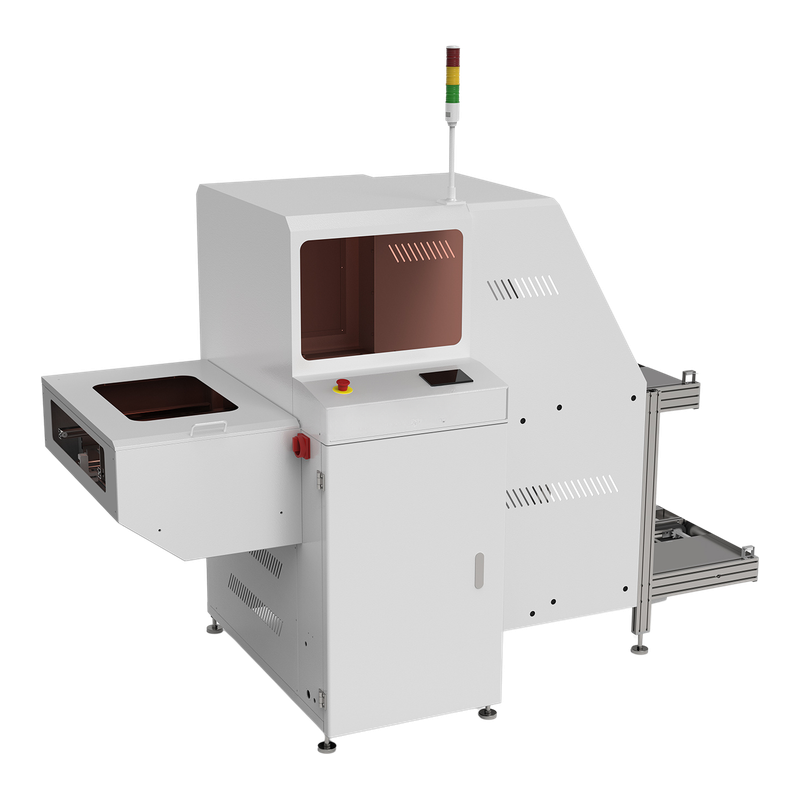
Output handling
Identify the last safe waiting position
Request the documented sequence when the output carrier is full or unavailable. Mark where an approaching board is retained and how upstream transfer permission is controlled. Do not infer the response from a cabinet photo or a generic interface label. Include any intermediate transfer segment in the capacity accounting. The buyer should know which mechanism owns the board at every boundary in the sequence.
Output handling
Witness replacement and ordinary restart
Use the approved commissioning sequence to reach the last permitted occupied position, then replace the carrier through the normal operator procedure. Observe board identity, slot assignment and the first transfer after restart. Include a partially occupied carrier only if that is a supported production use. Record delays and operator actions rather than reporting only the mechanism exchange time.
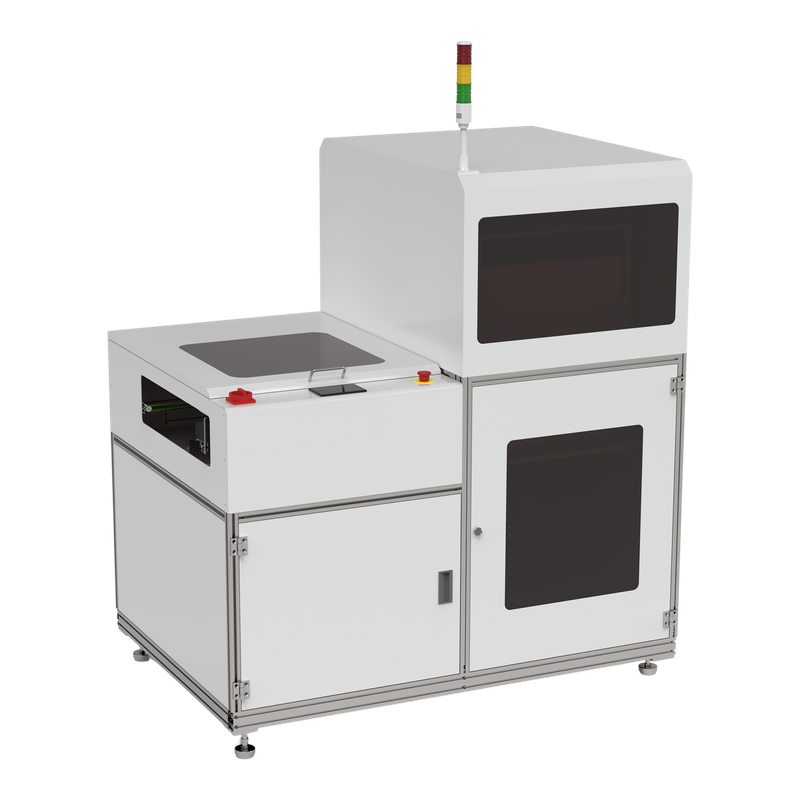
Output handling
Retain the full-state rule with the line instructions
Document alarms, operator responsibility and the supported recovery steps. A cleared indication should agree with the actual material state before transfer resumes. Keep the identified trial carrier and assembly revision in the acceptance record. On a used unit, separately inspect guides, sensors and locating parts. Successful steady-state unloading does not prove the full-output boundary was handled correctly.
Technical Sources
Reference functions and configuration boundaries
The manufacturer references below support the equipment examples. The purchasing questions are an editorial decision framework, not measured LCSMT results or a machine-specific acceptance limit.