
Retrofit decisions
Start with the physical reference side
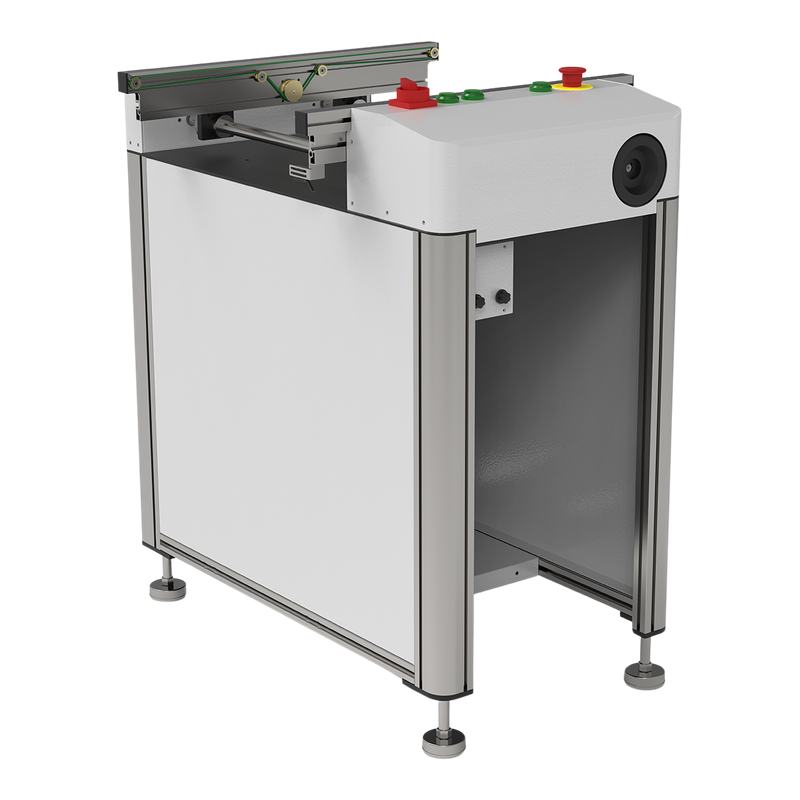
Draw the receiving and sending machines in plan view. Identify their fixed rails, operator sides and transfer heights. A conveyor turned around may place its controls on the wrong side or misalign the fixed rail. The linking and wave-infeed references serve different purposes, so a direction field should be read with the complete mechanism. Request the proposed installed orientation before asking whether a motor can reverse.
Retrofit decisions
Ask for documented controller support
Request the manufacturer-supported direction settings and the correct wiring or software revision for the proposed configuration. Sensors positioned for the original entry sequence may need a documented change. Confirm which connector becomes the upstream interface and which becomes downstream. A short demonstration of reversed belt motion does not prove board detection, permission to transfer or stopped-board recovery. Avoid undocumented rewiring offered as an easy conversion.
Retrofit decisions
Test handoffs in the intended installation
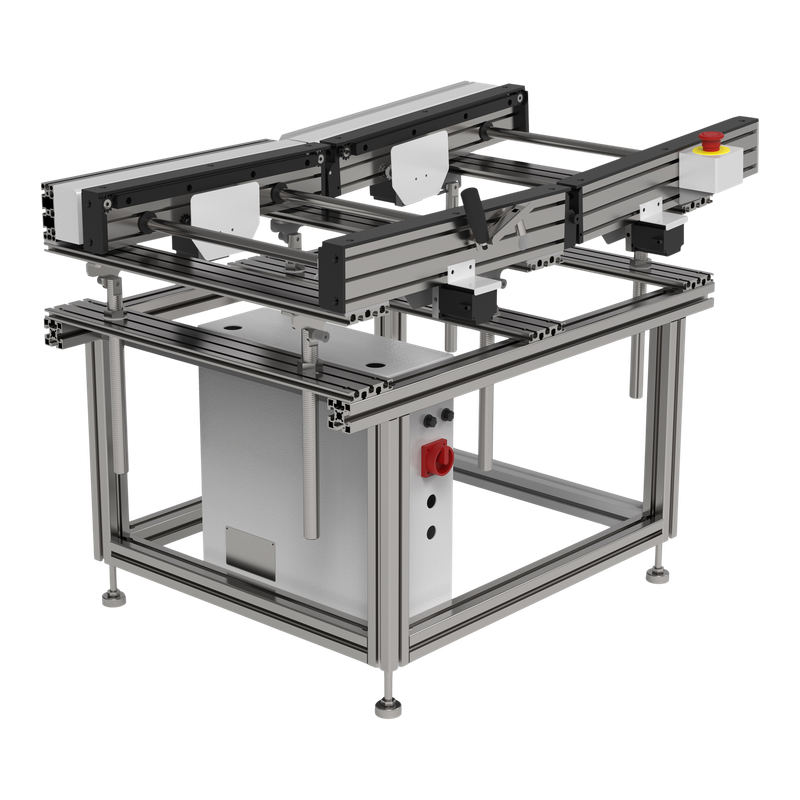
Use the actual fixed-rail reference and representative board sizes. Demonstrate receipt from the upstream machine, transfer to an available destination and a pause when the destination cannot receive. Keep any fault or recovery trial within the supplier-approved procedure. Record the board identifier and the controller state visible in the recording. A standalone bench test cannot resolve a receiving machine whose rail or signal convention differs.
Retrofit decisions
Compare conversion with a correctly configured unit
Ask for a written scope covering sensors, wiring, settings, drawings and commissioning. Compare this cost and uncertainty with obtaining a conveyor already built for the required direction. Retain the original nameplate and serial identity after a conversion. Acceptance applies to the tested orientation and interfaces; it does not imply the machine remains freely reversible in every later line layout.
Technical Sources
Reference functions and configuration boundaries
The manufacturer references below support the equipment examples. The purchasing questions are an editorial decision framework, not measured LCSMT results or a machine-specific acceptance limit.