
RFQ preparation
Record outside and inside geometry separately
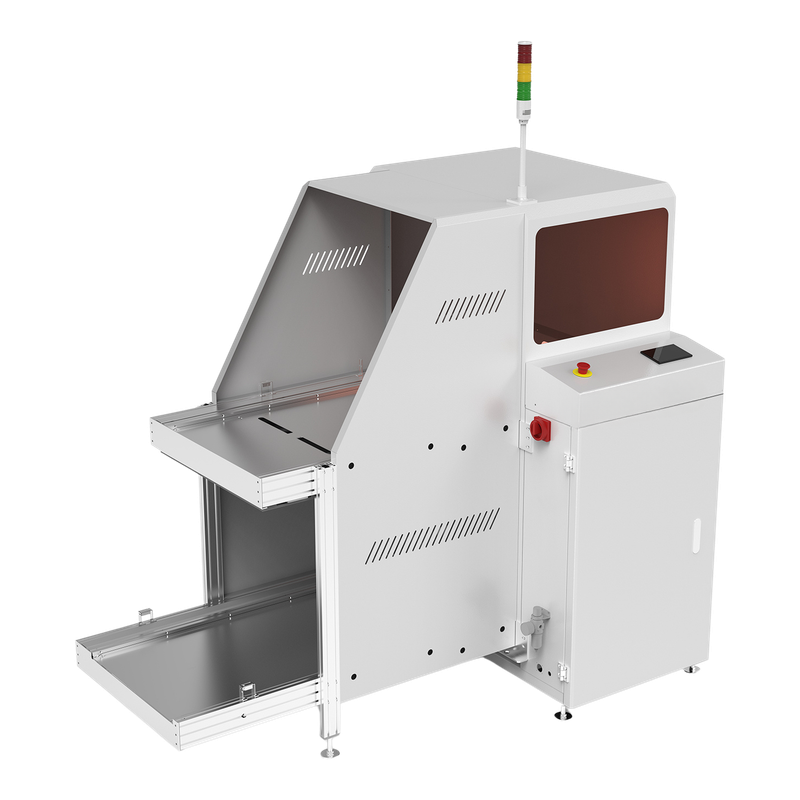
Photograph the magazine and supply its external dimensions, usable internal width, groove arrangement and locating surfaces. Name the manufacturer or drawing revision where available. Outside dimensions establish cabinet fit but do not prove board support or pusher alignment. Include the adjustment arrangement if the magazine width changes. A supplier-described compatible magazine family is a starting point, not a substitute for your actual carrier drawing.
RFQ preparation
Describe how the assembly occupies the carrier
List populated slots and component envelopes above and below the board. Mark the edge contacted during loading and unloading. Include the shortest board and the assembly with the most difficult underside clearance. Keep these measurements together with the magazine information. A board-size limit taken from a loader table does not independently establish clearance when the neighboring slot also holds an assembly.
RFQ preparation
Provide a small identified carrier set
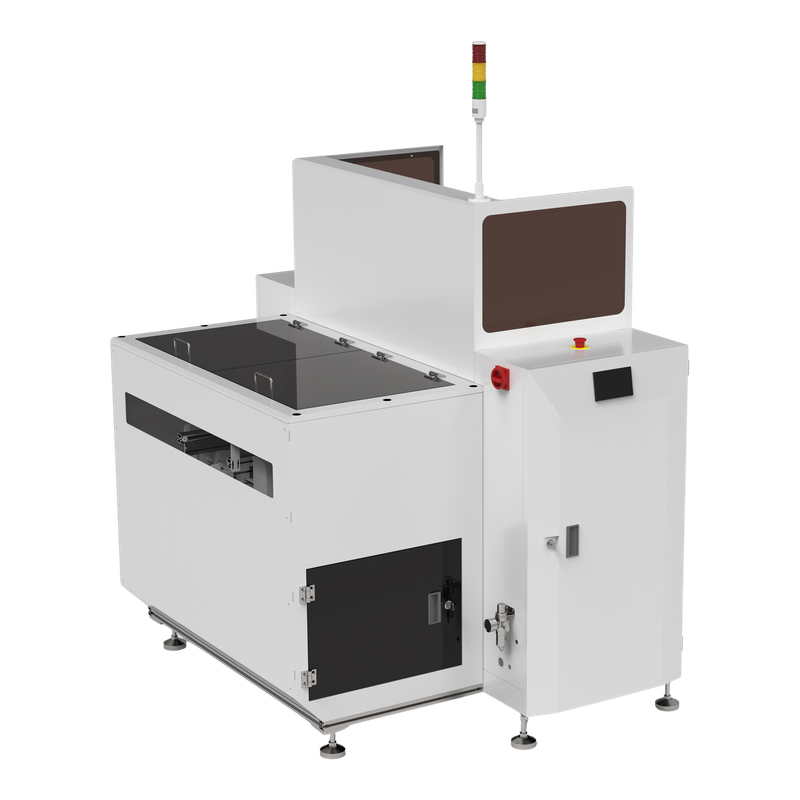
Send representative permitted carriers, including ordinary wear variation if buying a used production arrangement. Ask for a witnessed insertion, location, feeding and depletion sequence. Record carrier identity and settings. A carefully prepared demonstration magazine may fit while the rest of the factory fleet does not. Request written exceptions for any carrier that needs a different setting or cannot be accepted.
RFQ preparation
Make the supported combination explicit
Require the quotation to name the accepted magazine format, board range, occupied-slot rule and necessary options. Keep physical compatibility separate from sorting policy or inspection-result handling. Archive drawings and trial evidence with the exact offered machine serial. This reusable RFQ pack makes supplier comparisons clearer without claiming that every model image or nominal cabinet size proves application fit.
Technical Sources
Reference functions and configuration boundaries
The manufacturer references below support the equipment examples. The purchasing questions are an editorial decision framework, not measured LCSMT results or a machine-specific acceptance limit.