
Cooling acceptance
Define the receiving operation first
State whether the next operation is manual handling, inspection, loading into a magazine or another process. Obtain the permitted handling condition from that process owner rather than inventing a universal temperature limit. Identify the measurement location on the actual assembly. A surface near a heatsink may behave differently from an exposed board edge. The acceptance question is whether the board meets the next operation requirement at handoff.
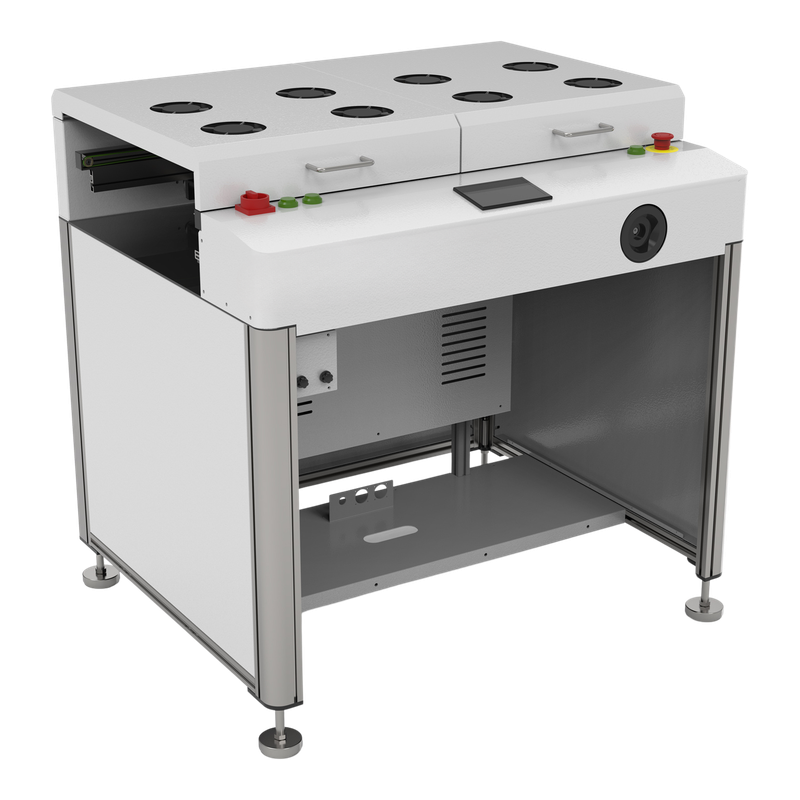
Cooling acceptance
Connect dwell to the transport sequence
Draw the cooling path and identify continuous motion, waiting positions and any bypass. Calculate a preliminary dwell estimate from the effective path and the intended motion sequence. Then verify it with identified boards, because downstream pauses can change the exposure. A nominal fan option or cabinet length cannot establish the final board temperature. Do not borrow a reflow-oven cooling claim for a separate conveyor.
Cooling acceptance
Use a repeatable assembly and loading pattern
Agree suitable instruments and a measurement procedure with the process engineer. Use the relevant thermal mass and component population, then repeat the normal loading pattern until operation is representative. Record ambient conditions, fan configuration and where each reading was taken. A single cold-start board is weak evidence for sustained operation. Retain the measurement record with the board revision and conveyor settings.
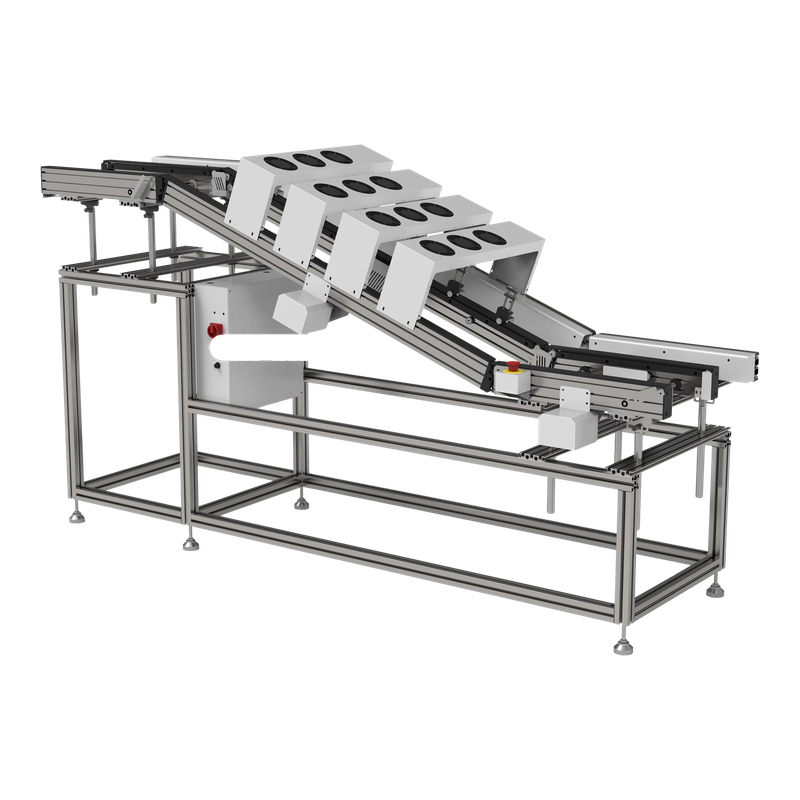
Cooling acceptance
Distinguish capacity from thermal qualification
If the board misses the agreed condition, investigate airflow, dwell, loading and the upstream process before assuming another fan solves the problem. Confirm changes through another measured trial. Cooling qualification belongs to the tested assembly and operating conditions; it does not create a general handling guarantee for every board. Request fan and filter condition evidence separately when evaluating a used machine.
Technical Sources
Reference functions and configuration boundaries
The manufacturer references below support the equipment examples. The purchasing questions are an editorial decision framework, not measured LCSMT results or a machine-specific acceptance limit.
Vanstron · Cooling conveyor family
Vanstron · Unloading Conveyor for Wave Soldering Machine Line ( THT Line)