
A short parts description can hide different offers
Two quotes headed ball spline may cover different things: a shaft, a spline nut, a matched assembly or additional mounting components. Before comparing the price, ask each supplier to describe the actual supplied contents. A catalogue family name is too broad to settle that question.
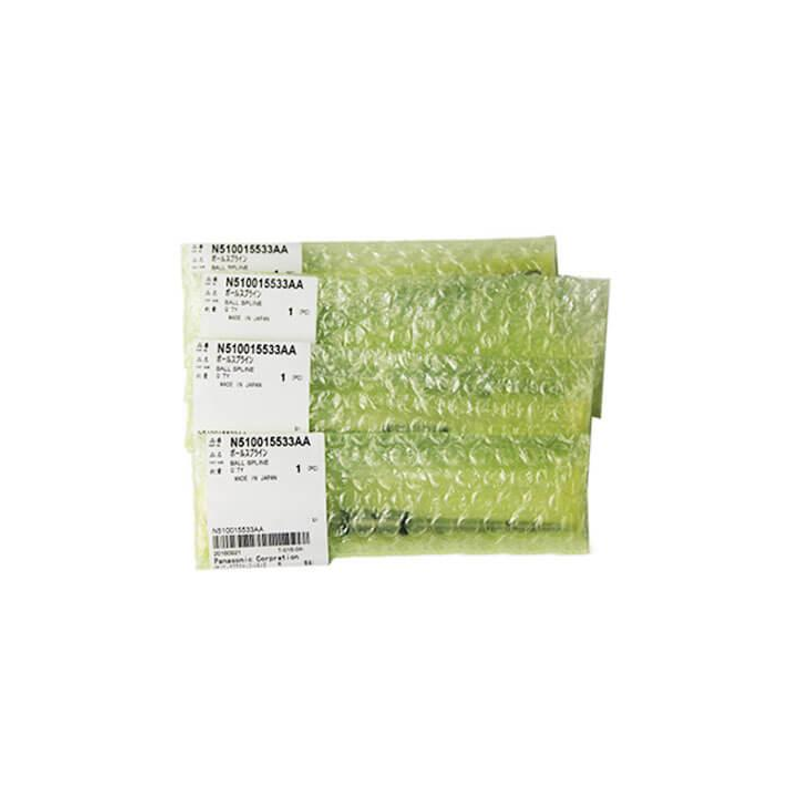
Use the installed machine documents and complete ordering identity as the starting point. Photograph the available assembly and labels during authorised service. If the only available picture shows a package, retain that limitation rather than guessing what is inside.
Why clearance cannot be selected by appearance
THK explains that ball-spline preload and rotational clearance influence accuracy and rigidity. This makes the applicable fit requirement relevant to a replacement decision. It does not establish a universal grade for an SMT head or a grade for the Panasonic reference on this page.
A shaft that looks similar in a photograph may leave the drawing, mounting and specified fit unresolved. Ask for evidence that addresses those requirements; do not use a hand-feel comparison as a substitute for the applicable acceptance method.
Build a four-part comparison
- Ordering identity: retain the complete assembly code, available revision and machine/head context.
- Supplied scope: list the shaft, nut and any separate mounting or accessory components included. Ask what is excluded.
- Matching evidence: obtain the relevant dimensions, interfaces and specified clearance or preload requirement from the applicable documentation.
- Acceptance: agree which actual-item checks support a match, who makes the decision and what happens if the item does not meet the agreed scope.
Keep an unresolved field visible in the comparison. An attractive price does not close a missing assembly or fit requirement.
Separate scope changes from approved alternatives
A complete assembly may involve a different service scope from replacing one component. Ask the responsible technical team whether a component-only repair is permitted and how its result will be assessed. Do not combine a shaft and nut from different offers merely because their nominal description seems close.
For an alternative code, request the documented relationship to the installed item. A seller describing two references as suitable for CM402 or CM602 does not settle every head version, mounting arrangement or assembly boundary.
Use the package label for what it can show
The N510015533AA CM402 reference has a labelled-package photograph. It is useful for discussing an ordering reference, but the wrapping conceals the components and working surfaces. Request a correctly identified actual-item view and the agreed matching evidence before accepting an offer.
Keep handling and lubrication instructions with the actual replacement. This article specifies no disassembly method, grease, preload setting or dimensional tolerance. Do not dismantle the nut to obtain comparison photographs without the applicable procedure.
Send a scoped enquiry rather than a guessed grade
An enquiry should state the installed code and machine context, the required supplied scope and which matching fields remain unresolved. Ask for a proposed complete identity and supporting documents. This gives the supplier a concrete question to answer without turning an unknown into an assumed specification.
Use the shaft and holder category for related mechanisms, keeping their distinct functions and identities separate. When ready, send the requirements through the parts enquiry form; availability, condition and fit require confirmation for the actual item.
Technical sources and catalogue examples
THK explains why rotational clearance and preload affect ball-spline behaviour. That general design context does not identify THK as the maker of the Panasonic reference shown here, assign its fit grade or approve a replacement.