
A board can leave the machine with its useful context missing
A service request may contain a board and an alarm description while omitting the installed revision, machine identity or actions already taken. The recipient then has to reconstruct which assembly was removed and what the machine actually did. A visually similar replacement can create another uncertainty if its configuration or supplied work is left implicit.
This guide proposes a records handoff for machine owners and service teams. It is not a live-board troubleshooting, cleaning or firmware procedure. Use the applicable equipment instructions and qualified personnel for physical intervention. The goal here is to preserve useful evidence before service and connect the returned item to a documented decision.
Keep an observation separate from a diagnosed assembly fault
Record the machine's original alarm or observed symptom without rewriting it as a confirmed CPU or amplifier failure. Add the date, relevant machine/job context and actions already completed. If the diagnosis is incomplete, say so. A replacement purchase can be a response to production pressure while the original cause remains unresolved.
JUKI's service information describes assessing machine condition before selecting maintenance methods. That is manufacturer support context, not a diagnosis of the boards shown here or a promise of LCSMT repair capability. The machine owner still needs an applicable procedure and a responsible reviewer for this particular service decision.
Build a handoff that can be checked when the item returns
Identify the assembly: retain the machine and board codes, readable revision/configuration labels and installation position. Distinguish the installed label from a supplier catalogue name.
Retain the reported behavior: preserve the original alarm wording and relevant available records, plus what changed before the event and which actions were actually completed.
Assign configuration responsibility: ask the authorized service team what records the applicable procedure permits or requires preserving. Record who owns recovery and verification; this article provides no universal backup tool or settings.
Define return evidence: agree which exact item is to be returned, what work and test scope will be reported, and which machine-level checks remain before return to use.
Use assembly roles to avoid a vague electronics request
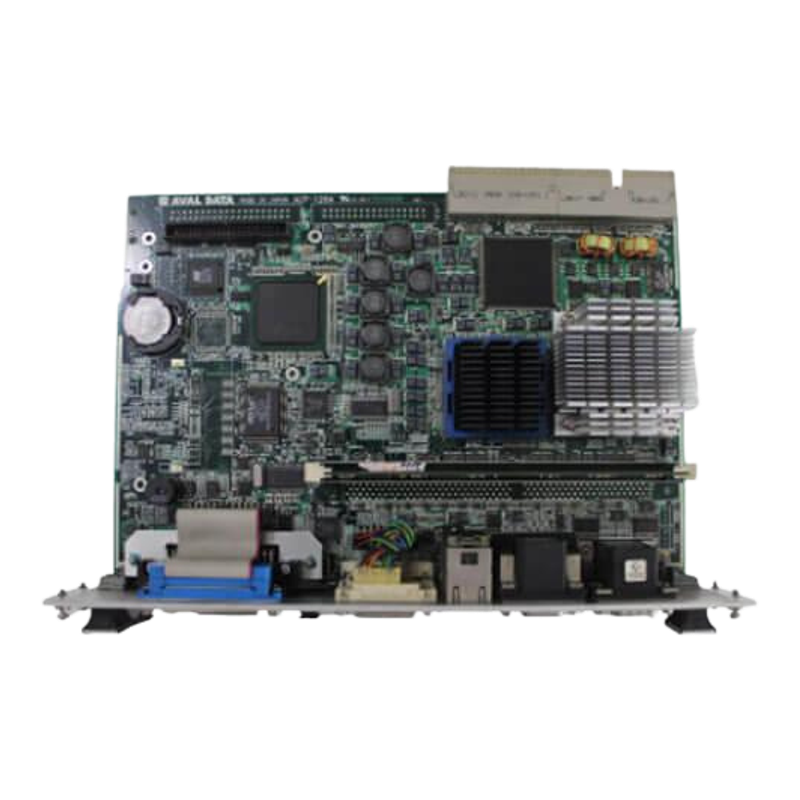
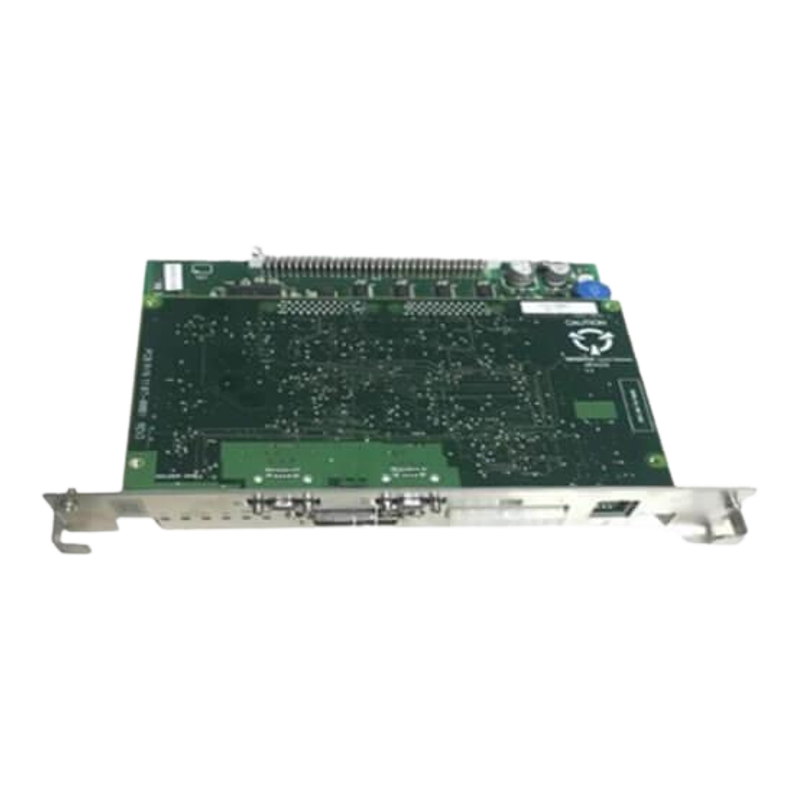
The retained JUKI CPU-board draft distinguishes 40044475 / ACP128J from a separately listed ACP125J reference. The 40062552 AMP-board draft describes a different assembly role. A request that only says KE2050 board loses distinctions already visible in the source material.
Before the item is handed over, reconcile the service paperwork with readable photographs and the machine records. Ask the recipient to preserve the identification of the actual item serviced and disclose a substituted assembly or revision. An unreadable label should remain an open issue, with a named next check; it should not be replaced by a guessed catalogue number.
Ask which protective packaging and handling instructions apply to this assembly, and document the agreed handover condition. Photographs can help record that condition and the supplied items, but do not establish electrical performance or prove what happened during transport. Do not use an attractive stock photo in place of the actual handover evidence.
Do not close the job with a test label that has no scope
A report saying tested needs a definition: which board, what setup, which functions and what documented result? A bench check and a machine-level acceptance decision answer different questions. Record the limits instead of treating either phrase as a universal certificate.
Likewise, cleaned does not mean calibrated, and repaired does not establish that every original function has been verified. Do not copy a cleaning fluid, battery procedure or parameter sequence from another platform into this record. Maintain the original fault context even if a replacement appears to restore operation; the evidence should show what was established and what remained uncertain.
Make the returned-item decision traceable
When the item returns, compare its actual identity and declared work with the agreed service scope. Have the responsible team record the applicable recommissioning checks and the result, including unresolved limitations. Keep the service evidence linked to the same machine and assembly record rather than starting a disconnected new ticket.
This workflow cannot certify a board, define safe electrical work or approve a firmware image remotely. If the choice shifts from service to a purchase, use the repair, replacement and exchange quotation comparison. Other bounded equipment and parts guidance is available through SMT Classroom.
Technical sources and catalogue examples
OEM maintenance-history context and supplier identification examples have different scopes; neither establishes an offered unit's condition.
JUKI: service assessment and maintenance support