
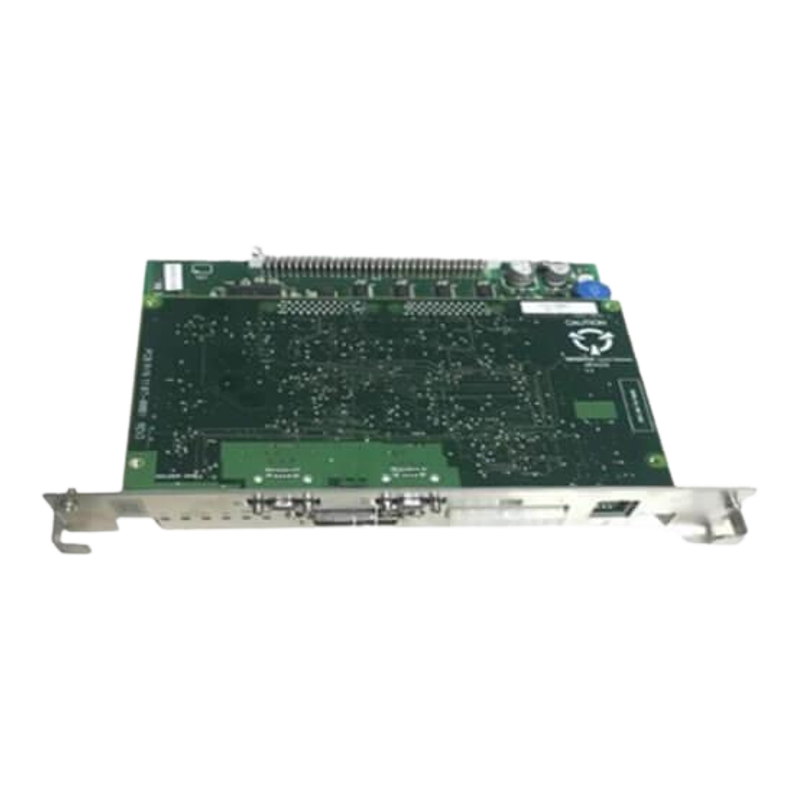
Three offers can use the same board name but cover different work
A buyer may receive an offer to repair the original board, buy a replacement or exchange the original for another assembly. These are possible options to ask about, not services confirmed as available here. Comparing only their prices can hide different responsibilities for diagnosis, configuration, testing and the returned item.
Begin with the required assembly and a shared acceptance question. What exact item and documented result will the machine owner receive, and what still needs to happen before the machine can return to use? This makes the comparison useful even when the original fault is not fully resolved.
Separate the assembly identity from the commercial service route
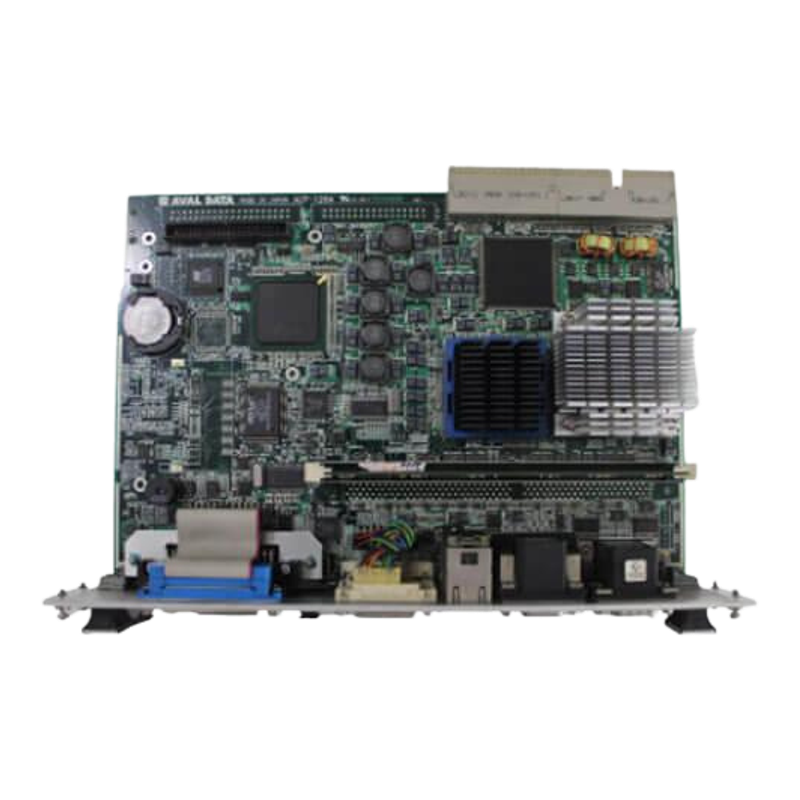
JUKI 40062552 is described as an AMP board in the retained catalogue. The same source set separately describes 40044475 / ACP128J as a CPU board. They should not be merged into an unspecified KE2050 electronics quote. Even a correctly identified board leaves other questions open: actual revision, supplied condition, configuration and the scope of any claimed test.
Repair usually means work on the submitted item as agreed with the service provider. A replacement offer concerns another supplied item. An exchange proposal also needs a clear agreement about the original item and return obligations. Ask each provider to define its own terms; this guide does not assume their availability, turnaround, warranty or technical capability.
Use an acceptance matrix instead of a price-only comparison
| Field | Repair enquiry | Replacement or exchange enquiry |
|---|---|---|
| Item identity | Which submitted assembly/revision will be returned? | Which exact assembly/revision is offered, and what changes are proposed? |
| Work scope | What diagnosis and repair work are included? | What condition, configuration and preparation are included? |
| Evidence | What work record and test scope are supplied for this item? | What offered-item labels, condition record and test scope are supplied? |
| Remaining responsibility | What installation/configuration checks stay with the machine owner? | Who handles documented configuration and machine-level acceptance? |
| Commercial boundaries | What happens if the fault is not found or the repair cannot be completed? | What are the acceptance, return and original-item obligations? |
Keep an unanswered cell visible. A low price with an unresolved assembly or configuration cannot yet be treated as the cheaper equivalent. Neither can a higher price be assumed to include the missing work without written terms.
Apply the matrix to the actual board requirement
For the 40062552 amplifier-board reference, ask the responsible service team whether that assembly is the diagnosed requirement and which revision information matters. For the ACP128J CPU-board reference, make configuration and any software/licensing scope explicit rather than inferring it from a circuit-board photograph.
A useful enquiry can retain the installed code and revision, machine identity, original fault description and the available records. Ask the provider to state the exact offered or returned item, included work, test setup/functions, remaining machine-level checks and acceptance/return terms. Record a proposed substitute as a proposed change, with the documentation still needed to approve it.
JUKI's service overview describes machine-condition assessment as part of choosing maintenance methods. It does not approve these catalogue assemblies, confirm a service exchange or make a generic board test sufficient for an installed machine. Use the applicable machine documentation and the responsible review to resolve those questions.
Avoid evidence that belongs to a different item or a different task
A catalogue image, an example repair report and a general bench demonstration are different evidence roles. Ask whether the record belongs to the actual board being supplied or returned. A powered image without a defined test scope should not be described as full machine acceptance.
Do not erase a revision difference to make quotations appear comparable. Do not carry a provider's general machine-sales warranty into a specific board order unless its terms actually apply. Do not assume the original item can be discarded when an exchange is only being discussed. Keep every agreed obligation with the quotation and acceptance record.
Choose the route after the unresolved work is visible
The appropriate option depends on the diagnosed requirement, the offered evidence and the actual terms. This guide supplies no universal cheapest route, lead time, warranty or expected repair success rate. It also does not establish interchangeability among the catalogue references.
For a service-driven purchase, retain the board fault and revision handoff so the selected offer stays connected to the original problem. Use SMT Classroom for other evidence-bounded buying questions. Approval of a particular replacement still requires the applicable machine documents and a responsible acceptance decision.
Technical sources and catalogue examples
OEM maintenance-history context and supplier identification examples have different scopes; neither establishes an offered unit's condition.
JUKI: service assessment and maintenance support