01 / Maintenance & Recovery
Start with a symptom and an identity
A pickup error is a reason to investigate the placement process, not an automatic instruction to buy new nozzles. Before a part is cleaned or exchanged, record the machine, head, nozzle position, complete identifier, component and observed symptom. This makes the next decision reviewable: was the same part still causing trouble, or did the symptom remain at the same machine position?
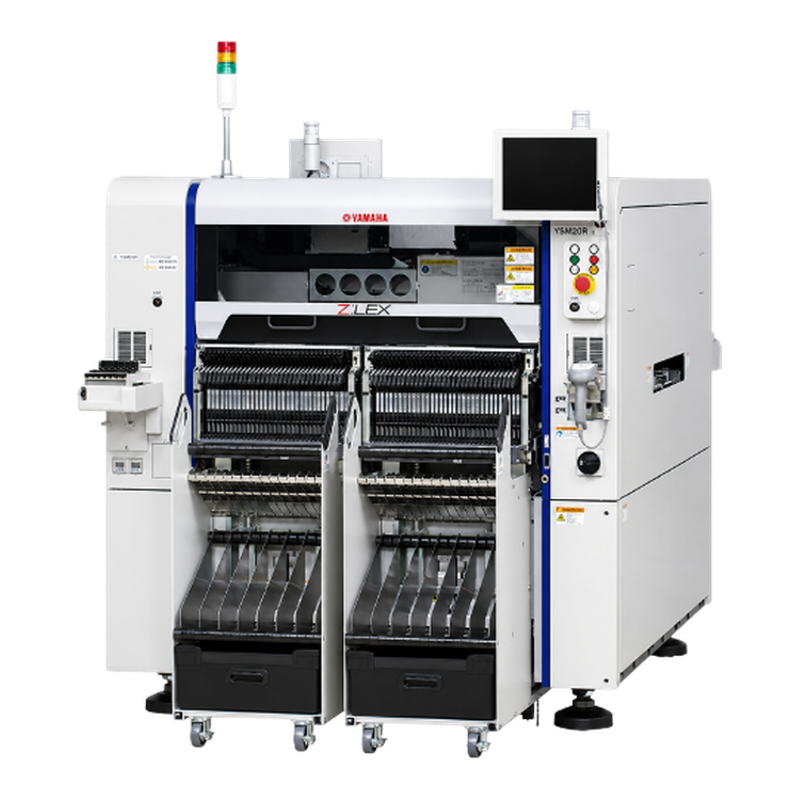
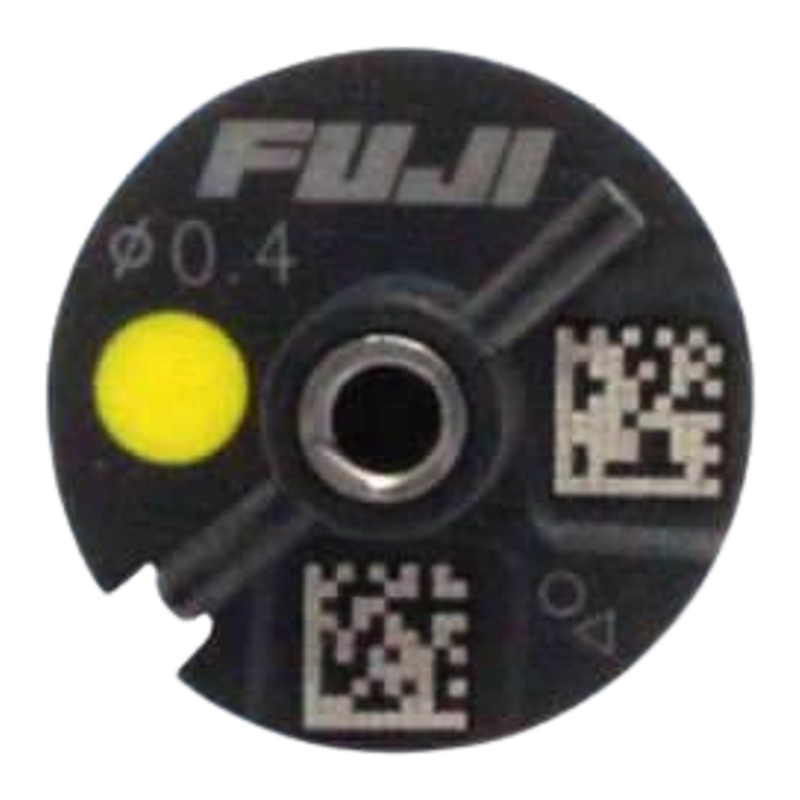
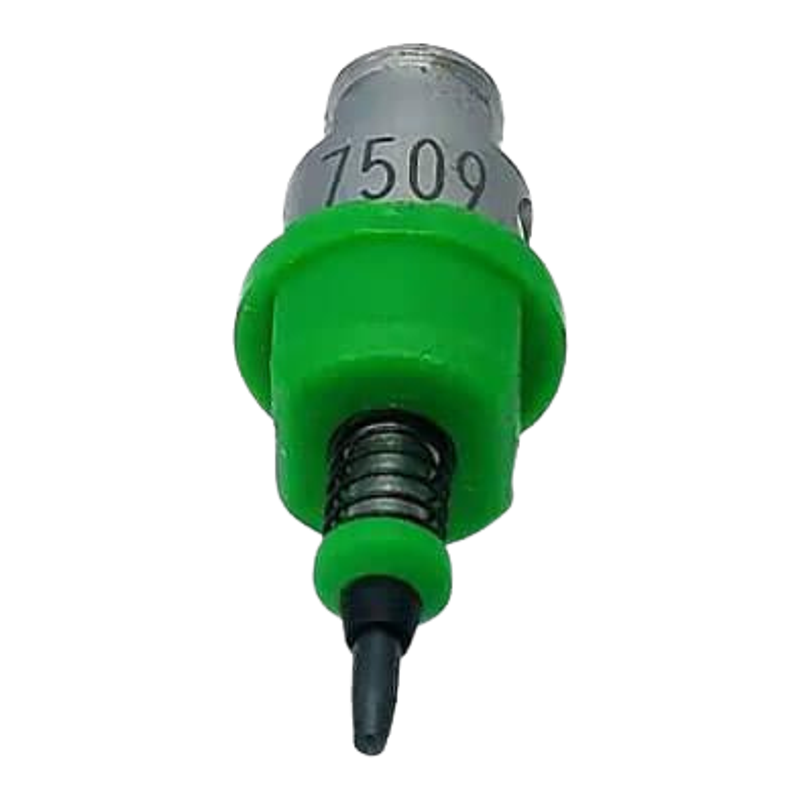
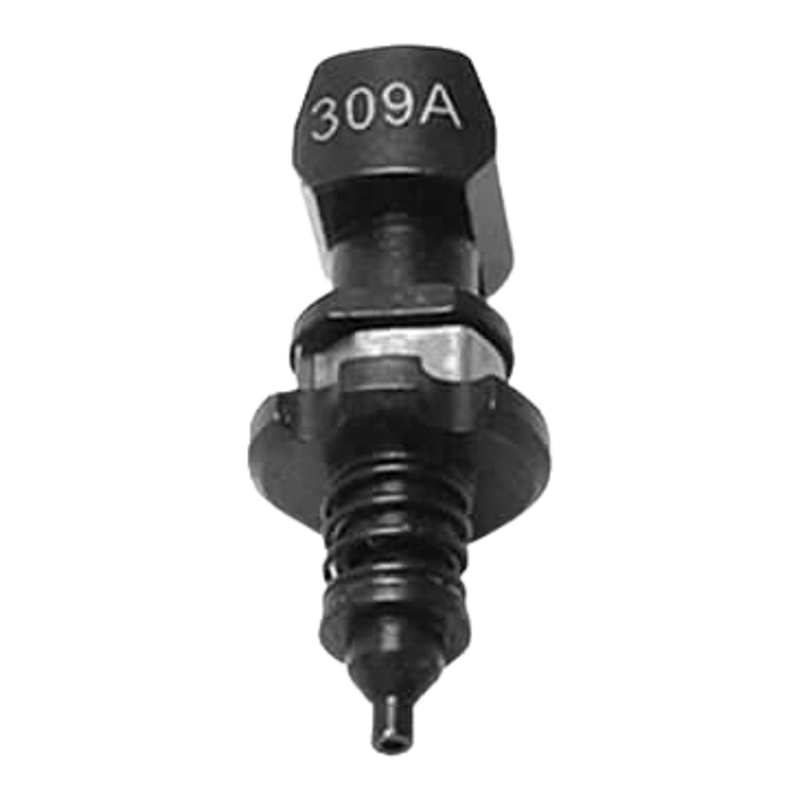
This guide proposes a maintenance evidence workflow. It does not diagnose a particular machine or provide cleaning parameters. The example photographs identify supplier-listed nozzle references; they do not show measured defects, successful cleaning or parts tested by LCSMT.
02 / Maintenance & Recovery
Keep different inspection questions separate
FUJI describes separate checks for nozzle code readability, sliding action, tip contamination or damage, and flow restriction in its Smart Nozzle Cleaner. Those categories explain why a clean-looking photograph cannot establish that a nozzle is serviceable. A readable identifier, an unobstructed flow path and a sound contact face answer different questions.
Use that distinction when reviewing your own evidence. A tip photograph can document an observed surface condition, but it cannot establish internal flow. A machine error record gives operating context, but it does not identify the damaged feature. If only one type of evidence is available, record the limitation instead of merging every symptom into “dirty nozzle.”
03 / Maintenance & Recovery
Make a record that survives a shift change
Identify. Record the full part code and head or position. If a marking is unreadable, quarantine the item under a temporary traceable ID instead of guessing its type from colour.
Observe. Save an unedited overall photograph and a focused tip view before intervention. Separate “observed residue” from a suspected blockage or wear mechanism.
Choose the approved intervention. Find the procedure for the exact nozzle and equipment configuration. Record its document revision and the permitted cleaning or inspection method.
Recheck and decide. Keep the post-intervention evidence with the original record. Authorised personnel decide return to service, further diagnosis or replacement using the applicable acceptance criteria.
JUKI describes individual nozzle management and maintenance history in its preventive-maintenance solution. A smaller operation can preserve the same distinction between part identity and intervention history in a controlled record, even without that specific system. This is a recordkeeping suggestion, not a claim of equivalent automated inspection capability.
04 / Maintenance & Recovery
Use a controlled handoff instead of an undocumented swap
An actionable handoff contains the nozzle identifier, machine context, symptom, photographs, procedure reference, intervention, inspection result, reviewer and next action. Keep removed parts physically associated with their records. A tray labelled only “cleaned” loses the reason each item was removed and the evidence required to release it.
Where the machine procedure permits a controlled diagnostic comparison, document the original position, comparison part and every changed variable. Do not improvise a live-machine experiment or defeat protective measures. If a symptom persists, hand the evidence to the responsible service team; repeated unrecorded exchanges cannot distinguish a part issue from a machine or process issue.
Before buying a replacement, use the nozzle selection evidence matrix. A replacement request should include the full code and revision, not just the failed symptom. Review the local H08 / H12 family identifiers as an example of separate ordering references within one browsing family.
05 / Maintenance & Recovery
Avoid recipes that outrun the evidence
Do not infer a universal solvent, air pressure, ultrasonic setting, lubrication point or cleaning interval from a supplier photograph or a procedure for another brand. Cleaning equipment instructions may apply only to supported nozzle types and specific hardware. A replacement quote also does not prove that a used nozzle can safely be restored.
Photographing a part after background removal makes identification easier, but it cannot demonstrate cleanliness, flow, dimensional wear or authenticity. Keep raw photographs and actual test records separately from catalogue images. A digitally enlarged image has no additional native measurement detail.
06 / Maintenance & Recovery
Define what remains unknown
This article supplies a record structure and purchasing handoff. It does not establish pass/fail limits or a maintenance interval for your nozzle. Obtain those from the applicable OEM documentation and responsible service team. If the exact part, procedure or inspection result remains unknown, keep that field open and prevent a routine “cleaned” label from being treated as technical approval.
The SMT Classroom provides related inspection context. For a unit-specific service or spare-parts discussion, send the evidence packet with the complete machine and nozzle identifiers.
Technical Sources
FUJI: Smart Nozzle Cleaner — OEM inspection or maintenance-management context; not a cross-brand cleaning recipe or a fit certificate.
JUKI: Preventive maintenance — OEM inspection or maintenance-management context; not a cross-brand cleaning recipe or a fit certificate.
Reference images do not establish current stock, installed fit or functional test results. Confirm these separately for the item offered.