
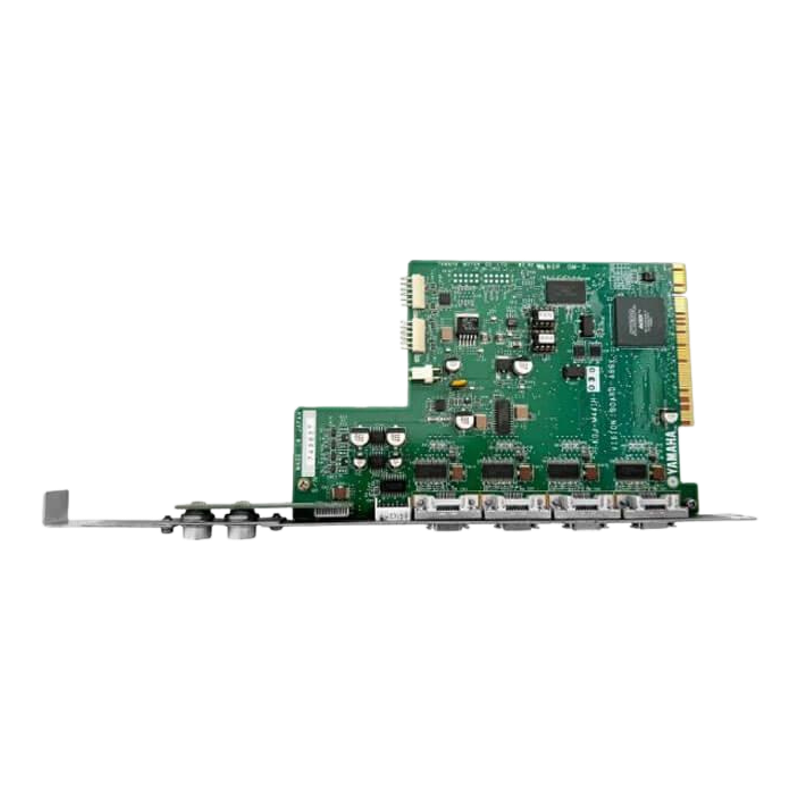
The handover starts before the bag is opened
A spare board can spend more time in a stockroom than in a machine. When it is needed, the useful questions include where it has been kept, whether its identification stayed with it and whether the protective package remained suitable for the next move. A clean-looking board is not a record of those conditions.
Prepare the retrieval with the responsible service and ESD teams. Keep the exact assembly, revision and storage location together. Do not open an unknown package on an ordinary desk merely to get a better label photograph.
A protective package and a working board answer different questions
The EOS/ESD Association distinguishes an ESD protected area from movement outside it. For susceptible items, the protective packaging requirements depend on that handling context; a generic plastic bag is not evidence of the necessary properties.
A package assessment cannot show that the enclosed board works. Conversely, an earlier functional test does not document every later handling step. Keep the two records separate, with their actual dates, scope and item identity.

Check the retrieval without making a new exposure
- Identity: compare the external label and stock record. If the internal assembly identity needs confirmation, arrange it under the applicable controlled handling procedure.
- Package condition: note an open, torn, contaminated or unidentified package. Ask the responsible ESD person to decide the next handling and repackaging step.
- History: retain any available receipt, repair, test and later handling records. Missing history stays missing.
- Destination: confirm the receiving service area, handling responsibility and required package for the route.
- Status: distinguish stored spare, assessed item and rejected or unresolved item so one cannot silently take the place of another.
Do not turn a package finding into a failure diagnosis
Damaged packaging is a reason to record and assess the exposure; it does not, by itself, prove that a board has failed. An intact-looking package is likewise not proof of the electrical condition inside it. State the observed finding and leave the technical disposition with the responsible team.
If a functional check is required before installation, define the applicable host or fixture, method and acceptance. Avoid a blanket tested label when the only new work was an external package inspection.
Return unused spares with a clear status
After a maintenance job, record whether a retrieved spare was opened, installed, assessed or left unused. Keep its exact identity and the actual outcome with the return-to-store record. Agree appropriate repackaging through the site procedure; do not assume an old bag can be reused indefinitely.
This article sets no storage duration, humidity limit, bag-resistance limit or test frequency. Those requirements depend on the actual item, packaging and site control programme. It also makes no claim that LCSMT operates a certified ESD facility.
Technical sources and catalogue examples
The EOS/ESD Association explains that susceptible electronics need protection through handling, storage and transport, including discharge shielding when moved outside an ESD protected area. Its general principles do not certify the pictured boards, a particular bag or a warehouse.
EOS/ESD Association: Principles of ESD Control