
A bag of similar elements is an incomplete maintenance record
“Replace the vacuum filter” may sound like a complete instruction, but it does not identify the machine location, the installed element or what led to the decision. A workshop may have several visually similar spare elements. If removed parts are combined without labels, purchasing can lose the link between the symptom, the position and the required code.
The useful first step is to preserve that link. Record the machine, actual head or assembly, installation position and observed symptom before an authorised removal. This is a documentation step, not an instruction to open a machine or disturb a pneumatic circuit.
Read the package, then check what it actually supports
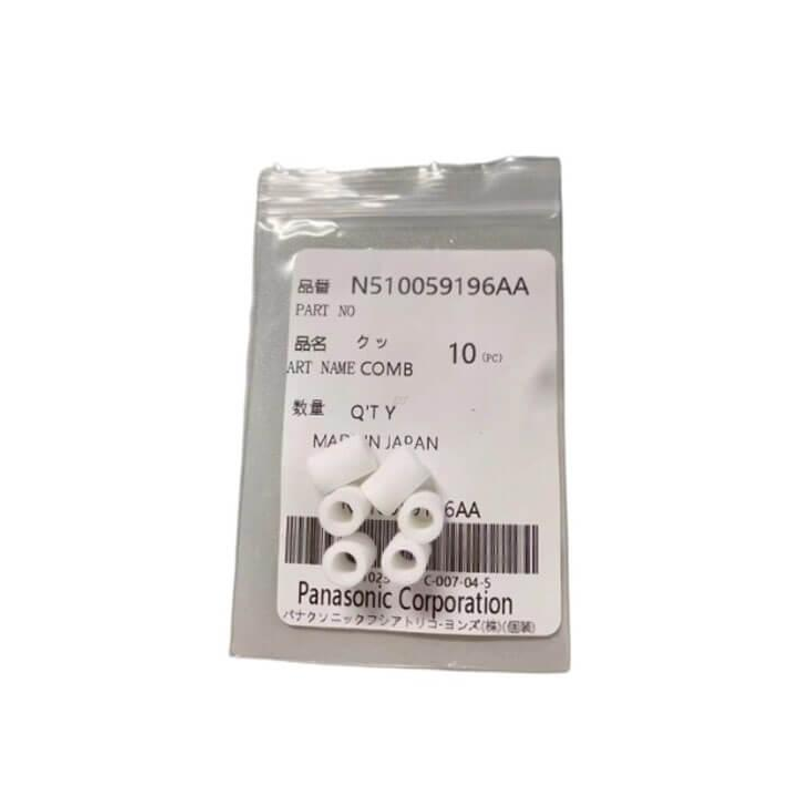
The N510059196AA filter reference has a readable package beside loose white elements. The page carrying the photograph names other codes in its title. A separate supplier listing identifies N510059196AA and describes an NPM Head 2/3 application.
That discrepancy changes the handover: retain the visible code and ask which installed position requires it. Do not adopt every title code as an alias. Also do not assume that all loose pieces beside a bag came from that bag. A reference label helps identify the discussion; a delivered lot still needs its own evidence.
Build a position-to-part record that another person can check
- Position: actual machine and head identification, installation location and the applicable part-list or service reference.
- Identity: readable installed marking if present, package code and the basis for associating the element with that location. Keep unknown fields explicit.
- Observation: the symptom as seen, when it occurred and any existing machine record. Separate an observation from a confirmed cause.
- Action: who authorised inspection or replacement, what was changed and which applicable acceptance procedure will be used.
Keep removed samples individually identified when the service procedure permits retaining them. A small labelled tray or bag can support traceability; it does not establish cleanliness or permission to reuse the element.
Keep a suspected cause separate from a confirmed fault
A pick-up symptom does not by itself identify a particular filter as the cause. Record the actual evidence available to the responsible service team rather than rewriting the symptom as “blocked filter” in the purchase request. If the team has a documented inspection result, retain its method, conditions and conclusion.
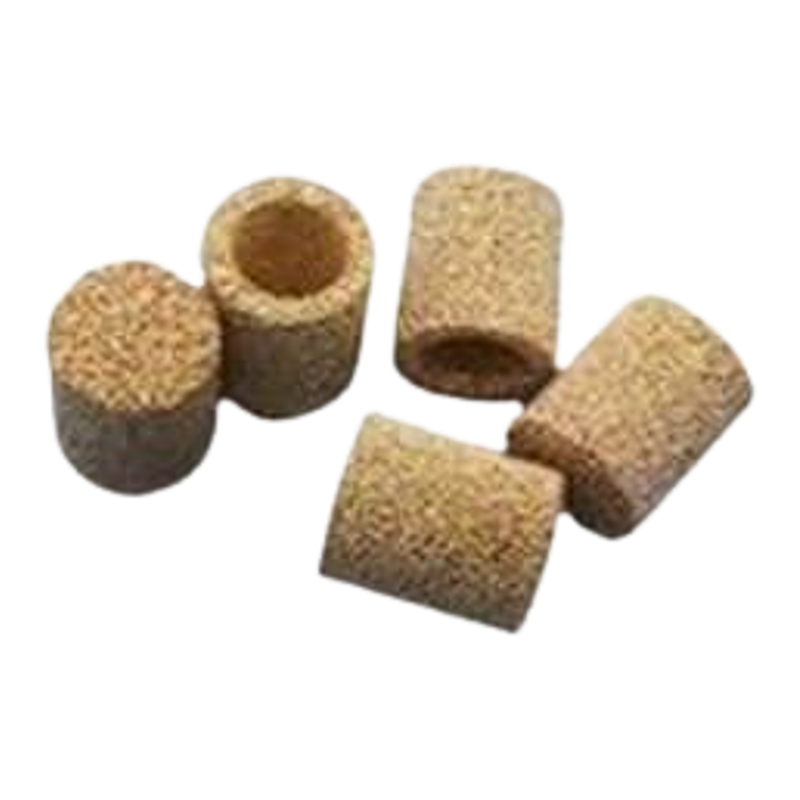
The L155E421000 FX filter illustration provides another limit: its loose elements have no readable part markings. A single-code catalogue entry is more focused than a mixed-code group page, but the photograph still cannot supply an unlisted size, performance rating or a machine-specific diagnostic threshold.
Choose the next action from the missing evidence
If the installed code and position are documented, prepare a like-for-like RFQ with that evidence. If the code is uncertain, first request identification support using the machine record and the retained position information. If a different element is proposed, keep it in an alternative line until its applicable dimensional and functional basis has been reviewed.
Cleaning, replacement and return to service are separate decisions. Follow the relevant manufacturer procedure for each. This article approves no solvent, washing method, air-blow method, pressure limit or universal replacement frequency. An unmarked spare should not acquire those permissions merely because it resembles a catalogue photo.
Close the maintenance record, not just the purchase order
After authorised work, record the exact supplied identity, installation position, action performed and result of the applicable acceptance check. If a symptom remains, retain that result as unresolved rather than recording the replacement as a successful repair automatically.
- A photograph supports appearance; it is not a measured filter specification.
- A package label supports a stated identity; it does not authenticate every loose piece.
- A supplier machine list is not proof of fit at every position.
- A replaced part is not, by itself, proof that the original fault has been resolved.
This workflow is intended for maintenance and procurement handovers. It complements the applicable machine instructions and preserves the evidence needed for a focused parts enquiry.
Technical sources and catalogue examples
These supplier records support the catalogue identifiers and their stated applications only. The record-and-decision workflow is editorial guidance; it does not specify cleaning methods, machine settings or diagnostic limits.
Panasonic N510059196AA: separately retained supplier identity record
JUKI L155E421000: single-code supplier reference
Panasonic N510059196AA filter: readable package and loose filter reference