
Home / JUKI SMT Machines / JUKI JM-100
Manufacturer-reference buyer guide
OverviewJUKI JM-100 Multitask Insertion Platform
The JM-100 combines insertion work with JUKI's Takumi-head recognition options. Compare board size, component presentation and clinching needs against the actual installed configuration before quoting a used unit.
Manufacturer-published model data
JUKI JM-100 Technical Specifications
| Published insertion time | 0.6 s/part with a vacuum nozzle or 0.8 s/part with a gripper nozzle under JUKI's specified test conditions; board transfer and mark recognition are excluded. |
|---|---|
| Board size | One clamp: 50 × 50 to 410 × 360 mm in the applicable standard configuration; two clamps extend length to 800 mm. Clinch setups have different minimum sizes. |
| PCB and component limits | PCB weight up to 4 kg and component height up to 30 mm in JUKI's published specification. |
| Recognition | Takumi head with multiple recognition heights; laser and optional vision recognition depend on the installed setup. |
Manufacturer model data · Important: model-level figures and features are conditional manufacturer information, not guarantees for a particular used JUKI JM-100 unit.
Key Features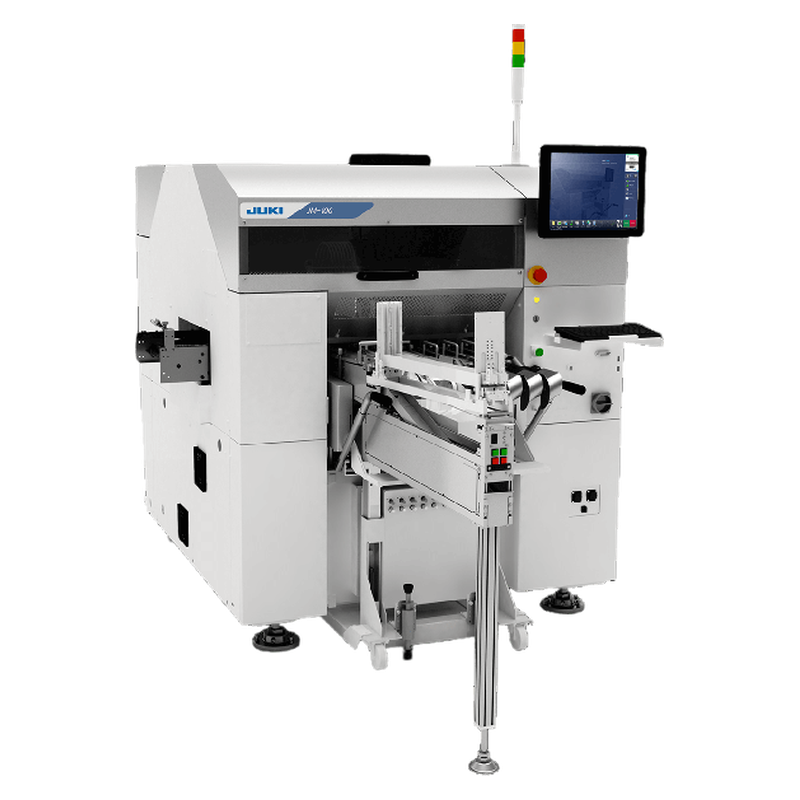
Configuration Must Be Verified
The actual JUKI JM-100 quote should identify the Takumi head, pickup nozzles, grippers, feeders, clinching unit, software, voltage and visible condition.
Buyer decision guide
When JUKI JM-100 Makes Sense — and When It May Not
JUKI JM-100 selection should begin with production requirements and evidence, not with a model name alone.
Typical Applications
Typical Applications for JUKI JM-100
JUKI JM-100 should be evaluated against the buyer’s odd-form component mix, board dimensions, feeder presentation, clinching requirement and line handoff. The final application fit depends on the evidence for the specific unit.
Before quotation
Three JUKI JM-100 Buyer Questions
These questions keep the quotation scope connected to the buyer’s real SMT process.
1
Which insertion parts require vacuum versus gripper pickup?
JUKI JM-100 buyers should confirm this with actual-machine evidence before quotation.
2
Does the offered machine include the clinch and feeder configuration needed for the board?
JUKI JM-100 buyers should confirm this with actual-machine evidence before quotation.
3
Can the seller demonstrate pickup, recognition, insertion and board transfer on a representative assembly?
JUKI JM-100 buyers should confirm this with actual-machine evidence before quotation.
Running video confirmation
JUKI JM-100 Running Video Review
Before shipment, review the relevant power-on, movement, operating state and visible condition for the specific offered unit.
This review page does not present a reference clip as proof of the actual machine. A reviewed unit-specific recording is required before it can be attached here.
- Power-on and visible operating-state confirmation
- pickup, insertion, clinching where fitted and board transfer
- Unit-specific condition evidence before export packing
Running video pendingA reviewed local video is not yet attached. Open this panel for unit-specific proof.
Used-machine inspection
Inspection and Export Preparation for an Actual JUKI JM-100
- Nameplate and configurationModel, serial, year, voltage and installed options.
- Machine configurationMechanical, transport, sensing, camera, software and motion condition relevant to the quoted JUKI JM-100.
- Transport and softwareConveyor, sensors, program and line-interface evidence where applicable.
- Running and packing proofPower-on evidence, visible operation and export packing records.
Spare Parts
JUKI JM-100 Spare Parts Scope
Request a unit-specific JUKI JM-100 list for vacuum nozzles, grippers, feeders, clinching tools, sensors and maintenance items. Availability is not claimed on this review page.
Quotation checklist
Provide board dimensions, insertion-part range, required cycle time, feeder and clinch scope, voltage and destination, required accessories and desired inspection evidence for the proposed JUKI JM-100.
FAQ
Common questions for overseas buyers evaluating a JUKI JM-100.
01Cycle time
Is 0.6 s/part a guaranteed line rate?
No. It is a manufacturer test-condition insertion time and excludes board transfer and mark recognition.
02Board range
Does every JM-100 handle 800 mm boards?
That length is published for two-clamp operation; confirm the actual setup and tooling.
03Used-unit evidence
What should be verified before quotation?
Ask for the nameplate, head, nozzles, grippers, feeders, clinch unit and an actual running trial.
Export packing proof
Export Packing and Container Loading
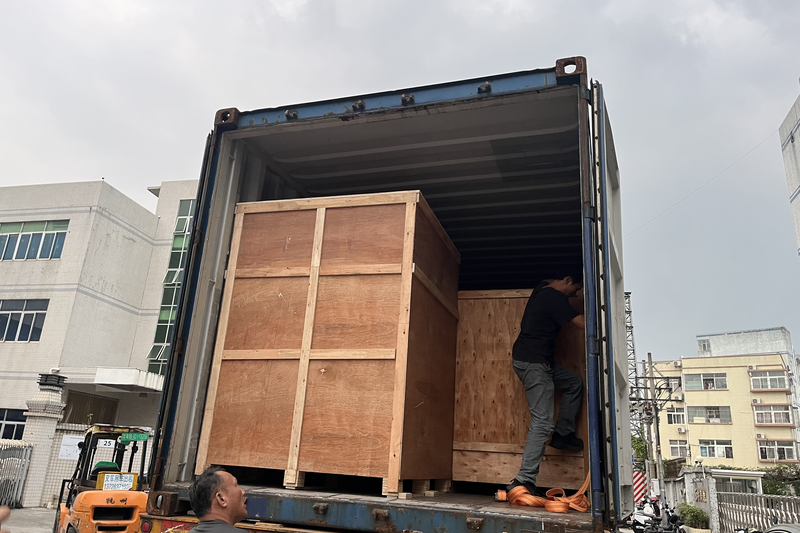
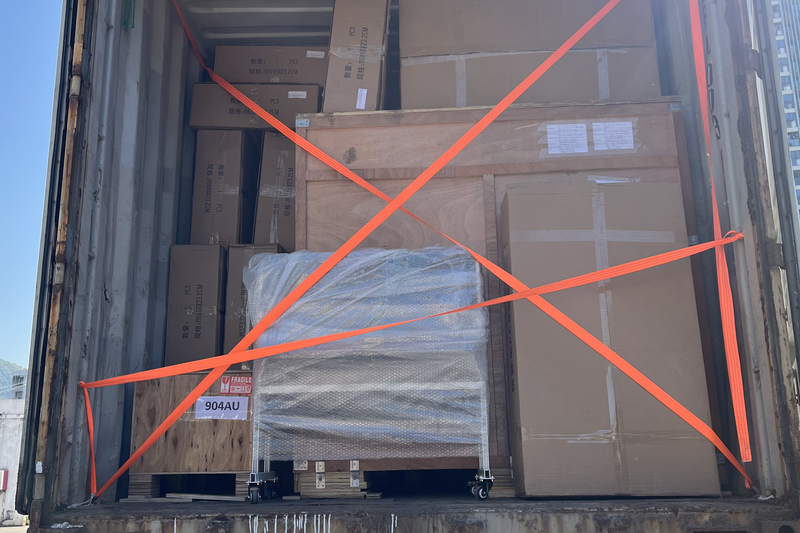
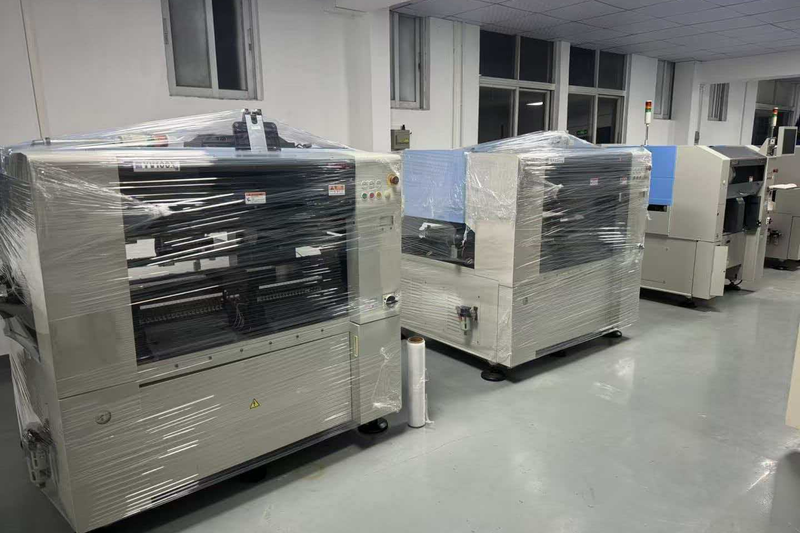
The V3 scrolling proof gallery is retained. It describes LCSMT export preparation, not the condition of a particular JUKI JM-100 unit.
Send Your JUKI JM-100 Production Requirement
Share board dimensions, insertion-part range, required cycle time, feeder and clinch scope, voltage and destination and inspection expectations. LCSMT can review whether an actual JUKI JM-100 configuration is a practical match.