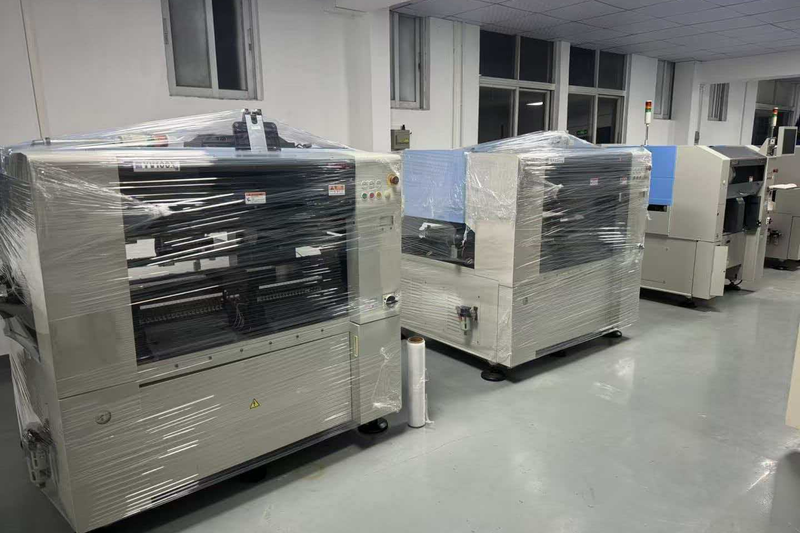
Application qualificationQualify Dense Radial Assemblies
Prove access in the dense area
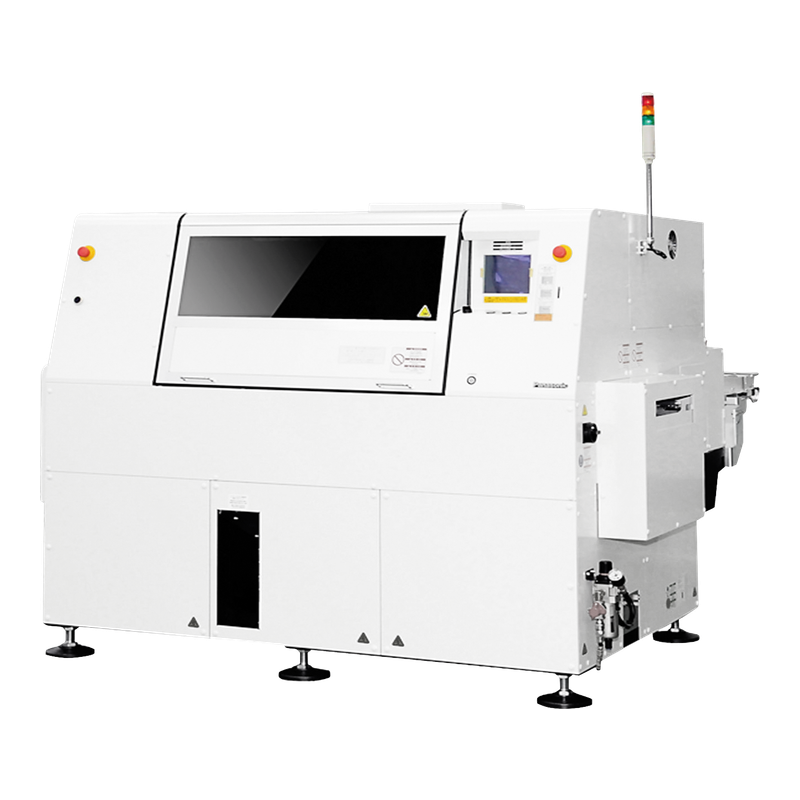
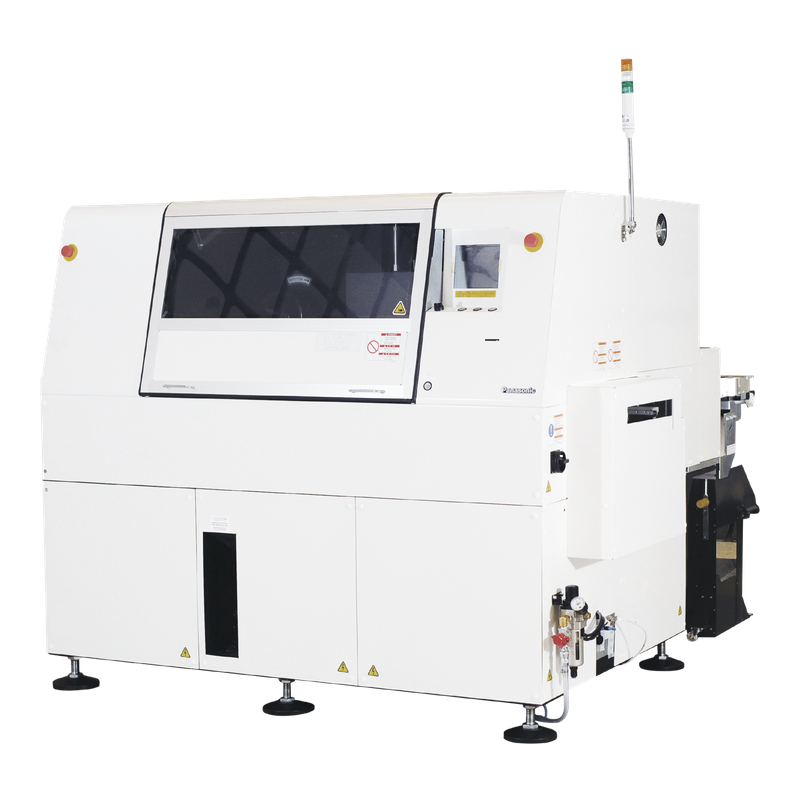
For Panasonic RG131-S selection, mark the most crowded board locations and gather drawings of the radial packages around them. Its guide-pin positioning is a reason to examine insertion clearance carefully. Observe the tool approach and exit on a populated sample, including tall neighboring bodies; a catalogue board envelope alone cannot answer a local clearance problem.
Control lead preparation
An RG131-S qualification should record incoming lead pitch, straightness and protrusion along with the installed guide and cutting-tool condition. Compare underside photographs after insertion with the drawing and downstream soldering requirement. Bent leads, cracked bodies or inconsistent lead length need investigation before accepting a nominally successful cycle.
Check direction and replenishment
RG131-S specifications list four insertion directions. Audit the component orientations in the actual board design against those directions before committing to a program. Review the 40-input supply arrangement, replacement-part access and changeover procedure with the operator; do not transfer the larger RG131 input count to the S variant.
Compare the intended task
Choose between RG131-S and RL132 by the assembly constraint. A dense layout needing guide-pin access deserves a different trial from a workload dominated by radial insertion rate and rotational orientation. Keep a documented exception list for every component that cannot be demonstrated on the selected machine.