
Home / Equipment category / PBT Works HyperSWASH III
Overview
PBT Works HyperSWASH III Batch PCBA Cleaning System
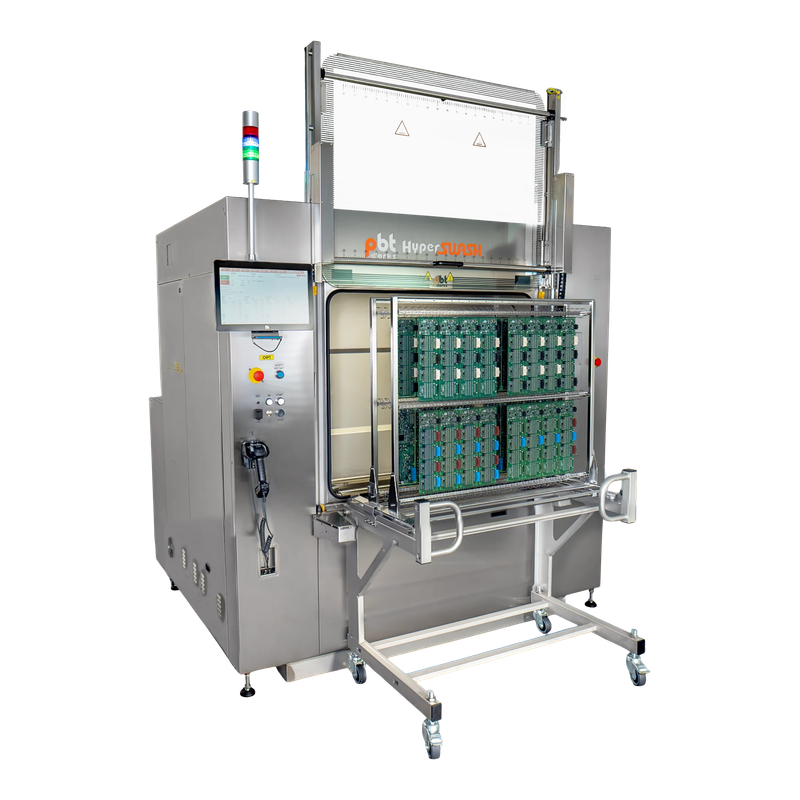
The HyperSWASH III uses spray-in-air cleaning for loaded batches of PCB assemblies. Basket geometry matters because spray access and drainage vary with orientation.
Manufacturer-published model data
PBT Works HyperSWASH III Technical Specifications
| Wash method | PBT Works describes linear spray nozzles for wash and rinse. |
|---|---|
| Loading | The manufacturer describes TWINGO frames or COMBO baskets and manual or configured automatic handling. |
| Drying | The product page describes linear hot-air knife drying. |
| Dimension reference | The China distributor table lists 1,900 × 1,600 × 2,100 mm (W × L × H) and 950 kg without liquid. |
| Electrical reference | The distributor table lists three-phase 400/230 V at 50 Hz and 19.1 kVA. Use the offered unit's electrical documentation to confirm. |
Manufacturer model information · China distributor specifications
Model data describes the published configuration. Confirm fitted options, utilities and condition for the unit offered.
Key Features
Configuration Must Be Verified
PBT Works lists a choice of loading frames or baskets. Confirm the supplied holder, board spacing and washing, rinsing and drying configuration. Use the qualified fluid and actual utility connections for the offer.
Buyer decision guide
When PBT Works HyperSWASH III Makes Sense — and When It May Not
Check the largest board with actual fixtures and spacing. Compare a representative full batch with a lightly loaded one.
PBT Works HyperSWASH III Acceptance Plan
Inspect retained moisture under connectors and around fixtures. Record wash chemistry, rinse monitoring and dry time under the agreed process.
- Define the sample load
Use an actual production basket or frame. Record board locations and orientations and include a witness board in the position with the poorest expected drainage.
- Separate cleaning, rinse and dry checks
Retain the agreed evidence of residue and rinse quality. Check hidden moisture near connectors and contact points after drying under the approved procedure.
- Measure usable output
Time the whole batch from loading through release. Repeat with a representative fill level and report any queue or fixture change that affects boards per shift.
Typical Applications
Typical Applications for PBT Works HyperSWASH III
Review dense or shielded assemblies on the intended frame and identify places that retain liquid. Test the largest and smallest boards with the supports the site will use.
For mixed lots, demonstrate a repeatable fixture arrangement that avoids masking spray access. Record whether different board designs require separate recipes or holders.
Before quotation
Three PBT Works HyperSWASH III Buyer Questions
1
What must the process handle?
Send the drawing, sample or material that defines the hardest job. Review the wash method with that sample in view.
2
Which configuration is on offer?
Require the data plate and a configuration list with included items and separately priced options. Mark the setup used in the trial.
3
How will acceptance be measured?
Agree the result to keep from the trial and how it will be checked after transport. Include unresolved process limits on the order.
Running video confirmation
PBT Works HyperSWASH III Running Video Review
Ask for a dated sequence showing a real frame or basket, the selected recipe and the same assemblies at unload. Include the cleanliness or drying check that determines release.
Request a dated recording tied to the offered machine's serial and tested sample. The preview opens the evidence request.
Used-machine inspection
Inspection and Export Preparation for an Actual PBT Works HyperSWASH III
- Unit identityMatch the nameplate, electrical label and fitted options to the quotation. Keep any condition notes and missing accessories with that serial.
- Inspection and maintenanceInspect spray patterns, filters and basket contact points. Match any fluid change to the chemistry supplier's instructions.
- Acceptance recordConfirm power, installed tanks, rinse arrangement, frame inventory and fluid handling. Save any available calibration or service information for the controls and the approved drying check.
- Export handoffAgree the transport state and the commissioning check. Request dated packing records for the actual unit before dispatch.
Spare Parts
PBT Works HyperSWASH III Spare Parts Scope
Quote holder and basket components, nozzles, filters, seals and compatible fluid-service parts from the installed revision. Document which holder is needed for each board format.
Quotation checklist
Provide your application, sample details, destination utilities and required delivery scope. Ask the supplier to itemise configuration, service parts, installation and the evidence included with the offer.
Compare batch loading with continuous wash and dry
HyperSWASH III uses frames or baskets. SME-6300 moves boards through an inline sequence. Compare the cleaning result with the same assemblies, then account for queue, load density and how the cleaned board leaves the station.
Southern Machinery SME-6300 →FAQ
Common questions for overseas buyers evaluating a PBT Works HyperSWASH III.
01Configuration
Should the fastest cycle be used for every batch?
Validate the cycle with the actual soil, loading pattern and downstream cleanliness requirements.
02Selection
Can a lightly loaded demonstration qualify a full basket?
Use it as setup evidence. Test the intended loaded positions, including the least accessible or slowest draining board.
03Acceptance
Which evidence establishes drying?
Use the assembly's approved method and inspect locations that retain moisture. Keep the observed result with the board orientation and recipe.
Export packing proof
Export Packing and Container Loading
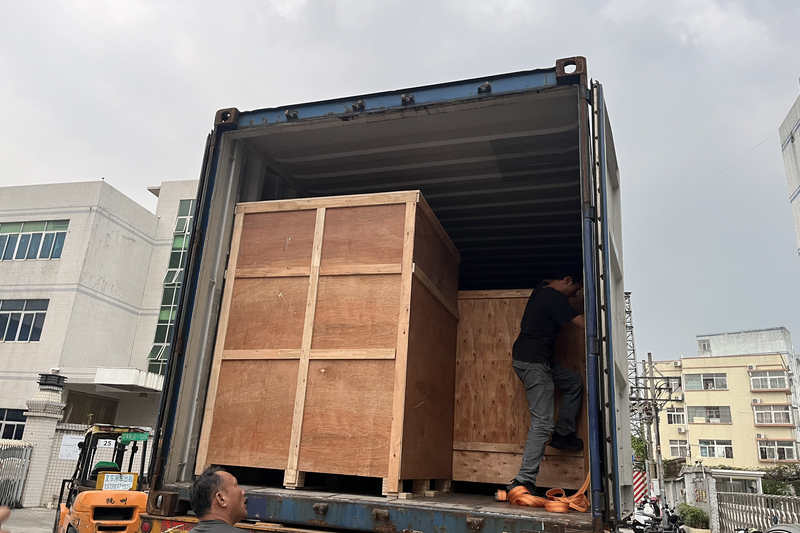
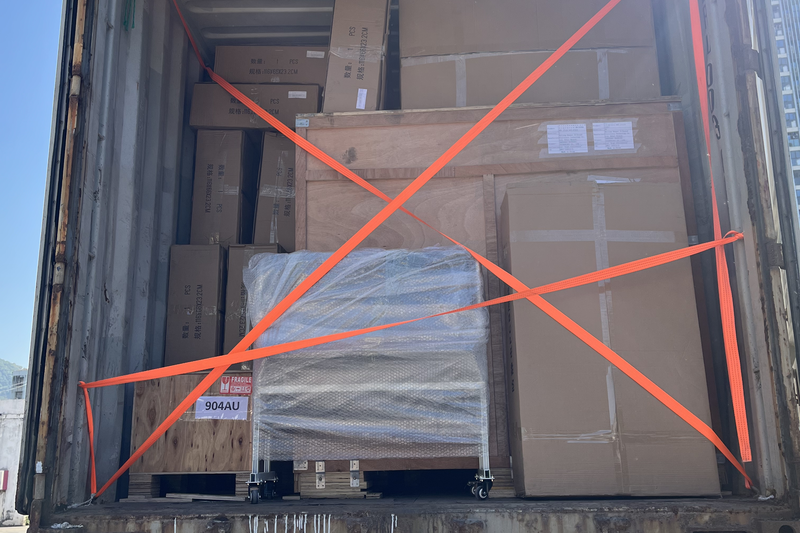
Follow the qualified fluid handling and drain procedure before transport. Label each removable rack and basket, protect door and utility connections and retain the first-run verification plan.
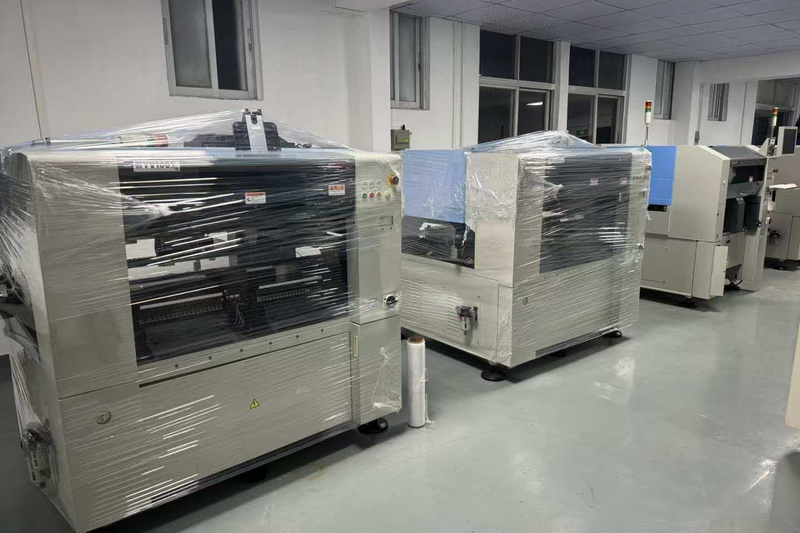
These photos show general export preparation. Request dated protection and loading photos for the specific unit before dispatch.
Send Your PBT Works HyperSWASH III Production Requirement
Share the process, representative job and required evidence. Ask for the fitted configuration and a quotation that distinguishes the machine, tooling, services and delivery.