Essential manual BGA/SMT rework
IR-E1
- Board
- 300 × 450 mm
- Component
- 55 × 55 mm
- Handling
- Hand-held vacuum removal
SMT equipment sourcing · inspection · packing · global delivery

The IR-E comparison places the IR-E1 and IR-E3 Pro manual infrared rework configurations in one guide. Compare board size, package size and the optical alignment package. The pictured IR-E3 Pro is a family reference, not an IR-E1 photograph.
Controlled component removal and rework using independent board and component temperature measurements. Select by the actual board envelope, optical configuration and installation space—not the suffix alone.
Essential manual BGA/SMT rework
Large-board manual rework with optical alignment
Based on the individually named manufacturer product pages. Figures describe standard model configurations, not stock or an offered unit. Dimensions are listed in the source order and exclude the tower light where stated. The pictured IR-E3-Pro is the representative family reference, not proof that all versions share its hardware. Request nameplate, configuration and board-trial evidence before selection.
| Ir-e1 board | Up to 300 × 450 mm |
|---|---|
| Ir-e1 component | Up to 55 × 55 mm |
| Ir-e3 pro board | Up to 620 × 620 mm |
| Ir-e3 pro component | Up to 85 × 85 mm; large-component heater is optional |
| Shared preheater | 2,800 W, three zones; published heating area 360 × 240 mm |
| Alignment distinction | IR-E3 Pro lists split-beam prism alignment; do not transfer it to IR-E1 |
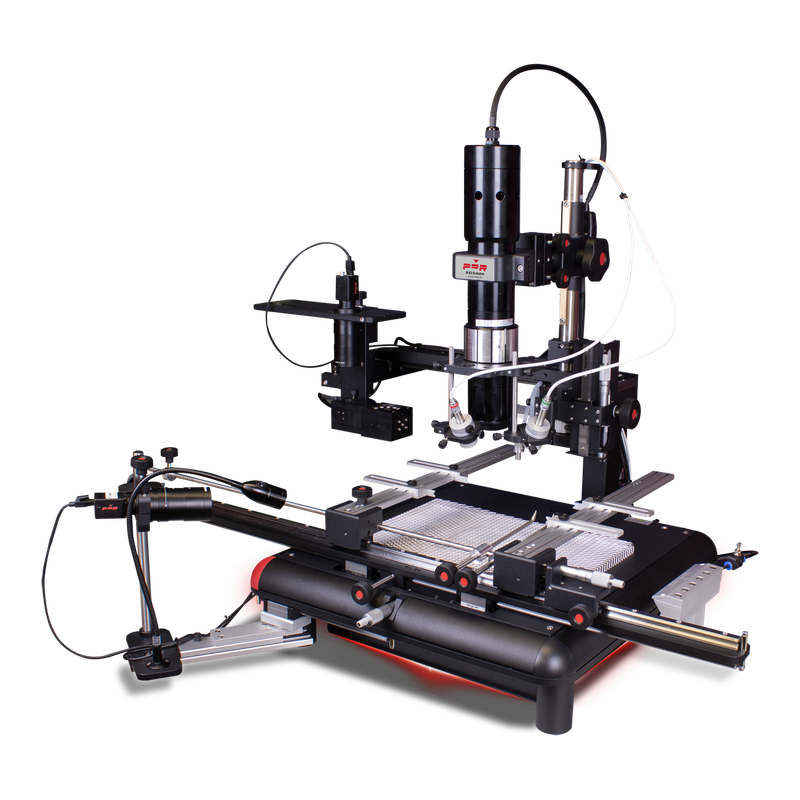
The PDR IR-E Family offer must document IR heater, preheater, sensors, board support and pickup tools; Thermal profile, alignment calibration and inspected reworked joints.
PDR IR-E Family selection should begin with production requirements and evidence, not with a model name alone.
For the PDR IR-E family, compare PCB dimensions and component geometry with the recorded version. The larger IR-E3 Pro includes an optical positioning role that is not established by the IR-E1 specification. Identify the fitted heater and workholder before assuming that a maximum board envelope is uniformly heated.
An IR-E acceptance run should retain board thermocouple and component sensor traces, pad inspection after removal and the chosen joint inspection after replacement. Include the alignment method and tool photographs. A completed heating cycle does not by itself establish a reliable repair or the condition of a used system.
Controlled component removal and rework using independent board and component temperature measurements. Compare board size, package size and the optical alignment package. The pictured IR-E3 Pro is a family reference, not an IR-E1 photograph.
These questions keep the quotation scope connected to the buyer’s real SMT process.
PDR IR-E Family buyers should confirm this with actual-machine evidence before quotation.
PDR IR-E Family buyers should confirm this with actual-machine evidence before quotation.
PDR IR-E Family buyers should confirm this with actual-machine evidence before quotation.
Before shipment, review the relevant power-on, movement, operating state and visible condition for the specific offered unit.
Request a dated operating sequence for the offered PDR IR-E Family. The preview is a model illustration; the orange control requests evidence, not playback.
Request a unit-specific PDR IR-E Family list for heater optics, pickup tools, thermocouples, workholder fixtures and sensor accessories. Availability is not claimed on this review page.
Provide target assembly, process requirements, ir-e1 board, installed configuration and destination, required accessories and desired inspection evidence for the proposed PDR IR-E Family.
Common questions for overseas buyers evaluating a PDR IR-E Family.
Controlled component removal and rework using independent board and component temperature measurements. Compare board size, package size and the optical alignment package. The pictured IR-E3 Pro is a family reference, not an IR-E1 photograph.
IR heater, preheater, sensors, board support and pickup tools. Request the exact nameplate and option list.
The PDR IR-E Family illustration is model-reference imagery, not a dated stock photograph. Serial, location, condition, price and running evidence require separate confirmation.
The V3 scrolling proof gallery is retained. It describes LCSMT export preparation, not the condition of a particular PDR IR-E Family unit.
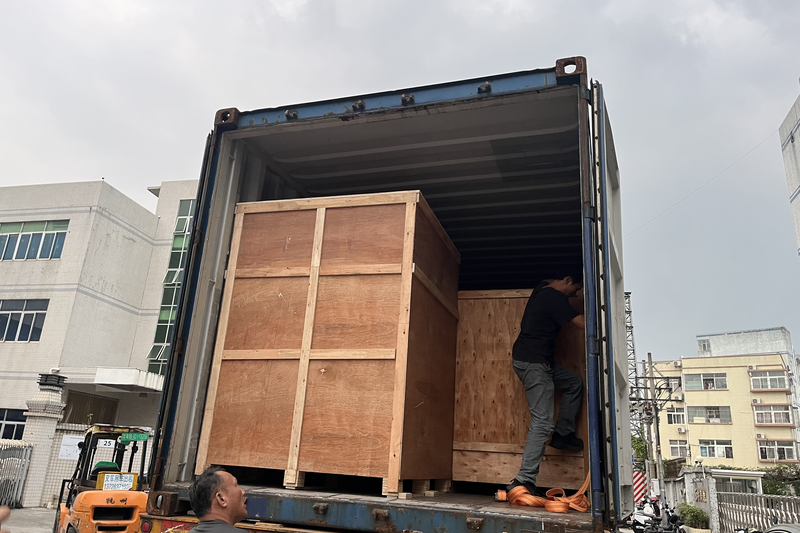
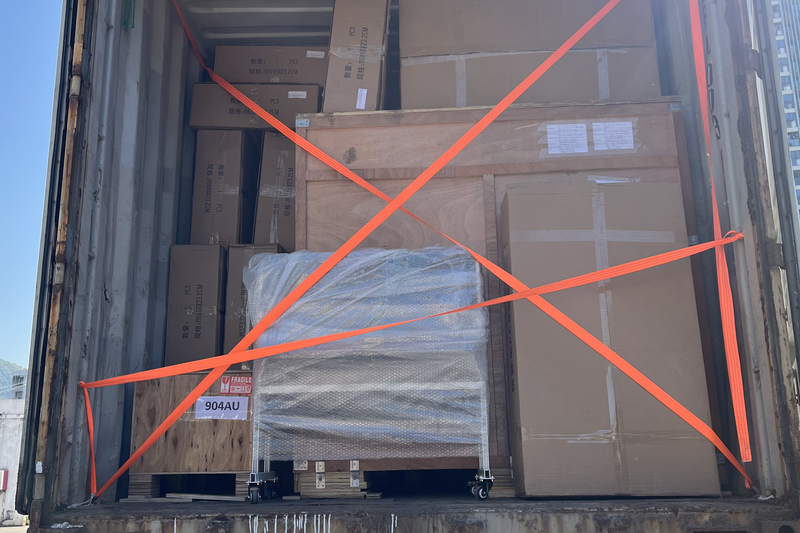
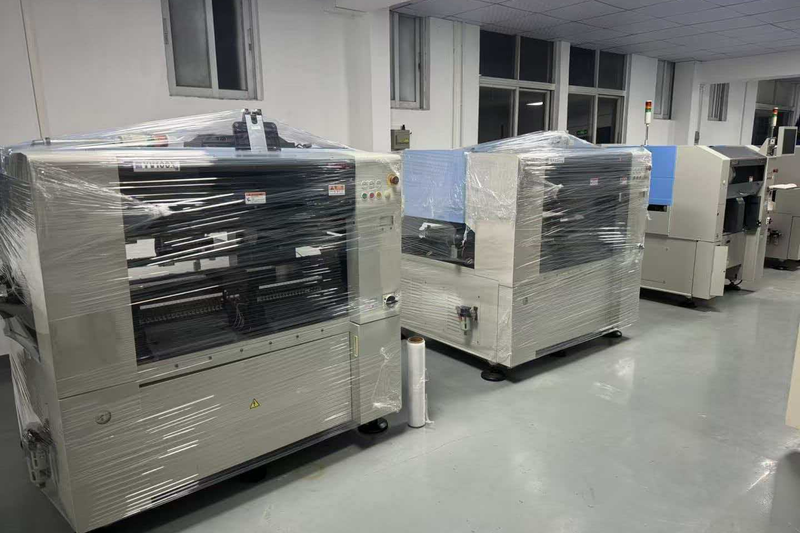
Share target assembly, process requirements, ir-e1 board, installed configuration and destination and inspection expectations. LCSMT can review whether an actual PDR IR-E Family configuration is a practical match.