Standard SIII inline AXI
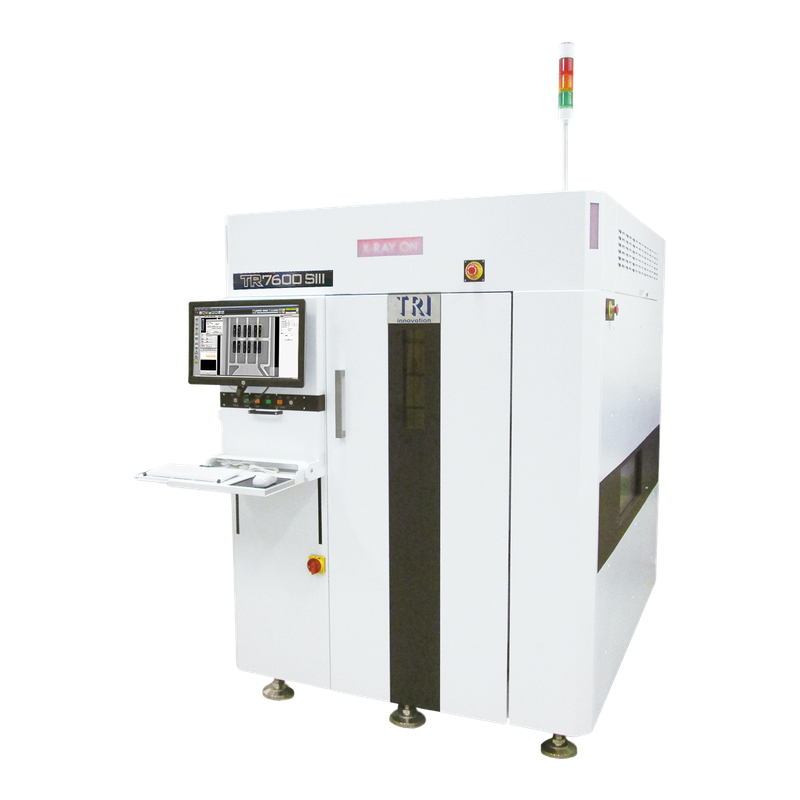
TR7600 SIII
- Board
- 900 × 520 mm
- Imaging
- 7–20 µm
- Cabinet
- 1,470 × 2,110 × 1,975 mm; 3,850 kg
SMT equipment sourcing · inspection · packing · global delivery

The TRI TR7600 SIII Family uses inline line-scan X-ray imaging for hidden solder joints. SIII and the larger-board TL SIII variant share a comparison page rather than separate suffix-led production slots. Shortlist SIII using the hidden-joint task, component overlap and board handling. CT imagery does not prove every defect is detectable, and a TL envelope is not the standard SIII envelope.
Automated inspection of hidden PCBA connections and solder features using the fitted 2D, 2.5D or 3D slice configuration; planar CT is an option to verify. Select by the actual board envelope, optical configuration and installation space—not the suffix alone.
Standard SIII inline AXI
Large-board version
Current manufacturer model descriptions checked 5 October 2026; numbers remain version-specific. Figures describe standard model configurations, not stock or an offered unit. Dimensions are listed in the source order and exclude the tower light where stated. The representative TR7600-SIII image is not proof of another version or an offered unit’s condition. Request nameplate, configuration and board-trial evidence before selection.
| Camera system | 3 or 5 line-scan CCD units, corresponding to 9 or 15 sensors |
|---|---|
| X-ray source | 60–130 kV in the current manufacturer tables |
| Siii imaging choices | 7–20 µm, with clearance dependent on the selected resolution |
| Siii board envelope | Up to 900 × 520 mm in the current model page |
| Tl siii board envelope | Up to 1,200 × 660 mm; 10–25 µm imaging choices |
| Inspection modes | 2D, 2.5D and 3D slicing; planar CT optional |
| Shared handling limits | 0.6–7 mm board thickness and 12 kg maximum board weight in the stated tables |
The offer must identify SIII or TL SIII serial, detector count, source condition, imaging modes, CT option, conveyor and protective-system documentation; Representative hidden-joint images, repeatability, review calls, transfer sequence, service records and qualified safety checks.
TRI TR7600 SIII Family selection should begin with production requirements and evidence, not with a model name alone.
For TRI TR7600 SIII selection, supply the board outline, loaded mass, support edges, component heights and target hidden joints. Include overlapping packages and double-sided assemblies that make reconstruction difficult. Ask which detector arrangement and inspection mode will be used. The current SIII page gives a 900 × 520 mm envelope; older documents differ and must not be combined silently. Confirm the table matching the offered serial and required handling rather than borrowing the TL limit.
The TR7600 SIII source assigns different top clearances to different imaging resolutions. A buyer cannot assume the smallest pixel size and tallest component allowance at once. Have the supplier document the chosen mode on the representative board, identify the optional CT license if required, and retain images from the target joints. Agree evaluation criteria with qualified inspection personnel. A sharp image from an isolated component does not establish full-board detection at the requested line rate.
Before a TR7600 SIII purchase, request source and detector service history, protective-system documentation and the applicable qualified inspection records. Have responsible specialists perform the required safety assessment; never bypass interlocks for an acceptance video. Witness board transfer, program recovery and defect review under the approved procedure. Public dealer listings identify a China sourcing route, not radiation compliance, usable source life, installed reconstruction software or the condition of a particular machine.
TRI TR7600 SIII Family should be evaluated against the buyer’s automated inspection of hidden pcba connections and solder features using the fitted 2d, 2.5d or 3d slice configuration; planar ct is an option to verify. The final application fit depends on the evidence for the specific unit.
These questions keep the quotation scope connected to the buyer’s real SMT process.
TRI TR7600 SIII Family buyers should confirm this with actual-machine evidence before quotation.
TRI TR7600 SIII Family buyers should confirm this with actual-machine evidence before quotation.
TRI TR7600 SIII Family buyers should confirm this with actual-machine evidence before quotation.
Before shipment, review the relevant power-on, movement, operating state and visible condition for the specific offered unit.
Request a dated operating sequence of the offered TRI TR7600 SIII Family. The model-image control requests evidence, not playback of a recorded video.
Request a unit-specific TRI TR7600 SIII Family list for documented X-ray source and detector service items, calibration references, conveyor hardware and licensed reconstruction/review software. Availability is not claimed on this review page.
Provide target assembly, process requirements, camera system, installed configuration and destination, required accessories and desired inspection evidence for the proposed TRI TR7600 SIII Family.
Common questions for overseas buyers evaluating a TRI TR7600 SIII Family.
Automated inspection of hidden PCBA connections and solder features using the fitted 2D, 2.5D or 3D slice configuration; planar CT is an option to verify. Shortlist SIII using the hidden-joint task, component overlap and board handling. CT imagery does not prove every defect is detectable, and a TL envelope is not the standard SIII envelope.
SIII or TL SIII serial, detector count, source condition, imaging modes, CT option, conveyor and protective-system documentation. Request the exact nameplate and option list.
The TRI TR7600 SIII Family illustration is model-reference imagery, not a dated stock photograph. Serial, location, condition, price and running evidence require separate confirmation.
The V3 scrolling proof gallery is retained. It describes LCSMT export preparation, not the condition of a particular TRI TR7600 SIII Family unit.
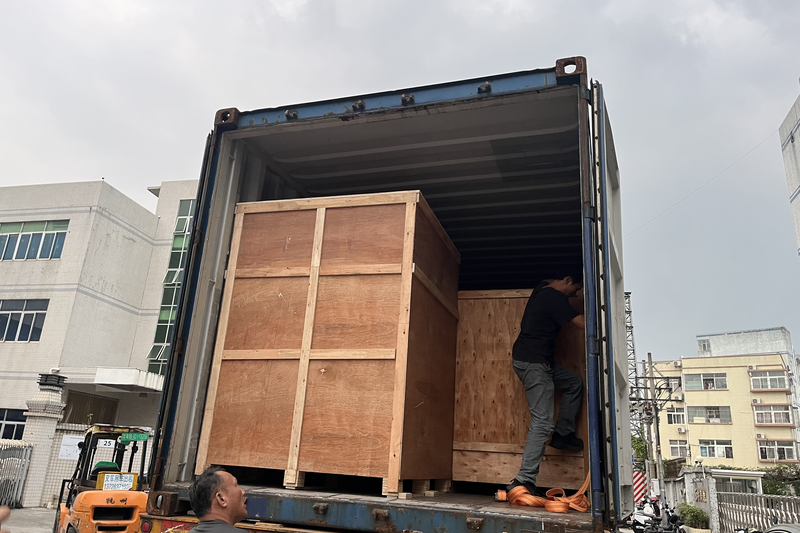
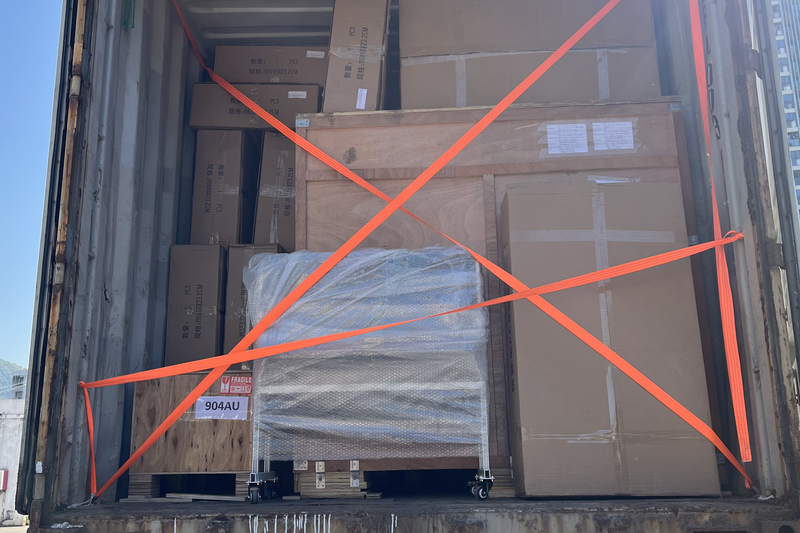
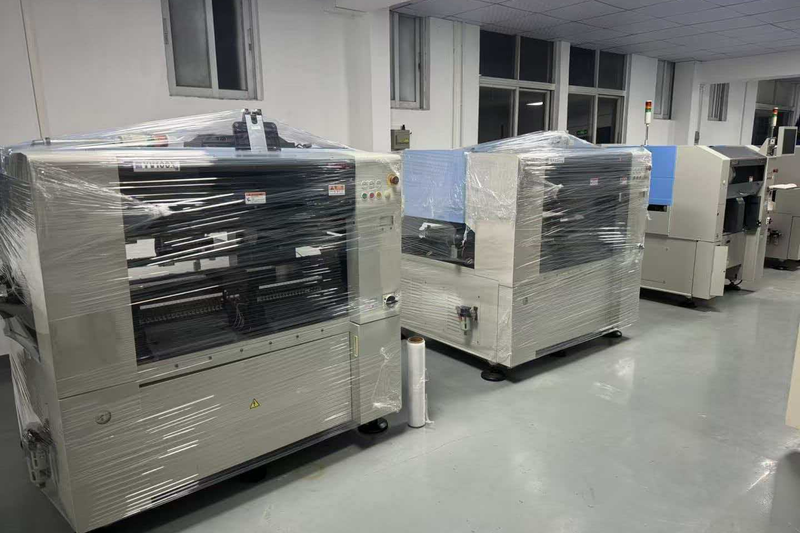
Share target assembly, process requirements, camera system, installed configuration and destination and inspection expectations. LCSMT can review whether an actual TRI TR7600 SIII Family configuration is a practical match.