Buyer decision 1
The best two numbers may not describe one setup
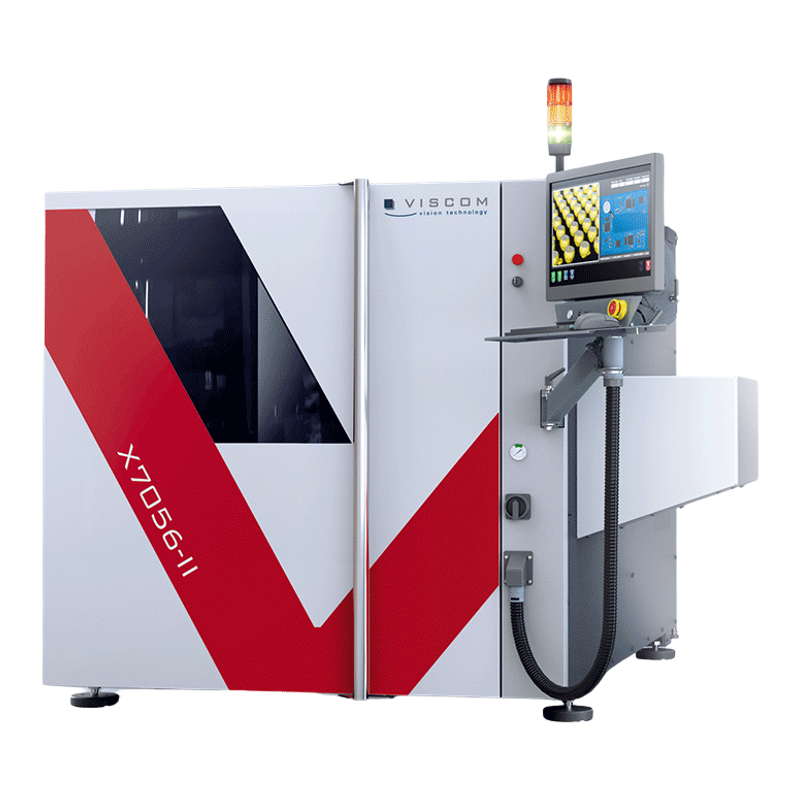
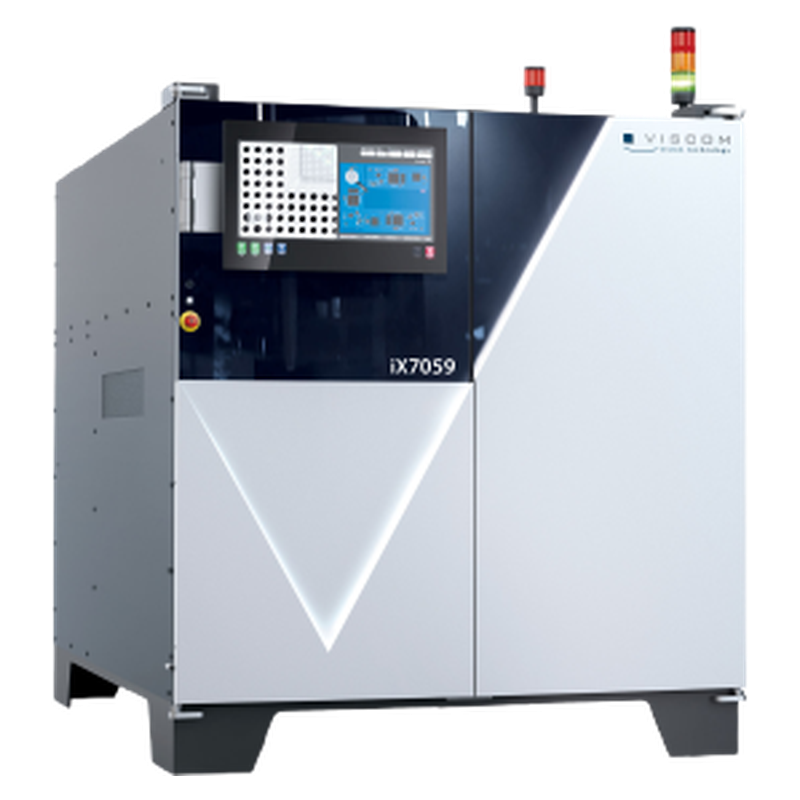
A minimum imaging-resolution figure and a maximum clearance figure can come from different rows of an AXI table. TRI’s SIII and TL SIII sources explicitly associate clearances with imaging choices. The buying question is whether the offered configuration can inspect the target hidden joints while safely handling the complete populated assembly. Start with the actual board, not a sample image from a detached component. Keep the selected mode and its corresponding geometry together throughout the enquiry and trial.
Buyer decision 2
Build a hidden-joint and handling map
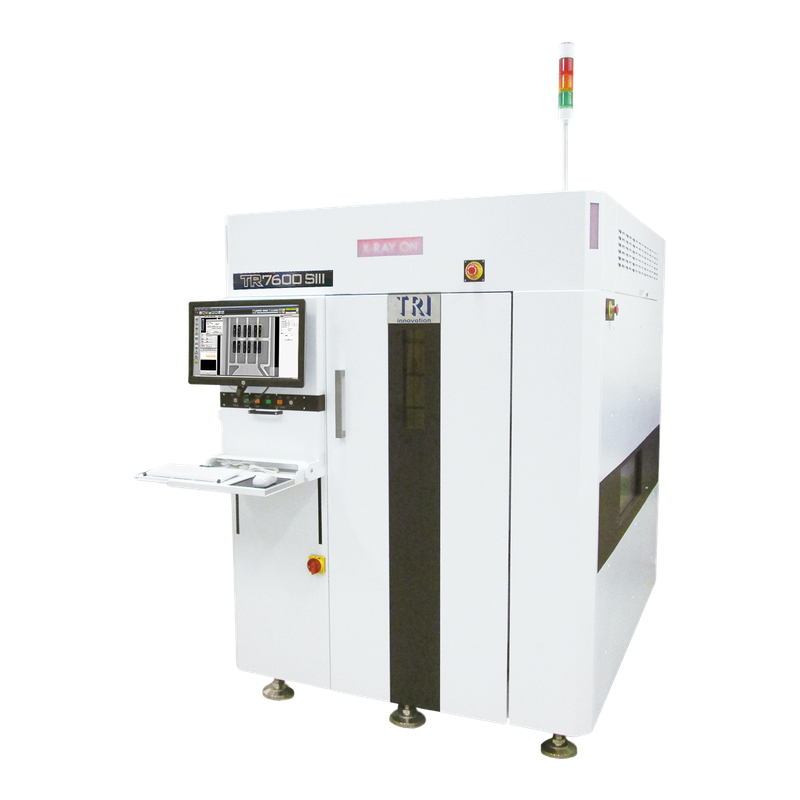
Identify board outline, loaded mass, support edges, underside protrusions, tall components and the joints that cannot be assessed optically. Include double-sided overlaps and packages whose neighbouring structures complicate interpretation. Ask the supplier which detector arrangement, image mode and board support address that map. A large nominal board envelope does not establish support for every loaded assembly. The standard SIII and larger TL SIII limits are separate; do not silently borrow one variant’s handling range for another.
Buyer decision 3
Identify what reconstruction is actually included
The SIII family describes 2D, 2.5D and 3D slicing, with planar CT presented as optional. Ask which modes and licenses are fitted to the offered serial and which will be used on the sample. Request representative images of the agreed joints and document acquisition conditions. A screenshot labelled CT does not establish the installed option or the detection capability required for another package. Have qualified inspection personnel define how the selected evidence will be interpreted and which ambiguities remain.
Buyer decision 4
Agree defect evidence before timing the line
Select known acceptable examples and independently characterized defects appropriate to the target joint type. Retain review decisions, false calls and missed examples as well as attractive images. Ask what can be distinguished reliably when structures overlap and what needs another method. Do not make every visible void or grey region an automatic rejection without an agreed criterion. Image quality, defect discrimination and production disposition are related but different decisions; this framework supplies no universal joint-quality or safety acceptance threshold.
Buyer decision 5
Measure complete inspection and verification work
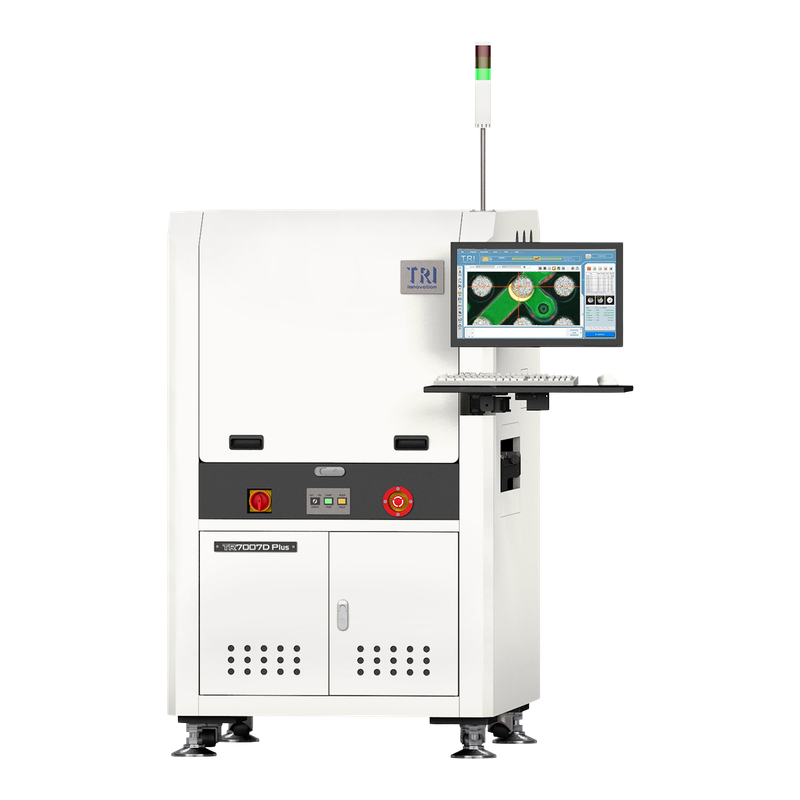
Record board transfer, acquisition, reconstruction and review under the demonstrated mode and program. Include intervention and exceptions rather than timing only the fastest scan. Compare the required line rate with the demonstrated sample conditions. A 100-percent-coverage design statement does not prove every requested defect is detectable at your production rate. If program or imaging changes are needed to improve a difficult joint view, repeat the timing and keep the revised conditions with the evidence.
Buyer decision 6
Make qualified system checks part of purchase scope
Request the applicable source, detector, maintenance and protective-system records for the actual machine. Have responsible specialists assess installation and X-ray safety requirements; do not bypass interlocks or remove protective arrangements for an acceptance video. A public supplier listing or clear image establishes neither compliance nor remaining source life. Identify missing documents and service actions in the offer. The process demonstration and the required safety assessment are separate gates, both of which need appropriate real-unit evidence.
Buyer decision 7
Write the conclusion with its boundaries
The final pack should identify the serial, variant, detector and mode, clearance/handling configuration, inspected samples, image-review outcome, full cycle and outstanding service or documentation. Its conclusion applies to that package mix and setup, not every future hidden joint. Common mistakes are combining catalogue maxima, assuming CT is standard and equating a sharp isolated image with production coverage. Remedy them through a configuration-matched trial. SPI reference context is linked here to distinguish paste measurement from inspection of hidden reflowed connections.
Technical Sources
Manufacturer context and limits
Checked 5 October 2026. Published model facts support the examples; the acceptance framework is buyer guidance, not claimed LCSMT field-test evidence.