12 MP base system
YRi-V
- Sampling
- 12 / 7 / 5 micrometres
- Camera
- 12 MP top camera
- Boundary
- Identify exact lenses, projections and unit utilities
SMT equipment sourcing · inspection · packing · global delivery
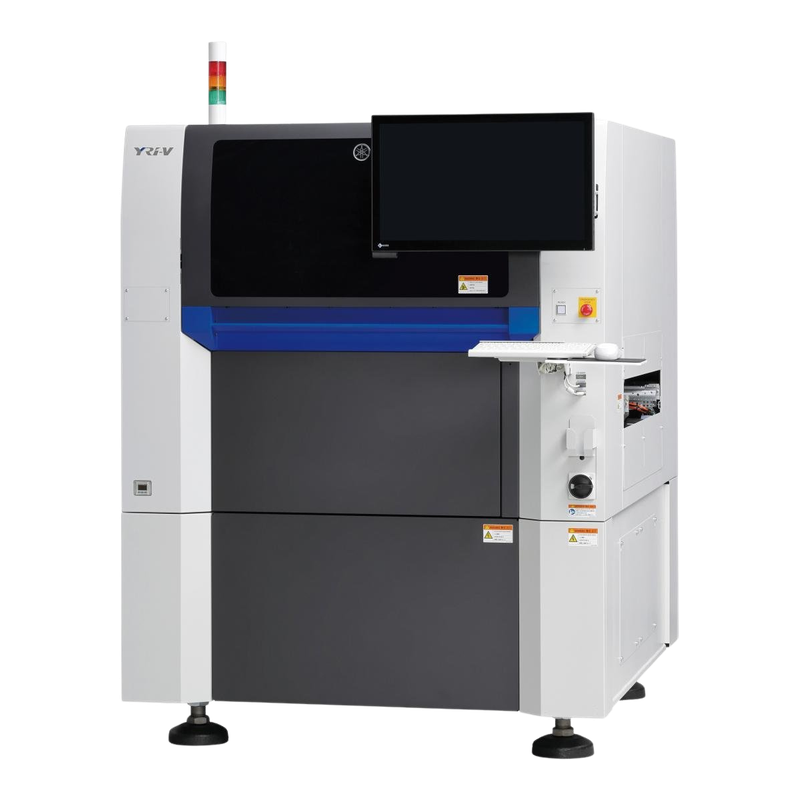
Yamaha YRi-V is a hybrid 3D AOI family for visible component and solder inspection. This page compares the 12 MP base system and 25 MP TypeHS, using an explicitly identified TypeHS reference photograph rather than implying every YRi-V has that configuration. Choose YRi-V by the visible defects, surface finish and populated-board handling you must verify. High optical sampling alone cannot establish hidden BGA solder connections, low false calls or throughput on an untested recipe.
Combine top-view 2D images, projected-light 3D measurements and fitted oblique views to inspect visible component position and solder shape. TypeHS can combine projection with a 3D line laser for reflective or transparent surfaces; prove the installed optical package on the actual board. Select by the actual board envelope, optical configuration and installation space—not the suffix alone.
12 MP base system
25 MP generation; representative photograph
Manufacturer evidence checked 2026-10-06; numbers remain version-specific. Figures describe standard model configurations, not stock or an offered unit. Dimensions are listed in the source order and exclude the tower light where stated. The representative YRi-V Family image is not proof of another version or an offered unit’s condition. Request nameplate, configuration and board-trial evidence before selection.
| Top-camera generations | YRi-V: 12 MP; YRi-V TypeHS: 25 MP |
|---|---|
| Optical sampling choices | Base: 12, 7 or 5 micrometres; TypeHS: 7 or 5 micrometres |
| Projection and oblique optics | 8/4 projector selection; published four-angle camera resolution 20 MP |
| 3d measurement range | Maximum 25 mm under optimum manufacturer conditions; not mechanical transport clearance |
| Current single-lane pcb envelope | 50 × 50 to 610 × 610 mm; 760 mm length is optional |
| Single-lane component clearance | Top 45 mm / bottom 85 mm; TypeHS 3D-laser option limits top clearance to 33 mm |
| Cabinet reference | 1,252 × 1,497 × 1,614 mm; base approximately 1,480 kg, TypeHS approximately 1,430 kg |
The offer must identify YRi-V/TypeHS nameplate, camera, lenses, projectors, coaxial lighting, oblique cameras, optional 3D laser, conveyor and licenses; Known-good and known-defect challenge, reflective and transparent parts, repeated measurements, false calls, full-board cycle, image retention and recoverable recipes.
Yamaha YRi-V Family selection should begin with production requirements and evidence, not with a model name alone.
A YRi-V enquiry should identify the smallest critical components, reflective packages, transparent parts and visible solder joints that drive acceptance. Supply known-good and known-defect boards with the permitted inspection limits. Keep the fitted lens, sampling, lighting, projection count and oblique views beside every result. Catalogue micrometres are image-sampling choices, not a guarantee that all defect modes are measurable. Inspectability must be demonstrated on the populated board, and optical AOI does not prove solder integrity concealed below opaque packages.
The base YRi-V and later TypeHS belong on one family page, but their 12 MP and 25 MP cameras are not interchangeable facts. The manufacturer describes a line-laser enhancement for reflective and transparent geometry on TypeHS. Ask for the actual camera, projector and laser identification plus a witnessed representative scan. If software proposes AI component-library matching, verify the installed release, licenses, review process and resulting inspection program. Do not treat an advertised or under-development AI function as available on every used serial.
The published 25 mm 3D measurement height is different from single-lane mechanical clearance. The current table states 45 mm above and 85 mm below the PCB, but the TypeHS 3D-laser option reduces above-board clearance to 33 mm. Measure the loaded assembly and its supports before making a fit claim. Current long-board length is an optional 760 mm; the June 2021 catalogue lists 750 mm instead. Keep that legacy option separate and confirm the offered machine manual, conveyor arrangement and transfer test.
Manufacturer speed figures use optimized conditions and four projections. Request a full-board cycle using the chosen projection, sampling, recipe and permitted review workflow rather than multiplying a camera-field rate into factory throughput. Retain repeated results, defect images, false calls and calibration alongside the cycle. Identify power from the offered serial: the current base and TypeHS tables specify different phase arrangements. Yamaha mainland offices in the model catalogue and independent Shenzhen Efficient Technology provide family enquiry channels only. Neither was contacted; offered stock, TypeHS availability, unit condition and license transfer remain unverified.
Yamaha YRi-V Family should be evaluated against the buyer’s combine top-view 2d images, projected-light 3d measurements and fitted oblique views to inspect visible component position and solder shape. typehs can combine projection with a 3d line laser for reflective or transparent surfaces; prove the installed optical package on the actual board. The final application fit depends on the evidence for the specific unit.
These questions keep the quotation scope connected to the buyer’s real SMT process.
Yamaha YRi-V Family buyers should confirm this with actual-machine evidence before quotation.
Yamaha YRi-V Family buyers should confirm this with actual-machine evidence before quotation.
Yamaha YRi-V Family buyers should confirm this with actual-machine evidence before quotation.
Before shipment, review the relevant power-on, movement, operating state and visible condition for the specific offered unit.
Request a dated operating sequence of the offered Yamaha YRi-V Family. The model-image control requests evidence, not playback of a recorded video.
Request a unit-specific Yamaha YRi-V Family list for serial-correct optical calibration references, conveyor supports, illumination service items and authorized programming/review backups. Availability is not claimed on this review page.
Provide target assembly, process requirements, top-camera generations, installed configuration and destination, required accessories and desired inspection evidence for the proposed Yamaha YRi-V Family.
Common questions for overseas buyers evaluating a Yamaha YRi-V Family.
Combine top-view 2D images, projected-light 3D measurements and fitted oblique views to inspect visible component position and solder shape. TypeHS can combine projection with a 3D line laser for reflective or transparent surfaces; prove the installed optical package on the actual board. Choose YRi-V by the visible defects, surface finish and populated-board handling you must verify. High optical sampling alone cannot establish hidden BGA solder connections, low false calls or throughput on an untested recipe.
YRi-V/TypeHS nameplate, camera, lenses, projectors, coaxial lighting, oblique cameras, optional 3D laser, conveyor and licenses. Request the exact nameplate and option list.
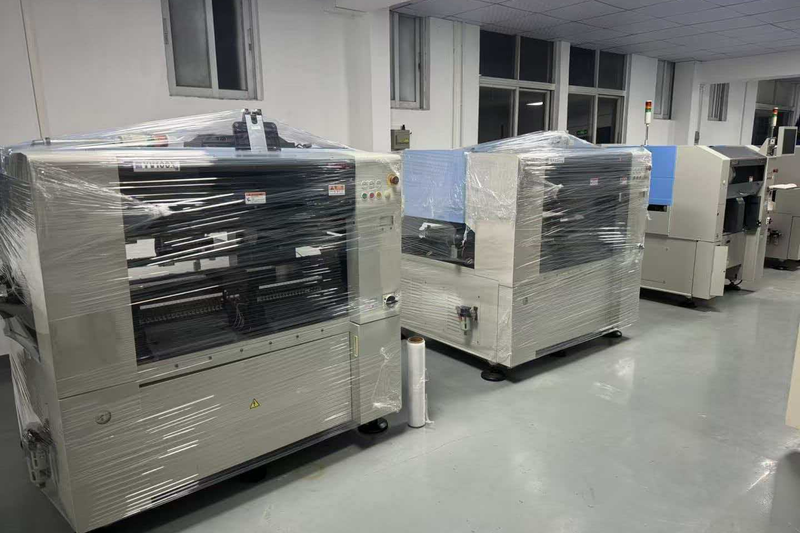
The Yamaha YRi-V Family illustration is model-reference imagery, not a dated stock photograph. Serial, location, condition, price and running evidence require separate confirmation.
The V3 scrolling proof gallery is retained. It describes LCSMT export preparation, not the condition of a particular Yamaha YRi-V Family unit.
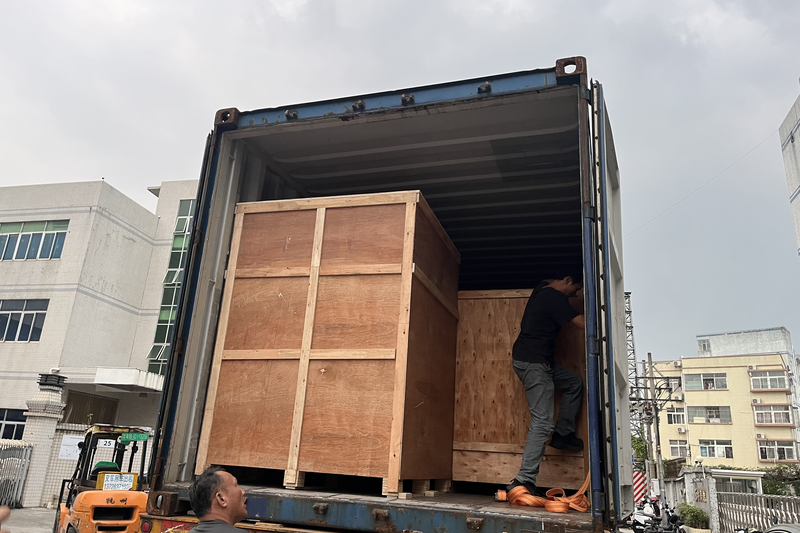
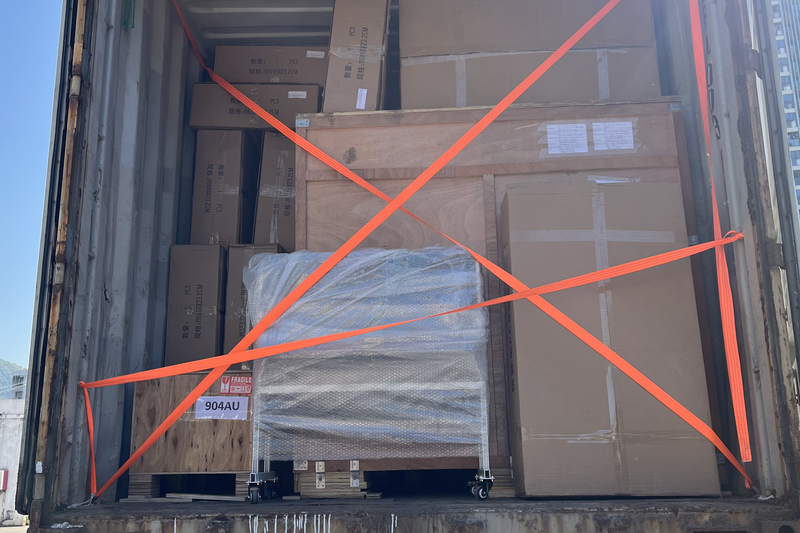
Share target assembly, process requirements, top-camera generations, installed configuration and destination and inspection expectations. LCSMT can review whether an actual Yamaha YRi-V Family configuration is a practical match.