
Buyer decision 1
A correct result can be routed to the wrong physical board
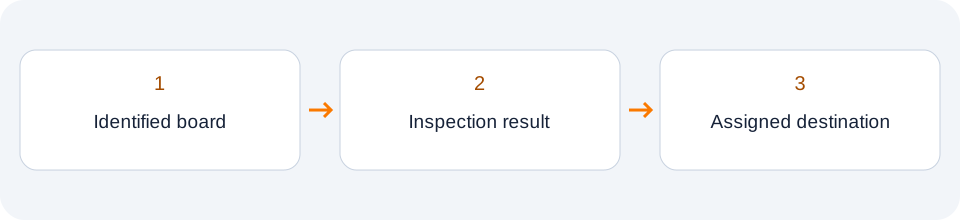
A reject conveyor does not create the inspection decision. It receives a result through the configured tester interface and acts on a physical board. If a board is removed, a transfer is repeated or the result queue advances at the wrong time, the decision can become detached from its intended assembly. Start by documenting the association method: an explicit identifier, a tracked sequence or another verified implementation. Ask who owns the result during every handoff. The presence of separate OK and NG destinations alone cannot prove this association.
Buyer decision 2
Choose the destination architecture deliberately
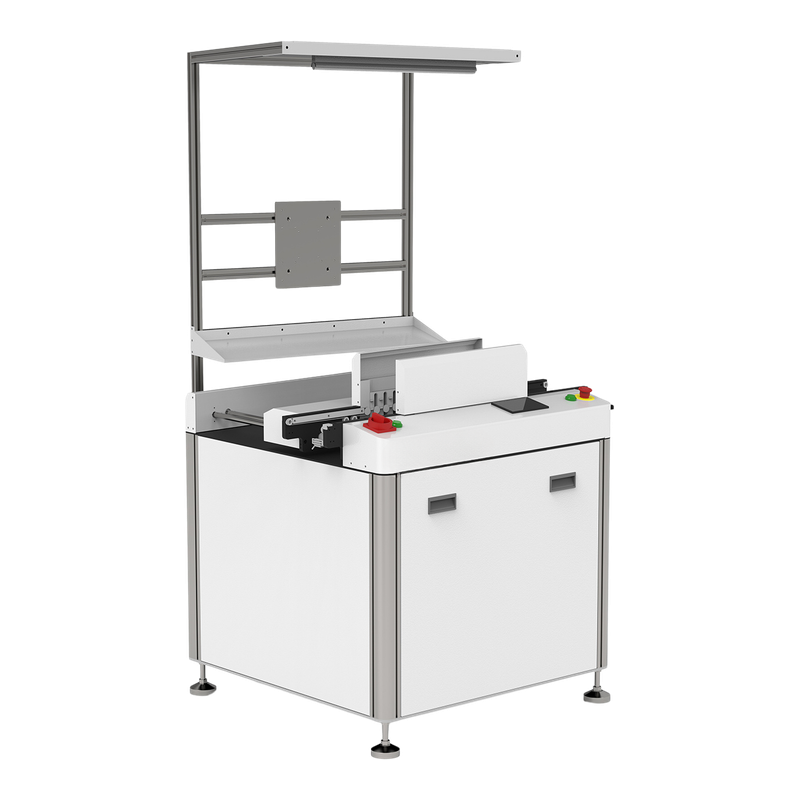
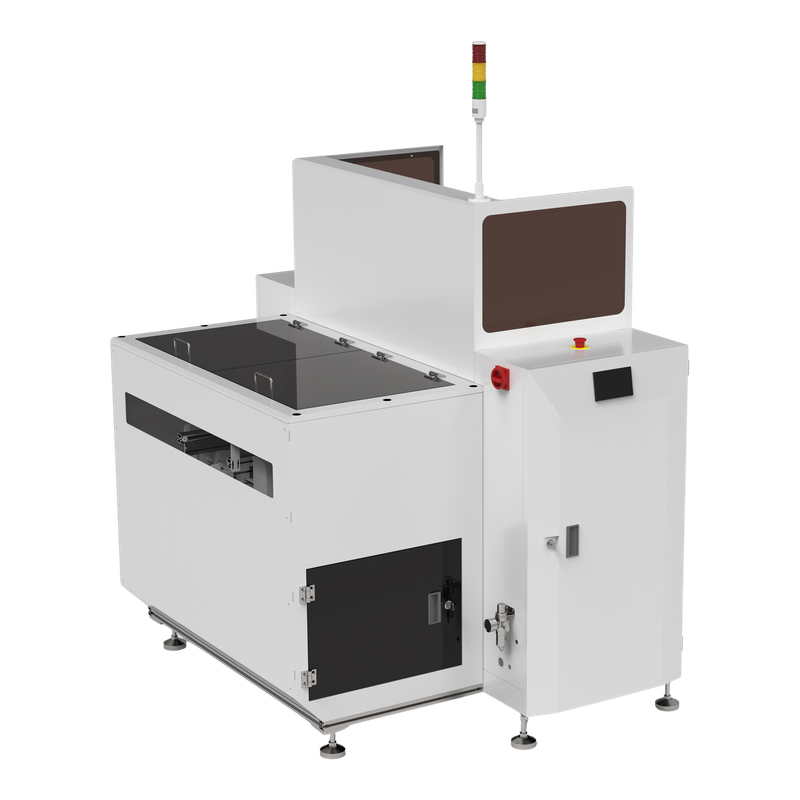
Compare a reject rack that holds boards for operator review with a sorting unloader that places boards into assigned magazines. Their capacity, access and recovery duties differ. Vanstron describes a five-board reference capacity for RE-460, whereas its DSUL family uses separate magazine destinations and offers different staging configurations. Those examples do not define a universal reject capacity. Specify whether failed boards require reinspection, repair, quarantine or operator acknowledgement, and confirm how that workflow affects the physical destination and available space.
Buyer decision 3
Prepare a labelled mixed-result trial
Number the trial boards and agree their expected decisions before the demonstration. Include OK/NG/OK, several consecutive NG results and a return from an approved reinspection path. Record the result identifier received by the handler and inspect the physical destination after every transfer. If the system depends on sequence rather than an explicit board ID, challenge a controlled pause and authorized operator removal. Keep the removed-board event in the record. Passing only a single reject board cannot reveal a result queue shifted by one position.
Buyer decision 4
Demonstrate unavailable and full destinations
Fill the reject destination or make the assigned magazine unavailable under the commissioning plan. Observe the held-board position, upstream inhibition, alarm and operator action. An NG board must not silently take an OK destination merely because the reject path is full. After clearing the destination, identify the pending board and verify that it retains the expected result. For magazine sorting, include the final available slot and the subsequent exchange. Capacity stated in a brochure is useful only when the actual assembly fits the selected spacing.
Buyer decision 5
Treat restart as part of the acceptance evidence
Agree a controlled stop and restart with the supplier, then document the physical board inventory before and after it. Check how the controller restores a pending result, how an operator identifies an uncertain board and whether a reinspection decision is required. Do not prescribe a universal restart policy without the installed controller documentation. Request the interface version, event log, alarm list and operating procedure for the offered system. A continuous run is only one state; it does not establish behavior after a communication timeout or interrupted transfer.
Buyer decision 6
Avoid claims the sorting mechanism cannot support
A witnessed routing sequence can demonstrate that the selected configuration sent the tested boards to their assigned destinations. It cannot establish the AOI defect coverage, repair quality or every future failure mode. Separate the inspection acceptance plan from the material-flow acceptance plan, then connect them through traceable board records. References to Hermes or another data interface describe possible communication context; installed options and result implementation still need evidence. This article supplies questions and a trial framework, without claiming LCSMT has tested an offered machine.
Technical Sources
Published context and applicability
Source-backed model examples support this buyer framework. No LCSMT field test, offered-unit result or stock is asserted.
www.vanstron.com · technical context