
Supplier evaluation
Keep the design reference traceable
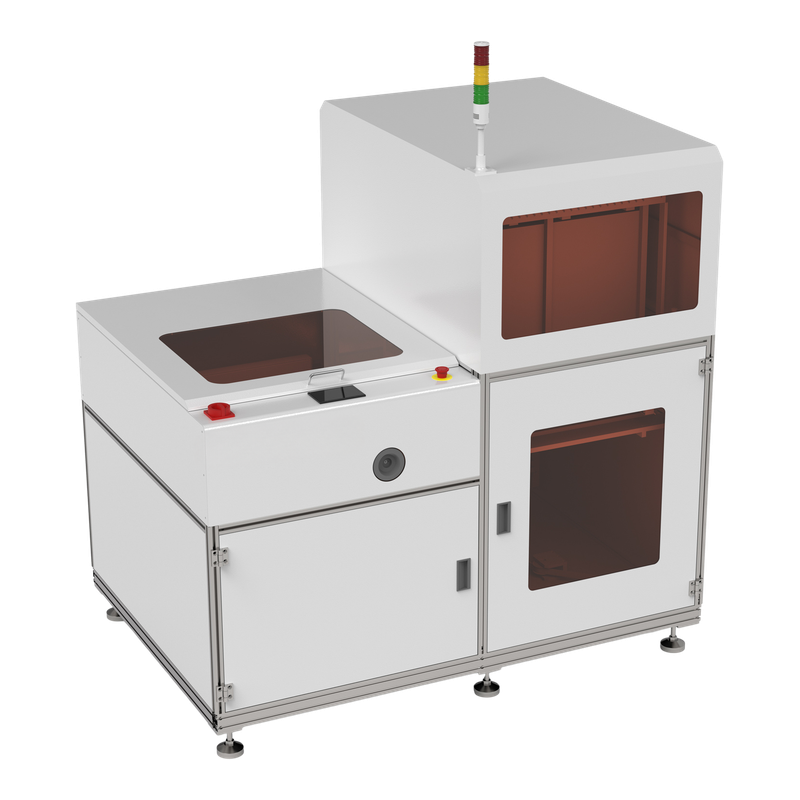
Start with the manufacturer or supplier product URL and the exact model or documented family name. Record the specification edition and image provenance. If a table conflicts with the description, retain the conflict and request clarification. A clean model-reference illustration is useful for comparing functions, but it cannot establish which controller, options or worn components remain on a particular used machine.
Supplier evaluation
Ask for dated evidence of the offered machine
Request the serial and nameplate, current location, dated whole-machine photographs and the included accessory list. Ask the supplier to state whether the offer is new, used or otherwise described, rather than inferring condition from a catalogue. Keep price, lead time and stock confirmation in the actual supplier quotation. A public China listing is a sourcing lead, not a guarantee of present inventory.
Supplier evaluation
Add a trial designed around your board
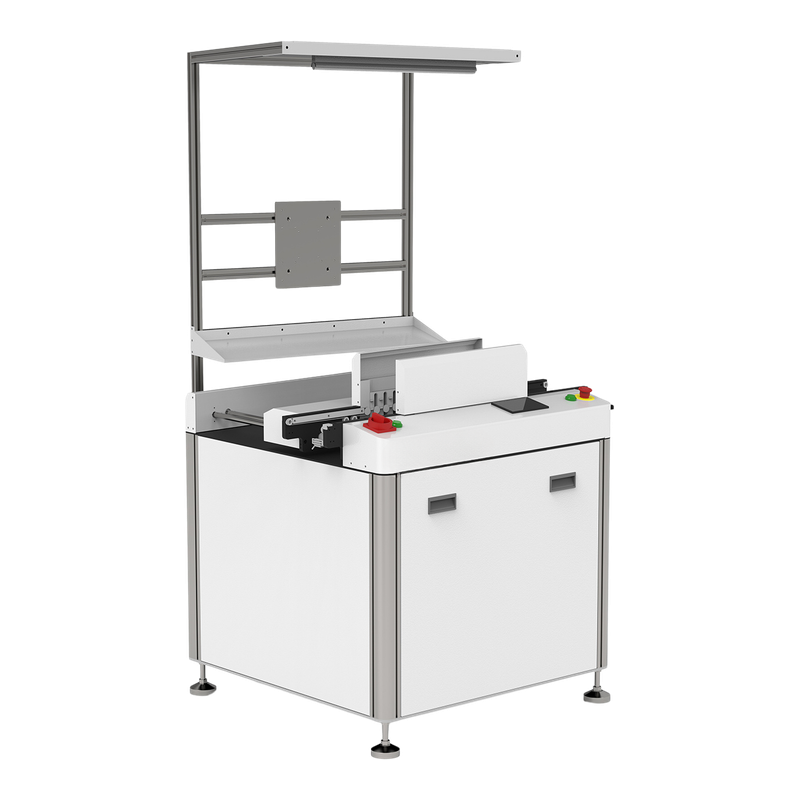
Supply the board envelope, carrier format, contact restrictions and intended transfer sequence. Request a recording that identifies the tested machine and representative boards. Include the important boundary for its role, such as magazine depletion or a held inspection result. A generic running video can leave the application question unanswered even when the machine motion appears normal.
Supplier evaluation
Record accepted scope and unresolved items separately
Compare offers using the same evidence checklist. Identify missing drawings, option confirmation, service information and application trials before selecting a unit. Preserve supplier identity when images are edited for presentation. Do not replace unresolved evidence with an attractive product page or a broad performance claim. The acceptance pack should explain exactly what was checked, what remains conditional and which offered machine it concerns.
Technical Sources
Reference functions and configuration boundaries
The manufacturer references below support the equipment examples. The purchasing questions are an editorial decision framework, not measured LCSMT results or a machine-specific acceptance limit.