
Board orientation
Use an orientation record that survives a layout change
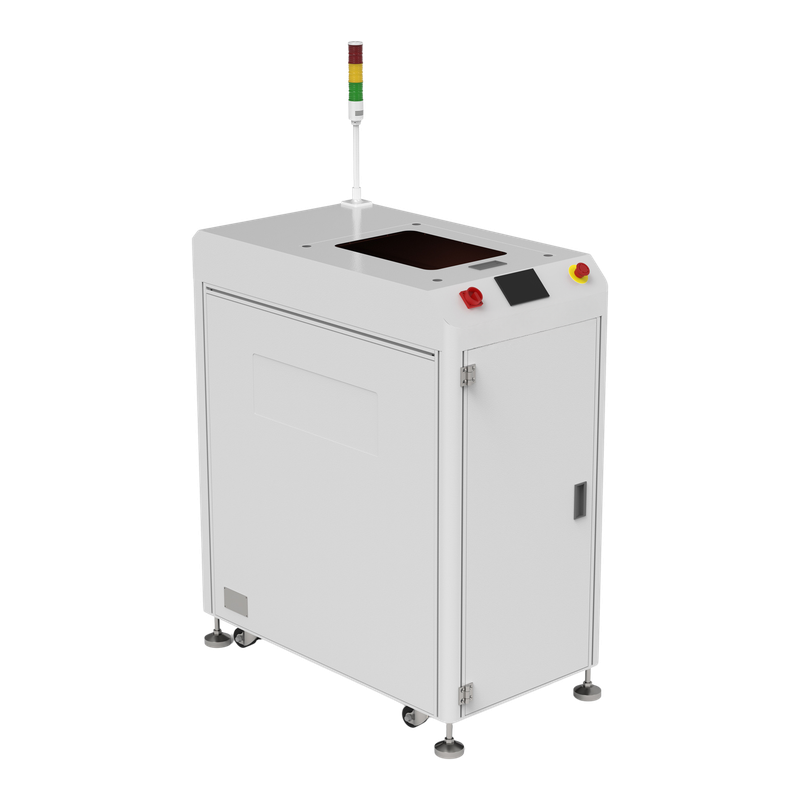
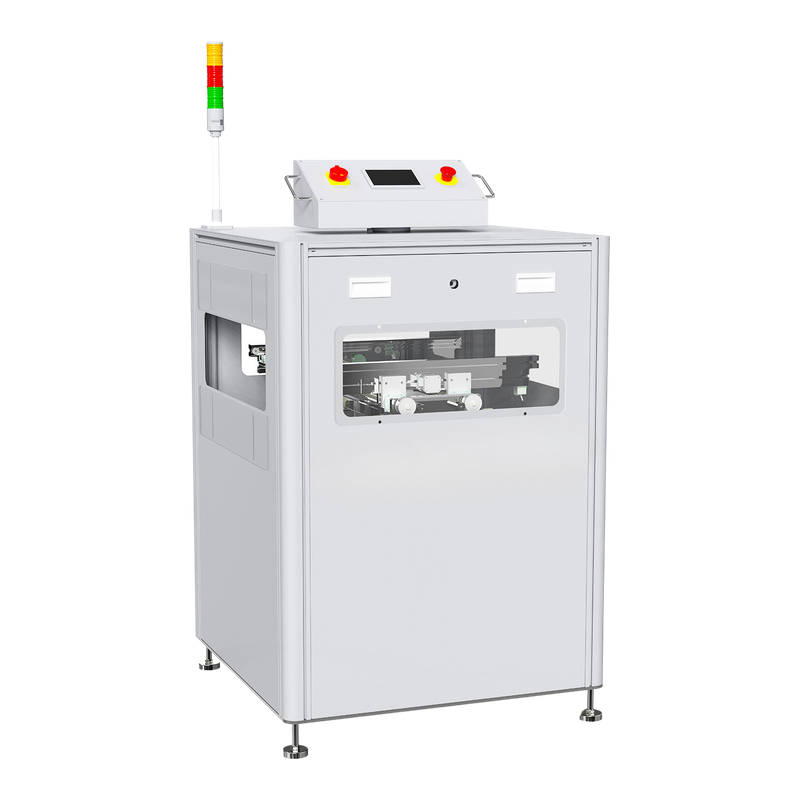
Label the board faces A and B and mark a named leading edge on the drawing. Add the fixed-rail reference at entry and exit. A flipper changes the upward-facing side; a corner-transfer arrangement can change the travel relationship to the receiving line. Describe each independently. An informal statement such as turn the board is insufficient when the next machine program depends on a specific face and edge.
Board orientation
Match the handoff to the receiving-machine recipe
Ask the process owner to verify the expected face, fiducials and board-origin convention for the receiving program. Keep this program check separate from a successful mechanical transfer. A board may arrive without collision yet carry the wrong orientation for its next operation. Request the relevant recipe identifier and setup drawing; do not claim software compatibility merely because the handling equipment supports a familiar interface.
Board orientation
Follow one identified board through the full sequence
Use a clearly identified representative board and record entry, movement and exit through the supported observation points. Confirm its final face, leading edge and receiving-rail relationship against the agreed drawing. Include the normal recovery sequence after a controlled interruption when required by commissioning. Track whether any manual intervention changes the orientation record before the board re-enters production.
Board orientation
Put orientation into the acceptance and changeover pack
Retain the layout revision, board drawing and receiving recipe with the trial evidence. Make any manual turning step explicit in the work instruction. A transport-mode change or a moved machine can invalidate the original orientation assumption. The model illustrations identify reference functions; they are neither a machine-layout drawing nor evidence that a particular receiving program has been qualified.
Technical Sources
Reference functions and configuration boundaries
The manufacturer references below support the equipment examples. The purchasing questions are an editorial decision framework, not measured LCSMT results or a machine-specific acceptance limit.
Vanstron · PCB Flipper Conveyor for SMT Production Line
Vanstron · 90 Degree Turning Conveyor for PCB in The SMT Line