
Inspection routing
List the result states separately
Define the ordinary pass and reject states, then add missing result, late result and board-identity mismatch. Ask the quality owner to decide which material should be held for review. Do not replace this decision with an assumed default pass. A reject conveyor reference identifies a routing function but does not establish the meaning of every result state in the installed inspection and handling controllers.
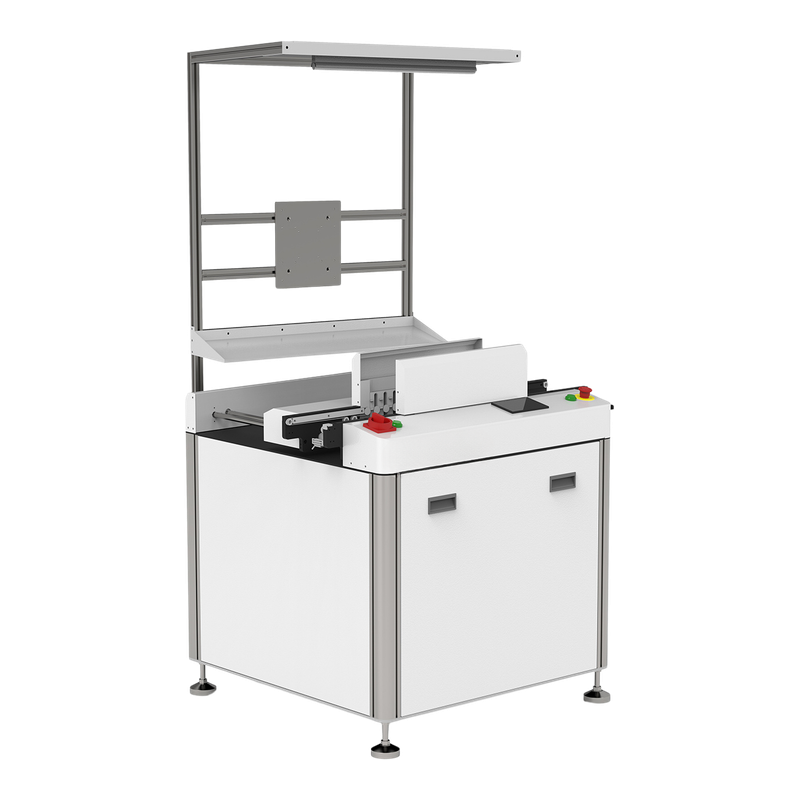
Inspection routing
Identify where the result meets the board
Request the actual interface definition and the identifier used to associate a result with a physical board. Keep transfer permission separate from inspection disposition. A board-ready handshake is not, by itself, a documented inspection result. Ask which component retains the association during a pause and where an operator sees a mismatch. Preserve the supplier drawings and interface revision with the quote.
Inspection routing
Use the vendor-supported diagnostic procedure
Agree a commissioning test for each permitted abnormal state with the inspection and handling suppliers. Use their supported method to create or simulate the condition; do not improvise cable removal during motion. Record the board identifier, result state and observed destination or hold position. Confirm the approved recovery sequence before the board is released. A normal pass/reject clip leaves these exception states untested.
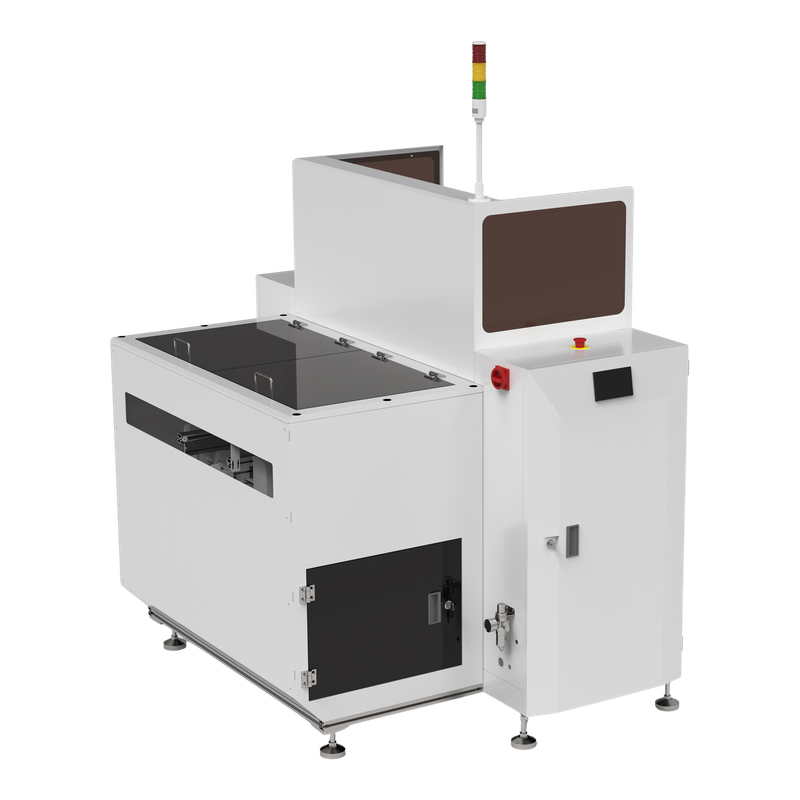
Inspection routing
Document who can resolve a held board
Assign authority for reviewing and releasing held material. Record the reason and any reinspection or corrected association. A cleared alarm does not automatically constitute quality disposition. Request the exact controller behavior and access permissions for the offered unit. Acceptance should retain the abnormal-state results alongside ordinary routing evidence, without claiming that a generic model catalogue proves the installed policy.
Technical Sources
Reference functions and configuration boundaries
The manufacturer references below support the equipment examples. The purchasing questions are an editorial decision framework, not measured LCSMT results or a machine-specific acceptance limit.