
A replaced feeder is not yet an explained fault
A feeding problem may arrive as a vague note about missed pickups. Before moving, cleaning or exchanging the feeder, preserve its identity and setup context. Otherwise the next person may not know what was observed or changed. A replacement can restore production while leaving the original diagnosis unresolved.
This article proposes a handoff for collecting evidence before a service decision. It is not a machine adjustment procedure. It uses the local AN05HP and W08F catalogue references as identification examples; neither example proves the condition of a particular feeder or establishes a common maintenance method across brands.
Missing context can make unlike events look identical
A useful record distinguishes the reported symptom, the feeder identity, the tape or reel involved, the machine configuration and any action already taken. Without those fields, a later comparison can mix a different component, supply item, feeder position or setup with the original report. The framework does not assume that any one of those factors caused the problem.
JUKI's preventive-maintenance information describes scheduling work and retaining inspection history. That supports keeping a traceable maintenance record; it does not supply the service limits for these catalogue feeders. The owner of the actual machine still needs its applicable instructions and a responsible person to interpret the evidence.
Create one handoff record before intervention
Identity: record the complete feeder code and revision, machine identity and position. Add readable label and interface photographs; do not replace a missing label with a visually similar catalogue code.
Observed event: describe what the operator saw and when it occurred. Preserve available machine-authorized diagnostic records, with the original wording rather than an invented failure cause.
Material and setup: retain the actual tape/reel identification and relevant job context. Record which details are missing so later comparisons do not imply that every condition was held constant.
Action and decision: state what the applicable procedure permits, who will perform it, and what documented result is needed before return to use. Record the action actually completed and the remaining uncertainty.
Separate a useful comparison from a guessed repair
Ask the responsible service team whether a controlled comparison is appropriate and how it should be performed on that machine. Preserve the identities of any exchanged items and the conditions that changed. A different outcome can inform diagnosis, but it should not be overstated as proof of a single cause when several conditions changed together.
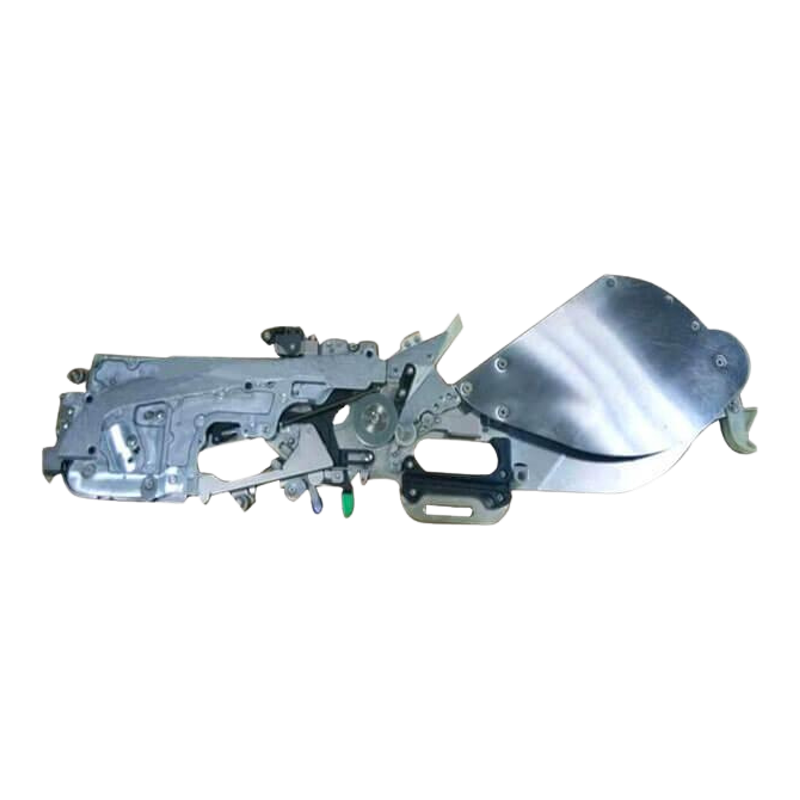
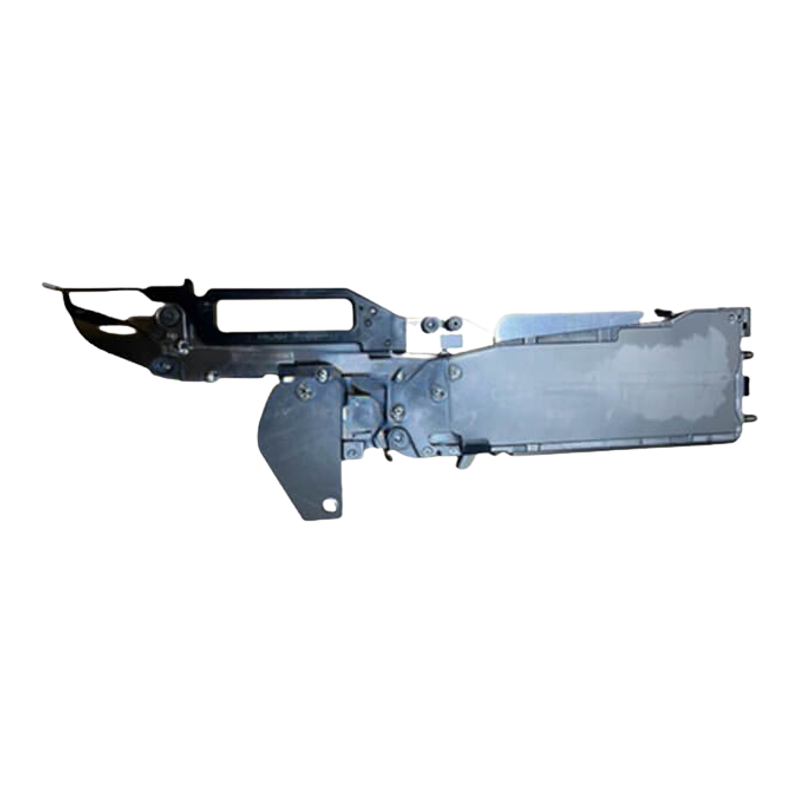
The AN05HP / E1005706AB0 reference shows why naming needs care: the supplier uses ATF in a heading and AF in its catalogue table. Resolve the installed identification before applying a series-specific procedure. The W08F ordering comparison separately records whether a reel holder is included; a maintenance handoff should likewise retain which assembly and accessories were actually examined.
If diagnosis points toward a replacement, pass the fault record into the purchasing request. State the required identity and evidence. Do not reduce the request to another 8 mm feeder. An unresolved diagnosis can remain explicitly unresolved while the production and service teams decide the next safe step.
Avoid maintenance records that imply more than happened
Do not copy a cleaning solvent, lubricant, adjustment value or interval from a different feeder family. Do not call a cleaned feeder calibrated when no documented calibration was performed. A photograph of an intact assembly is identification context, not a functional result. A supplier's catalogue availability also says nothing about whether the installed feeder should return to service.
Keep the before-service record after the action is complete. A useful closure states the applicable acceptance procedure, the result obtained, who reviewed it and what remains limited. If that evidence is missing, use a pending status rather than marking the feeder ready solely because the maintenance ticket needs closing.
Close the maintenance issue only against the actual procedure
This workflow can improve the clarity of a handoff; it does not diagnose a feeder remotely or provide universal release criteria. Mechanical and electric feeders, interfaces, tape formats and machine configurations need their own applicable documentation. Electrical, mechanical and pneumatic interventions must follow the equipment's service and isolation requirements.
For the buying side of the same problem, use the feeder selection and quotation checklist. Keep maintenance records, exact-code matching and the supplier's offered-item evidence separate, then connect them in the final acceptance decision. Other source-bounded guidance is available in SMT Classroom.
Technical sources and catalogue examples
OEM maintenance-history context and supplier identification examples have different scopes; neither establishes an offered unit's condition.
JUKI: preventive maintenance and inspection history
Juki ATF 8x2mm Feeder AN05HP E1005706AB0
FUJI NXT III 8mm Feeder W08F with 7'' reel holder 2UDLFA001000