
A replaced guide is not a completed acceptance record
A repair invoice can identify a guide or mechanism that was changed while leaving the production decision unresolved. Which feeder was repaired, which setup was assessed and what evidence supports its return? A photograph of the new piece answers none of those questions by itself.
Before placing the repair order, agree the handover with the responsible maintenance team. This article suggests what information to retain. It does not instruct an operator to adjust the feeder, run a calibration jig or restart a machine.
Use the correct calibration reference
JUKI describes its feeder calibration jig as a tool for periodic pickup-position adjustment. That supports asking whether a relevant calibration check belongs in the service scope. It does not establish a universal interval, adjustment value or fixture for every mechanical and electrical feeder.
Identify the applicable feeder instructions and the jig or assessment method that the responsible team accepts. A reference to a JUKI tool is not approval to apply that tool to another brand. Where no suitable method has been established, retain the gap rather than changing the handover to “calibrated.”
Record the assembly and the setup separately
- Repaired item: record the feeder ID, complete available designation, actual repaired position and the guide or mechanism changed.
- Required setup: retain the tape-width and feed-configuration requirements relevant to the job. A family name alone may span several setups.
- Assessment basis: identify the applicable instruction, method or fixture, who performed the check and when.
- Actual outcome: retain the observations or supplied results against that basis, the acceptance decision and unresolved items.
The record should connect to the individual feeder through its actual identifier. Do not transfer a result to another unit merely because it is the same family or was in the same repair shipment.
Keep the replacement piece out of the calibration identity
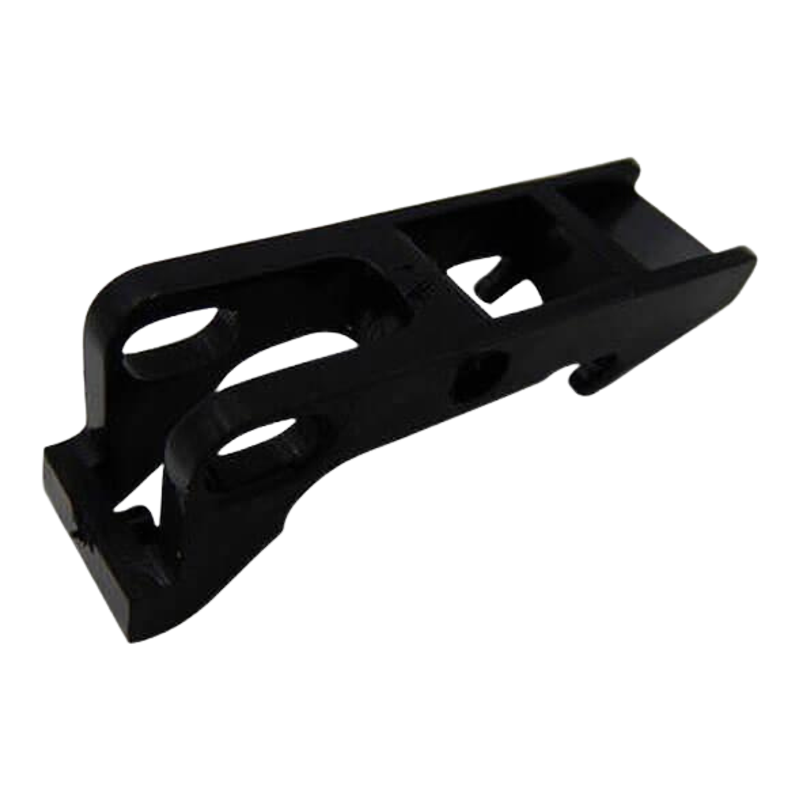
The KHJ-MC145-00 guide illustration describes a loose repair item. It does not identify a complete feeder that has passed a test. Keep the new piece’s purchasing reference alongside the repaired feeder’s own identity, instead of replacing the latter with the invoice description.
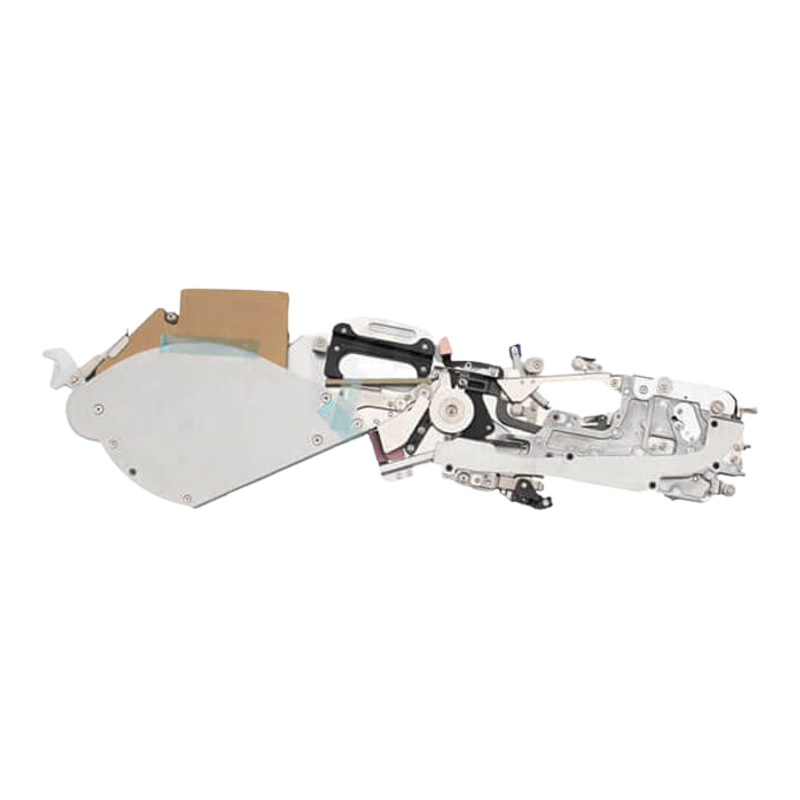
The EF family reference presents another boundary: a width list and a representative photograph do not establish the exact assembly checked. The handover needs the particular feeder and setup, not a result headed only “EF feeders.”
Resolve an incomplete handover before relying on it
If the service report names a method but supplies no outcome, ask the assessor what result and acceptance basis are available. If the report identifies no feeder, recover the identity before allocating it to a production requirement. A buyer can organise missing documents; an authorised maintenance assessor must make the technical acceptance decision.
Keep the original complaint, work performed and post-work observation in separate fields. A symptom disappearing after several changes does not prove which part caused it. Equally, a catalogue photograph showing an intact guide is not evidence about a repaired unit.
Make the record useful for the next repair
Retain the accepted assembly reference and assessment scope with the feeder’s history so a later reorder does not lose the link between hardware and setup. The CF reference group illustrates why full designations matter: several differently named entries can sit under a common heading.
No numerical tolerance, maintenance interval, lubricant or operating sequence is specified here. Those belong to the applicable product and machine instructions. The useful result is a traceable decision that distinguishes a documented assessment from a repair that still needs follow-up.
Technical sources and catalogue examples
JUKI describes a calibration jig for periodic feeder pickup-position adjustment. Supplier entries identify the pictured examples only. The proposed record below is a purchasing and maintenance handover framework, not a calibration procedure or a cross-brand fit claim.
JUKI Feeder Series: feeder calibration jig and feeder types
YAMAHA SPARE PARTS SS FEEDER LEVER TAPE GUIDE F KHJ-MC145-00 KHJ-MC145
JUKI Mechanical Feeder CF series AQ02HP CF03HPR CF05HPR CF08HER CF081PR