01 / Buying & RFQ
A series name starts a search; it does not finish an order
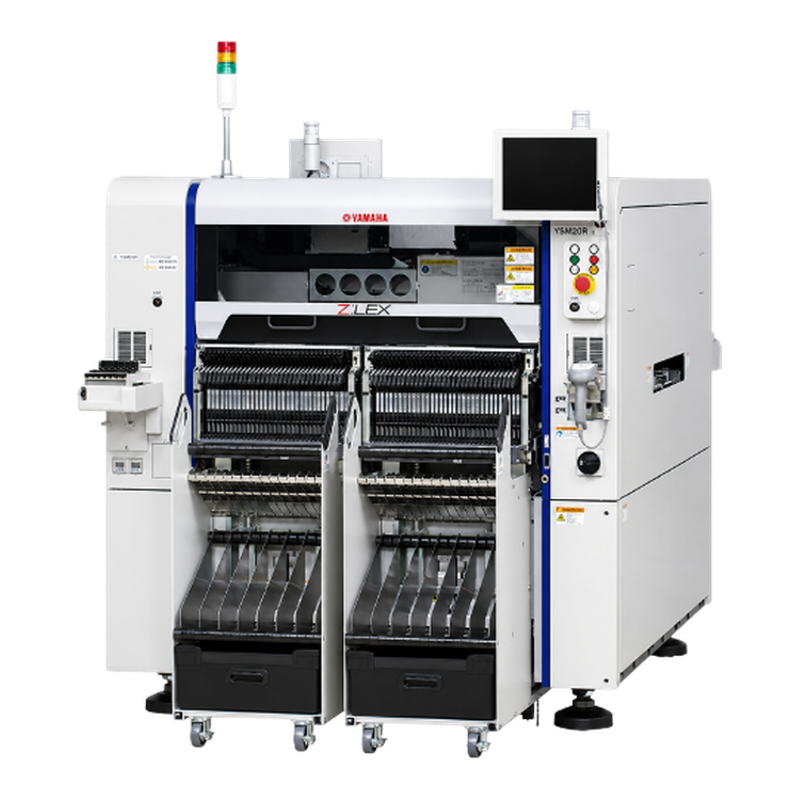
“Yamaha 300 nozzle” or “FUJI NXT nozzle” helps locate a catalogue family. It leaves important ordering questions unanswered: which complete part code, which revision, which installed head and which component requirement? A useful quotation must preserve those distinctions so that a convenient browsing category does not become an unsupported compatibility claim.
This guide proposes an evidence matrix for a replacement purchase. The accompanying local product drafts contain supplier-listed identifiers and visible gaps. They are not approved fit certificates, current stock offers or proof that the pictured parts are genuine.
02 / Buying & RFQ
Separate four kinds of match
Catalogue identity: a retained source names a model and ordering reference. Photo identity: the photograph belongs to that source-listed item, with any unreadable marking disclosed. Installed fit: applicable documentation connects the exact code and revision to the actual head. Process suitability: the selected tip meets the documented component and process requirement. Passing the first two does not automatically establish the last two.
FUJI describes identifier, motion, tip and flow checks as distinct parts of nozzle assessment. JUKI describes management of individual nozzle maintenance history. These OEM examples support asking for traceable identification and condition evidence; neither source establishes interchangeability among the catalogue references used in this article.
03 / Buying & RFQ
Build the enquiry around fields that can be answered
| Field | Evidence to retain | If missing |
|---|---|---|
| Exact identity | Complete part code, prefix, suffix and revision; original label photograph | Ask for clarification before accepting a substituted code |
| Installed context | Machine and head identifiers, installation position, applicable parts-manual reference | Keep fit unverified; do not infer it from a platform name |
| Component requirement | Relevant component dimensions, contact constraints and applicable process documentation | Request engineering review rather than choosing by the largest available tip |
| Supplied item | Maker, condition, quantity, included items, matched photographs and inspection evidence | Distinguish a catalogue lead from a unit ready for acceptance |
For a repeat order, preserve the original approved reference and any revision change in the purchase record. For an alternative supplier or maker, ask for the applicable drawing and acceptance evidence. A seller's use of “compatible” is a claim to investigate, not the final technical approval.
04 / Buying & RFQ
Use differences in the catalogue to ask better questions
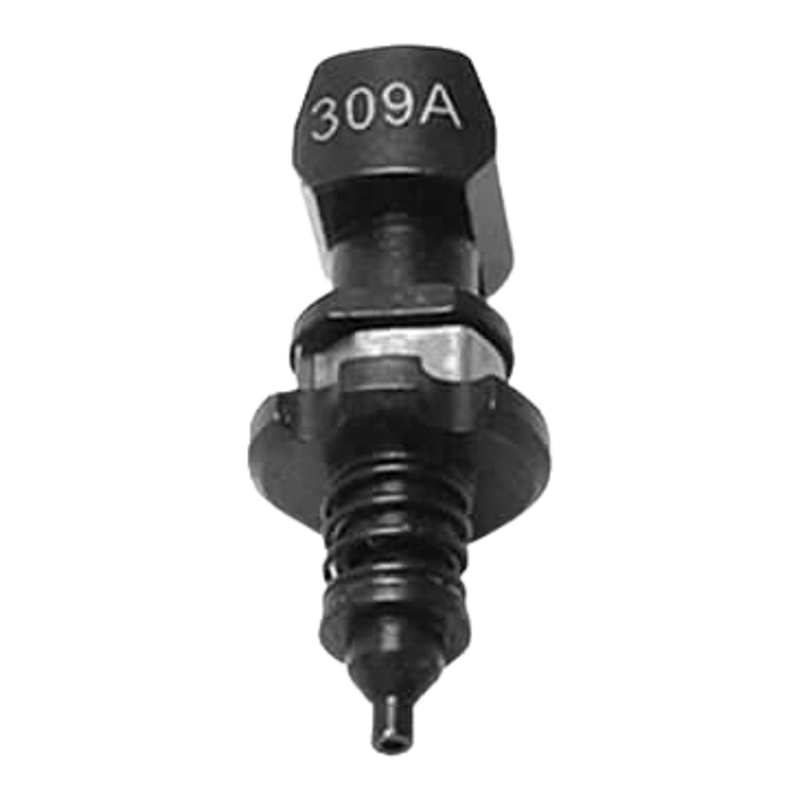
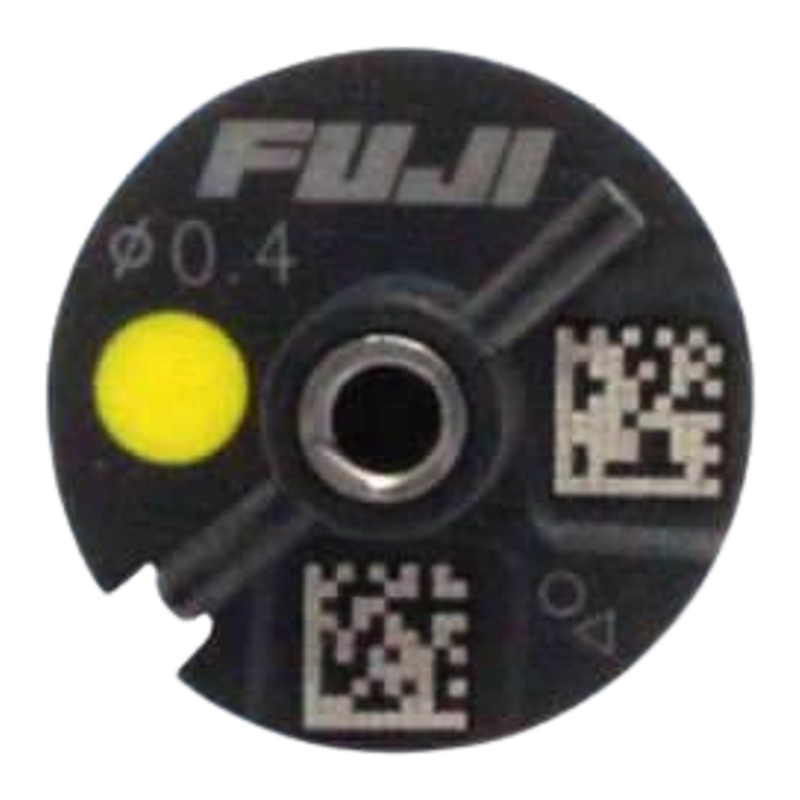
The local Yamaha 300-series review distinguishes 309A / KHN-M7790-A1X from a separately listed 301A reference. It does not treat them as substitutes. The local FUJI H08 / H12 review retains AA05600 with R07-004-070 and a separate AA05700 listing. Those examples show how to preserve identifiers; the drawings and installed-head fit still need confirmation.
When a supplier gives two identifiers in one heading, ask what relationship is claimed: alternative formatting, a revision, a cross-reference or different items sold from one page. Do not silently collapse the codes. Where written dimensions contradict each other, withhold the dimension and request a corrected drawing. A neat specification table does not repair inconsistent source evidence.
A practical enquiry can read: “Please quote [complete code and revision], quantity [number], for [machine and head]. Attached are the installed label and interface views. Confirm supplied maker and condition, any proposed code change, included items, traceable inspection evidence and the basis for fit.” This is a suggested request structure, not a confirmation that a particular supplier can provide every record.
05 / Buying & RFQ
Ask for useful angles rather than duplicate thumbnails
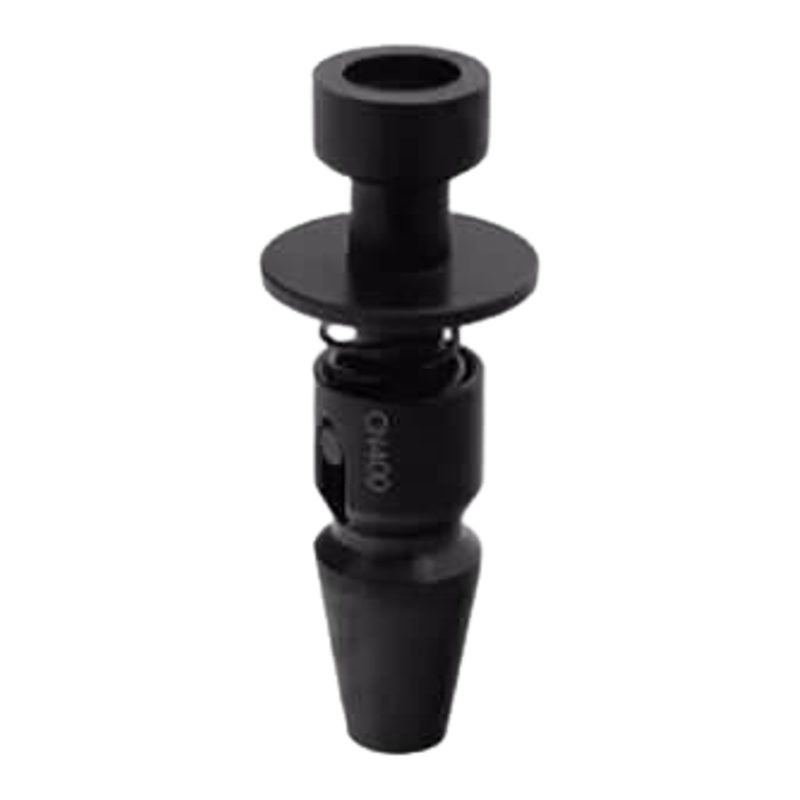
Request an overall identification view, a readable marking or package label, a contact-face view and an interface view relevant to the installation. A second crop of the same photograph is not a second angle. Keep a photograph tied to its exact code; an unpictured sibling can remain in the variant table with its image slot empty.
Catalogue photos explain shape and ordering context. They cannot establish the condition of a particular delivered unit, and background removal cannot reveal a hidden bore or verify a dimension. Keep original files and supplier records so any crop or processed version can be traced back. For local drafts with insufficient resolution or unconfirmed rights, complete that media evidence before publication.
06 / Buying & RFQ
Define acceptance before selecting the lowest quote
Price comparisons become useful after the quoted items describe the same requested evidence and scope. A low quote with an unresolved code or revision cannot yet be compared as an equivalent replacement. Ask the responsible engineering or service team to define the applicable acceptance criteria, then retain the agreement alongside the purchase record.
This article does not certify a nozzle, recommend a universal tip size or establish an OEM-approved substitute. Use the maintenance evidence handoff when the purchase follows a fault, so the replacement request retains the reason the original part was removed. Machine-specific fit and process acceptance remain technical decisions for the actual equipment.
Technical Sources
FUJI: Smart Nozzle Cleaner — OEM inspection or maintenance-management context; not a cross-brand cleaning recipe or a fit certificate.
JUKI: Preventive maintenance — OEM inspection or maintenance-management context; not a cross-brand cleaning recipe or a fit certificate.
Reference images do not establish current stock, installed fit or functional test results. Confirm these separately for the item offered.