Buyer decision 1
Name the joints that motivate vacuum
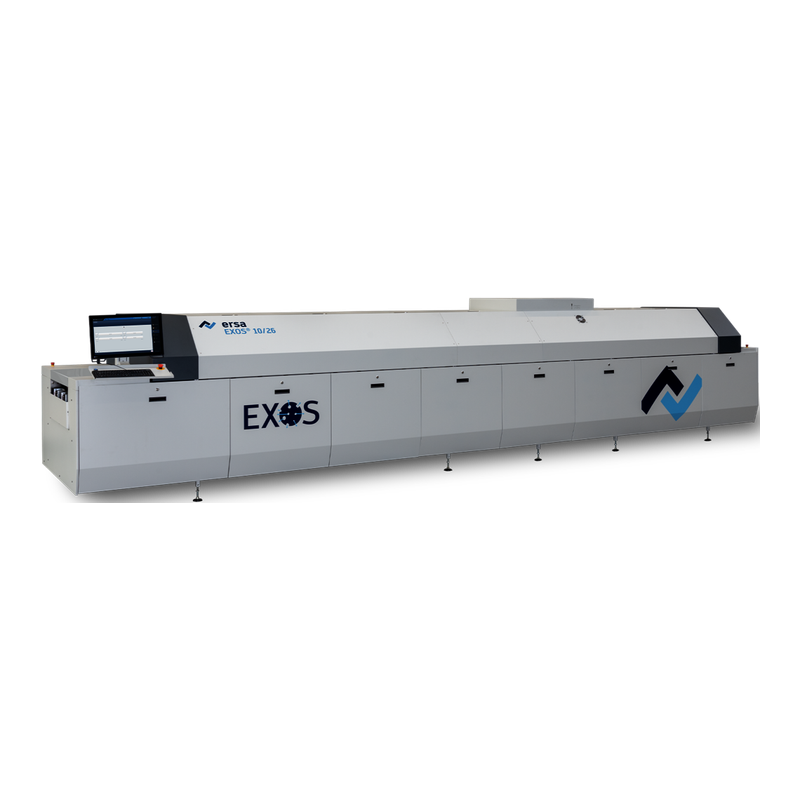
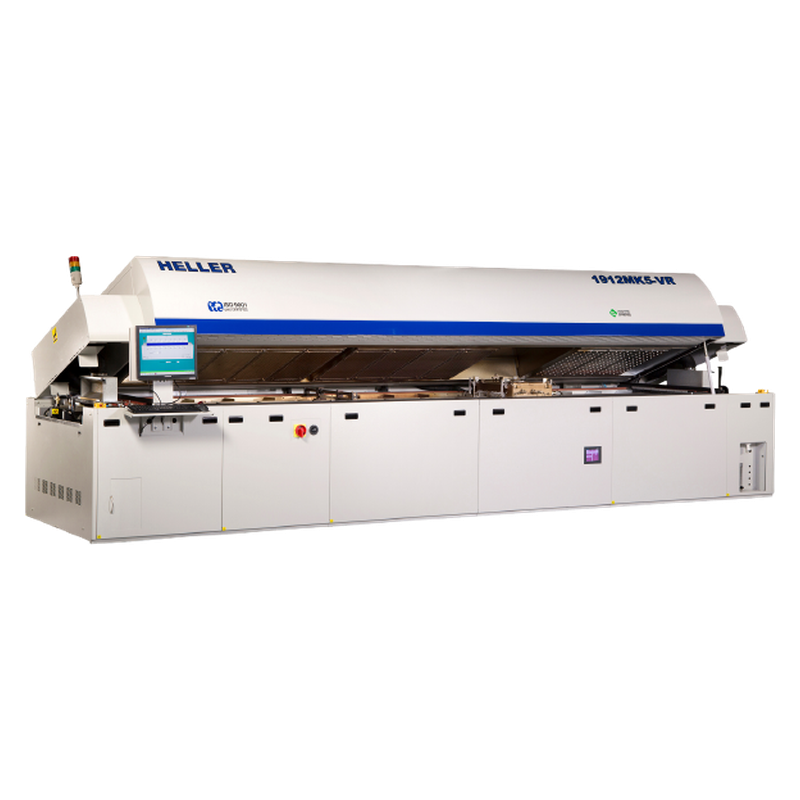
Begin with the actual package, pad geometry, solder material and assembly construction. Explain which concealed connections require evaluation and how the responsible process team will judge them. Vacuum reflow may be relevant to that process question; it is not a substitute for defining it. Ask for independently identified samples and an agreed measurement method. Do not adopt a brochure’s best-case percentage as a release limit or imply that a machine model can guarantee the same result across different materials, boards and joint structures.
Buyer decision 2
Identify the fitted vacuum system
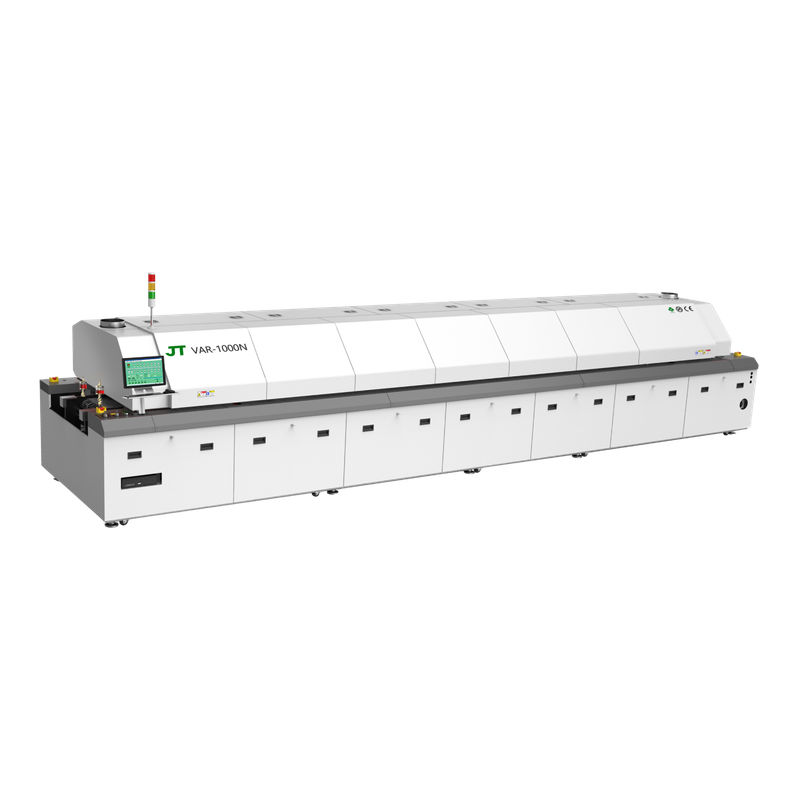
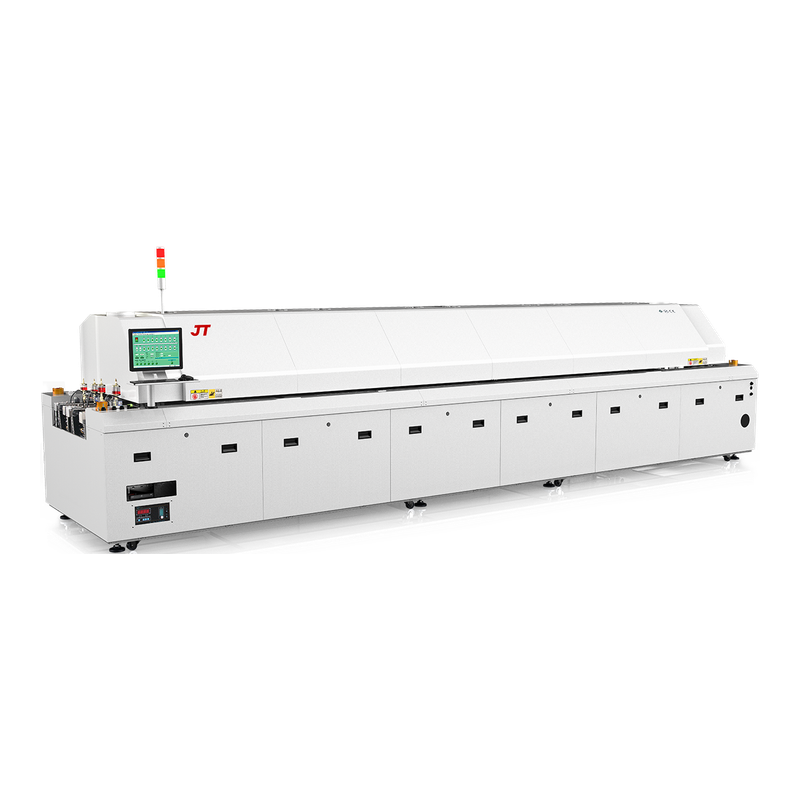
JT describes VAR as an inline reflow platform with an integrated vacuum module and segmented evacuation. That model context does not establish the pump, chamber, controls or options fitted to an offered serial. Request the nameplate, configuration records and an authorized inspection of relevant service items. Keep different VAR and TRV designations separate unless authoritative evidence resolves their relationship. Similar cabinet images are not an alias proof. Manufacturer illustrations help explain the architecture but cannot show seal condition, pump performance or present availability.
Buyer decision 3
Retain a comparable baseline before changing the process
Have qualified personnel define a reference run and vacuum-assisted run with comparable assemblies and documented materials. Retain the relevant thermal history and joint evidence from each. Do not attribute an improvement solely to vacuum when paste, support, temperature, loading or measurement changed at the same time. If the trial requires several changes, identify them and narrow the conclusion accordingly. This comparison need not intentionally create bad joints: use an authorized engineering method and preserve the limits of the sample set and reference process.
Buyer decision 4
Connect pressure history to temperature and transfer
Ask for the recorded evacuation stages alongside the populated-board thermal trace, conveyor sequence and loading pattern. A controller setpoint is not an independently demonstrated chamber result or the solder joint’s thermal history. Identify the pressure measurement arrangement and applicable calibration evidence. Observe transfer and support through the approved sequence without bypassing interlocks. Request clarification of interruptions and recipe changes during the run. The goal is a reproducible, configuration-matched record, not a generic vacuum curve borrowed from another machine or an empty-chamber demonstration.
Buyer decision 5
Keep joint measurement repeatable and interpretable
Agree the inspected joints, acquisition conditions and review method before choosing the most attractive X-ray image. Have qualified inspection personnel explain what the image can resolve and how overlapping structures or different viewing conditions affect interpretation. Retain all agreed samples, not only the best example, and document repeated measurements where appropriate. Do not present an isolated image as production yield or use optical inspection to certify a concealed connection. This guide supplies no universal void threshold; the assembly’s requirements and approved evaluation method govern the decision.
Buyer decision 6
Inspect the obligations behind the result
Request safe, isolated inspection and dated service records for the chamber, seals, pump and relevant transfer components. Clarify cleaning, consumables, calibration, recipe backups and restart responsibility. A short successful trial does not establish long-term pump life or an acceptable maintenance interval. Ask which work is included before delivery and how the process will be rechecked after it. Avoid treating a newly cleaned chamber or an attractive model photograph as evidence of restored performance. Missing service information is a purchase condition to resolve, not an invented failure diagnosis.
Buyer decision 7
Write a bounded acceptance statement
Summarize the machine identity, fitted vacuum arrangement, material and board revisions, thermal and pressure records, joint measurement method and observed sample outcomes. Separate demonstrated results from required follow-up. Common shortcuts are buying the lowest pressure, quoting the best image and ignoring changes between comparison runs. Replace them with a complete, repeatable evidence pack and an agreed acceptance scope. China supplier listings may identify an enquiry route but prove neither a current serial nor stock or condition. No trial, yield or customer outcome is asserted by this article.
Technical Sources
Manufacturer context and limits
Checked 5 October 2026. Published model facts support the examples; the acceptance framework is buyer guidance, not claimed LCSMT field-test evidence.