
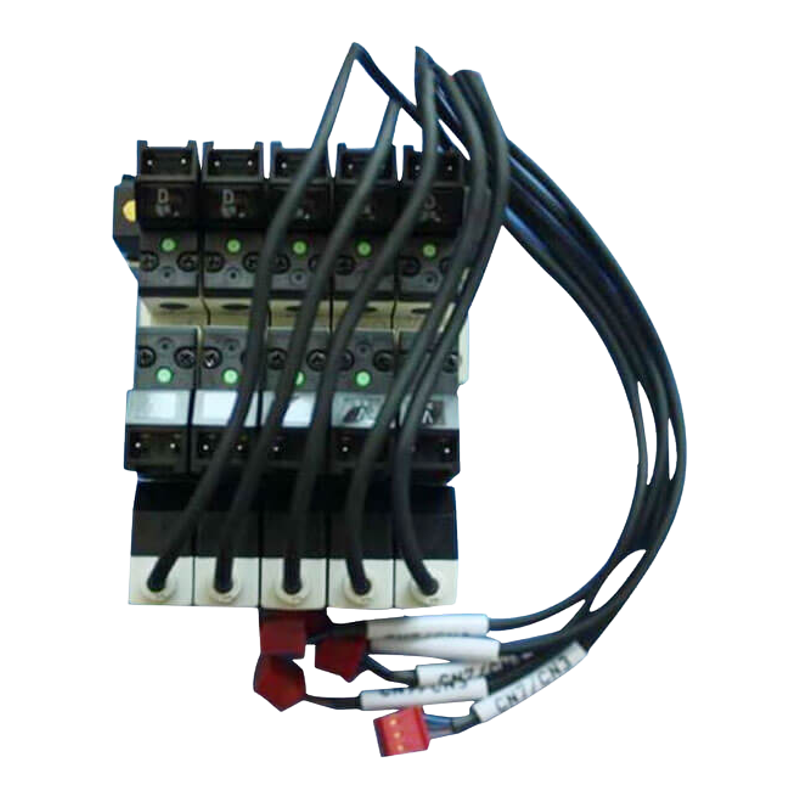
A photograph can lose the connection relationship
A valve block may be removed as one item while its tubes, fittings and electrical leads remain on the machine. A photograph taken from one angle can hide a crossing or a second row of ports. The replacement then arrives with a different viewing orientation, leaving a tidy bundle whose actual connections are uncertain.
Prepare an identification record before qualified service disturbs the connections. It should connect each relevant endpoint to the applicable drawing and installed assembly. A colourful tube, a neighbouring station or an old catalogue image is not enough to establish that relationship.
Recording connections does not authorise service work
SMC gives explicit isolation and residual-pressure precautions for the ZQ product covered by its manual. The examples on this page are different assemblies, so their actual machine and component instructions remain necessary. Only the responsible qualified team should determine the safe state and perform the work.
The map described here organises evidence. It is not permission to unplug a coil, release a fitting, remove a block or restore power. If a connection cannot be identified from the applicable documents, retain that uncertainty for the service decision.
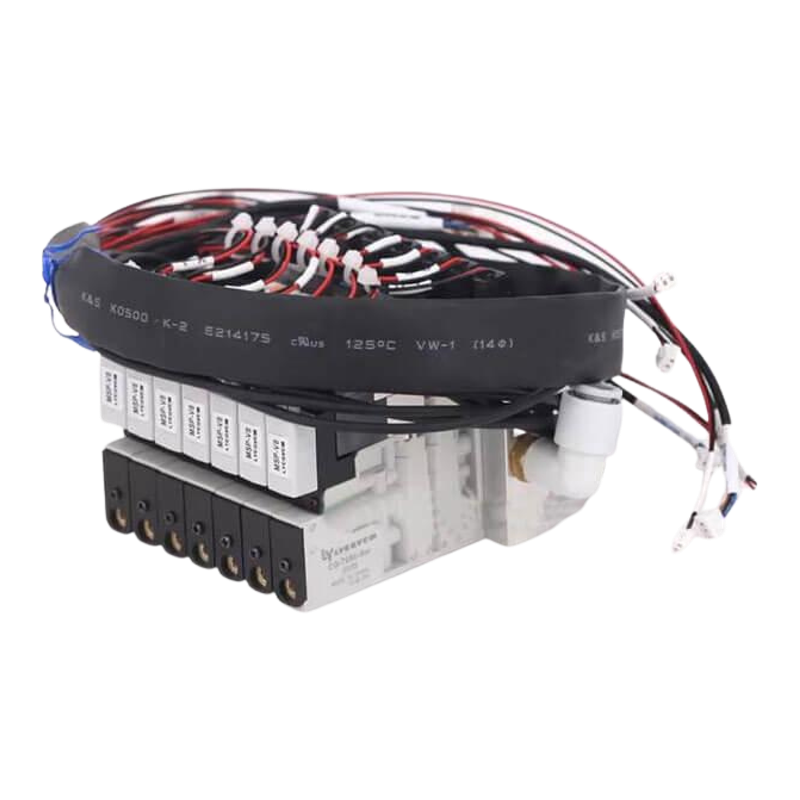
Record both endpoints, not just the visible tube
- Assembly: record its complete label, machine identity, station and the drawing revision being used.
- Port: record the actual port marking and its drawing reference. Leave an unreadable mark unresolved; do not invent a sequence.
- Connection: identify the tube or lead and both endpoints. Include connector keys and any existing labels that distinguish nearby connections.
- Orientation: keep an overview and relevant close views with a clear viewing direction. A photograph from the opposite side should not silently reverse the map.
- Scope: state which fittings, tubes, harnesses and labels will be retained and which belong to the replacement offer.
- Responsibility: identify who will resolve discrepancies and who will perform the required post-service verification.
A block-only replacement and a complete assembly need different handovers
The 40001253 valve reference shows tubing and lead connectors. Its reference picture does not establish whether those items come with an actual quotation. A block-only replacement may retain existing connections; a larger assembly may change the physical routing and included hardware.
The 40050035 ejector reference illustrates another bundled arrangement. Do not transfer a channel map between the two because both handle vacuum. Each record belongs to an identified installed assembly and its own applicable documentation.
Treat conflicting labels as an unresolved connection
If a tube label disagrees with a drawing, retain both readings and the actual photograph. The discrepancy needs a responsible decision; relabelling the tube to make the sheet look complete can erase useful fault history. The same applies when a replacement has a different connector or an omitted fitting.
Separate observed facts from the proposed correction. Record what was present, what remains unknown and which document or actual-item evidence is required. Do not use a maintenance record to declare that a component failed when only an identification problem has been found.
Close the map separately from the function check
A completed connection record shows that the relevant identities and relationships have been accounted for. It does not demonstrate correct vacuum performance, leak condition or sequence. Those results require the applicable machine-specific checks, conditions and sign-off.
Keep the map with the work record and the actual replaced-item identity. Use the separate restart, function and leakage evidence guide to distinguish those result records. No pressure, coil voltage, service interval or test recipe is set by this article.
Technical sources and catalogue examples
The SMC ZQ manual includes power and air isolation and verification of residual-pressure release before maintenance on its documented product. It does not provide a JUKI service procedure or a port map for the pictured assemblies.
SMC ZQ operation manual: product-specific safety and maintenance precautions