Single-lane AOI configuration
TR7700 SII Plus
- Board
- 510 × 460 mm at 10/15 µm; 400 × 400 mm at 6 µm
- Weight
- 600 kg in the current table
SMT equipment sourcing · inspection · packing · global delivery

The TRI TR7700 SII Plus is a hybrid 2D AOI platform with dynamic or stop-and-go imaging on selected configurations. It is not the separately published conformal-coating CI version. Evaluate SII Plus for visible assembly inspection at the required board cycle. Do not accept a dealer’s 3D label as proof of measured height, or transfer coating-inspection functions from SII Plus CI.
Optical inspection of visible components, assembly features and solder joints on PCBAs, with program and review criteria matched to the actual product. Select by the actual board envelope, optical configuration and installation space—not the suffix alone.
Single-lane AOI configuration
Dual-lane version
Current manufacturer model descriptions checked 5 October 2026; numbers remain version-specific. Figures describe standard model configurations, not stock or an offered unit. Dimensions are listed in the source order and exclude the tower light where stated. The representative TR7700-SII-Plus image is not proof of another version or an offered unit’s condition. Request nameplate, configuration and board-trial evidence before selection.
| Imaging modes | Dynamic imaging or stop-and-go on selected configurations |
|---|---|
| Camera choices | 4 MP, 9 MP or 12 MP high-speed color camera; factory setting |
| Sampling choices | 6, 10 or 15 µm; factory setting |
| Lighting | Multiphase RGB+W LED |
| 3d boundary | Manufacturer table lists 3D technology as N/A; no 3D metrology is claimed |
| Standard board envelope | 510 × 460 mm at 10/15 µm; 400 × 400 mm at 6 µm |
| Board limits | 0.6–5 mm thickness and 3 kg maximum in the current table |
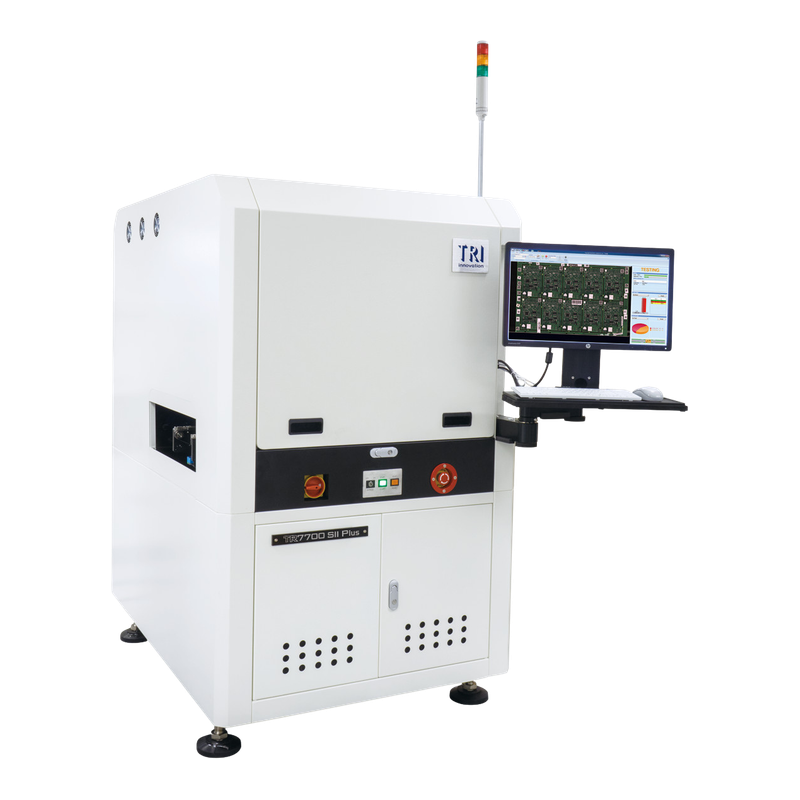
The offer must identify SII Plus or DL nameplate, camera, sampling, imaging mode, conveyor and review software; Labelled component/joint examples, false-call review, full-board cycle, transfer and program-recovery trace.
TRI TR7700 SII Plus selection should begin with production requirements and evidence, not with a model name alone.
For TRI TR7700 SII Plus, start with the component and visible-joint decisions needed on the actual board. Some China listings call this a 3D machine, but the current manufacturer table states 3D technology as N/A. Keep that conflict visible in the enquiry and request the installed optical configuration. A camera image can support defect judgement without establishing calibrated height measurement. This page describes the assembly AOI model, not the separate coating-inspection CI version.
The SII Plus board envelope changes with sampling configuration: the standard 6 µm setup is not assigned the same maximum board size as 10/15 µm. Identify the installed camera and sampling before comparing a panel drawing. The DL version has its own lane and envelope table, so a dual-track photograph must not be treated as standard hardware. Ask for populated-board transfer and support evidence on the offered serial, including underside protrusions and clearances.
TR7700 SII Plus can use dynamic or stop-and-go strategies on selected configurations. Have the supplier identify available modes and demonstrate the proposed program using independently labelled good and defective assemblies. Record the full board cycle, verification workload, false calls and missed examples. Do not combine optimum speed from one camera or sampling row with capability from another. Keep program files, version, settings and review outcomes so acceptance remains tied to the configuration actually tested.
TRI TR7700 SII Plus should be evaluated against the buyer’s optical inspection of visible components, assembly features and solder joints on pcbas, with program and review criteria matched to the actual product. The final application fit depends on the evidence for the specific unit.
These questions keep the quotation scope connected to the buyer’s real SMT process.
TRI TR7700 SII Plus buyers should confirm this with actual-machine evidence before quotation.
TRI TR7700 SII Plus buyers should confirm this with actual-machine evidence before quotation.
TRI TR7700 SII Plus buyers should confirm this with actual-machine evidence before quotation.
Before shipment, review the relevant power-on, movement, operating state and visible condition for the specific offered unit.
Request a dated operating sequence of the offered TRI TR7700 SII Plus. The model-image control requests evidence, not playback of a recorded video.
Request a unit-specific TRI TR7700 SII Plus list for camera and illumination assemblies, calibration references, conveyor parts, controller and licensed review software. Availability is not claimed on this review page.
Provide target assembly, process requirements, imaging modes, installed configuration and destination, required accessories and desired inspection evidence for the proposed TRI TR7700 SII Plus.
Common questions for overseas buyers evaluating a TRI TR7700 SII Plus.
Optical inspection of visible components, assembly features and solder joints on PCBAs, with program and review criteria matched to the actual product. Evaluate SII Plus for visible assembly inspection at the required board cycle. Do not accept a dealer’s 3D label as proof of measured height, or transfer coating-inspection functions from SII Plus CI.
SII Plus or DL nameplate, camera, sampling, imaging mode, conveyor and review software. Request the exact nameplate and option list.
The TRI TR7700 SII Plus illustration is model-reference imagery, not a dated stock photograph. Serial, location, condition, price and running evidence require separate confirmation.
The V3 scrolling proof gallery is retained. It describes LCSMT export preparation, not the condition of a particular TRI TR7700 SII Plus unit.
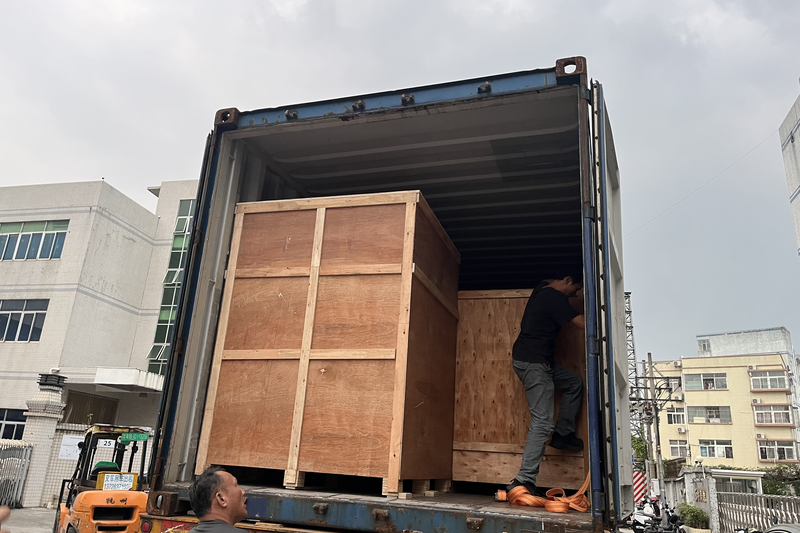
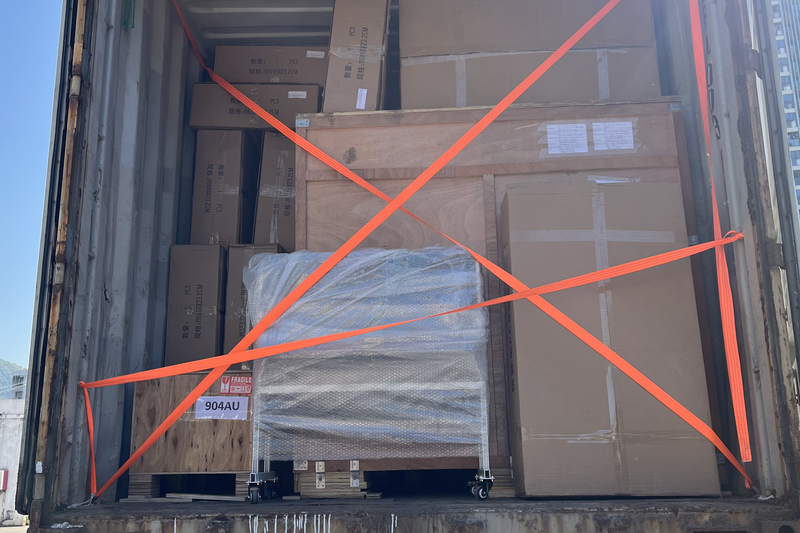
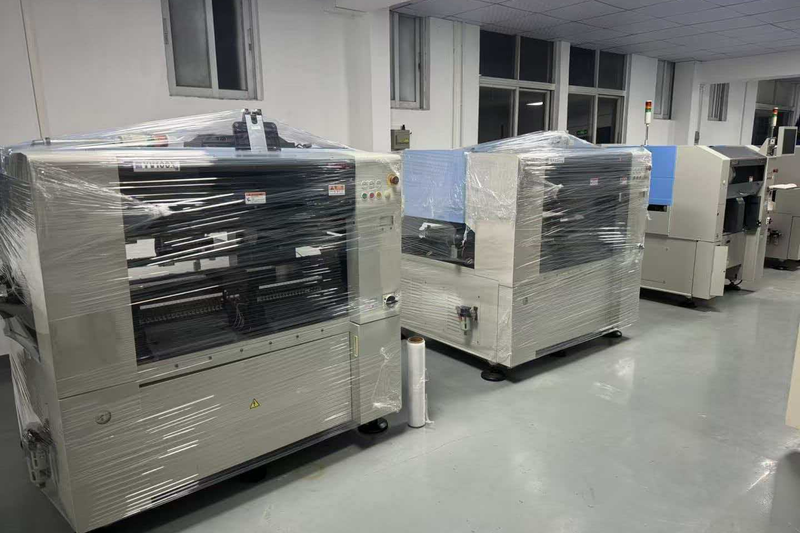
Share target assembly, process requirements, imaging modes, installed configuration and destination and inspection expectations. LCSMT can review whether an actual TRI TR7700 SII Plus configuration is a practical match.