
Buyer decision 1
Compare the installed configuration
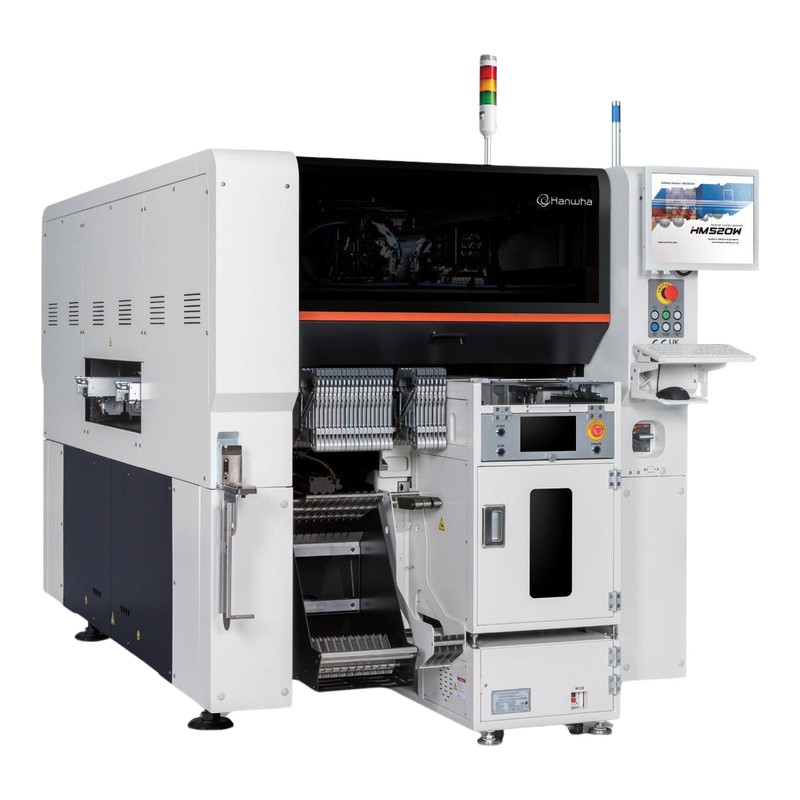
Two offers bearing the same mounter model can differ in heads, recognition hardware, nozzles, feeders and software. The useful RFQ begins with the installed front and rear head arrangement. Hanwha describes HM520W with MF and HP choices, each with its own published speed and accuracy. Those figures are not one simultaneous guarantee. A model photograph identifies a reference platform, not the included configuration or the condition of an offered used unit.
Buyer decision 2
Map the component mix before choosing the head
Build a list that includes the smallest chips, long connectors, large bodies, difficult surfaces and unusual pickup requirements. Record package outline, height, supply format, orientation and required placement tolerance from the controlled component and board documentation. Ask which head, tool and recognition method is proposed for each outlier. If a package code is ambiguous, resolve the naming convention rather than converting it into dimensions by assumption. Keep unsupported components visible in the selection matrix.
Buyer decision 3
Do not splice brochure columns together
The current manufacturer specification describes an eight-spindle MF arrangement and a three-spindle HP arrangement, with different optimum rates and accuracy statements. Keep each figure attached to its own configuration and stated conditions. Do not use the fastest rate from one column and the tightest accuracy from another to describe a single offer. Even a correctly quoted optimum CPH does not establish completed-board output for a mixed program; recognition, feeder access and handling can change the actual cycle.
Buyer decision 4
Measure the difficult board, not an easy chip pattern
Provide the agreed board revision, component lot and feeder plan. Witness recognition, pickup and placement, retaining rejected components and any manual recovery. Measure the complete representative program with replenishment and changeover context, then compare it with upstream printing and downstream inspection. Use the buyer-approved method to assess placement results. A machine-running video helps identify the sequence, but it cannot replace measurement of the result or the calibration record.
Buyer decision 5
Tie accessories and sourcing to one real machine
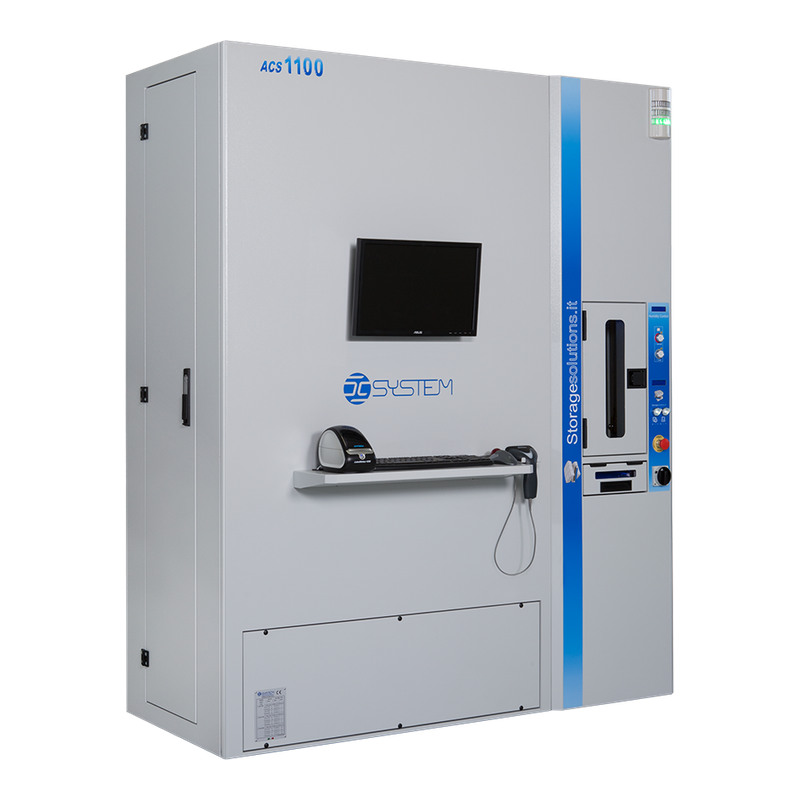
Request a serial photograph, both head identifications, feeder and nozzle list, calibration record, software option screen and transport views. A China sales catalogue is a lead for follow-up, not LCSMT stock confirmation. Ask the supplier for dated whole-machine evidence and the actual included accessories before judging price or delivery. Reel storage such as ISM1100 supports a different material-management task; it does not add placement capability or prove that the mounter’s feeders are included.
Buyer decision 6
Make the quotation comparable
The final RFQ should list the board and packages, installed head plan, tools and feeders, recognition scope, measured trial requirements and unresolved exclusions. Common mistakes are treating every suffix as a new machine, combining incompatible performance figures, or comparing prices without accessory scope. A successful trial establishes the tested configuration and job, not every future product. Requalify when heads, tooling, components or program conditions change. Keep purchase decisions tied to evidence rather than the model label alone.
Technical Sources
Manufacturer context and limits
Checked 4 October 2026. Published model facts support the examples; the acceptance framework is buyer guidance, not claimed LCSMT field-test evidence.