Buyer decision 1
Compare one installed configuration at a time
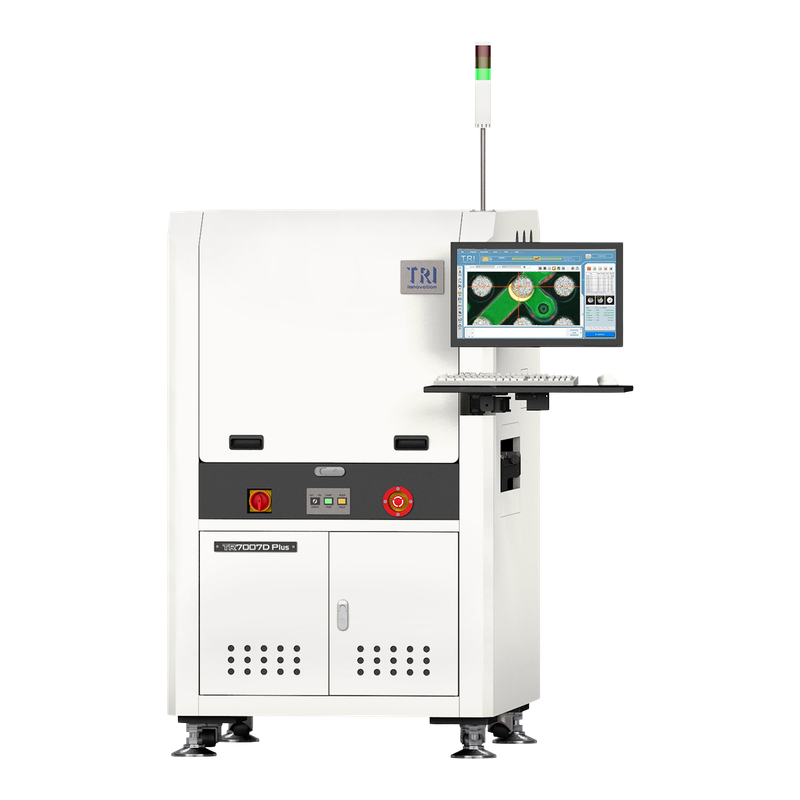
An SPI comparison becomes misleading when the smallest sampling, largest board and fastest scan are lifted from different rows and presented as one machine. TRI’s D/DI Plus and D SII descriptions provide version-specific camera and handling choices. Begin with the nameplate and configuration identification, then ask for the matching table. A newer generation or a larger megapixel count does not by itself establish the delivered measurement performance, coverage or inspection time for your printed board.
Buyer decision 2
Define the paste task before choosing optics
Supply the deposit geometry, smallest features, pad finish, stencil context and defect examples that matter to the process. Agree an independent reference method and decision criteria with qualified personnel. Keep sampling interval, height-related measurement and claimed accuracy distinct; one must not be renamed as another. The required optical task may be obscured by reflective backgrounds or nearby structures. A colourful reconstructed deposit helps review the result but is not by itself a calibrated measurement or a demonstrated defect decision.
Buyer decision 3
Verify board support and clearance on the serial
Ask the seller to show conveyor width, supports, board thickness and loaded clearances for the actual configuration. Include a representative warped or difficult board rather than only a flat calibration sample. In the D family, different camera and sampling choices have different published board envelopes, and large-board variants need separate identification. Do not assume every board within a nominal outline can be transported or measured with the same coverage. Retain the proposed handling arrangement with the optical configuration.
Buyer decision 4
Retain repeated measurements and labelled calls
Use known acceptable and intentionally labelled problematic deposits, with the supplier’s approved test method. Repeat inspection without quietly changing the sample, program or criteria. Preserve raw height, area, volume and positional records as applicable, together with false calls, missed examples and verification decisions. Investigate inconsistent results through calibration, sample stability, programming and handling before assigning a cause. A single accepted board cannot establish repeatability across production, and this guide does not prescribe a universal release threshold.
Buyer decision 5
Measure the entire board and review sequence
Record loading, scanning, transfer and verification work for the representative board. A small field-of-view speed or an optimum scan claim is not complete board throughput. If process feedback or MES transfer is part of the purchase, identify the installed options and demonstrate the complete supported transaction. Keep a failed or rejected result in the test set so exception handling is visible. Network access alone does not show that the intended data exchange, licenses or printer feedback are included.
Buyer decision 6
Merge the family without hiding version differences
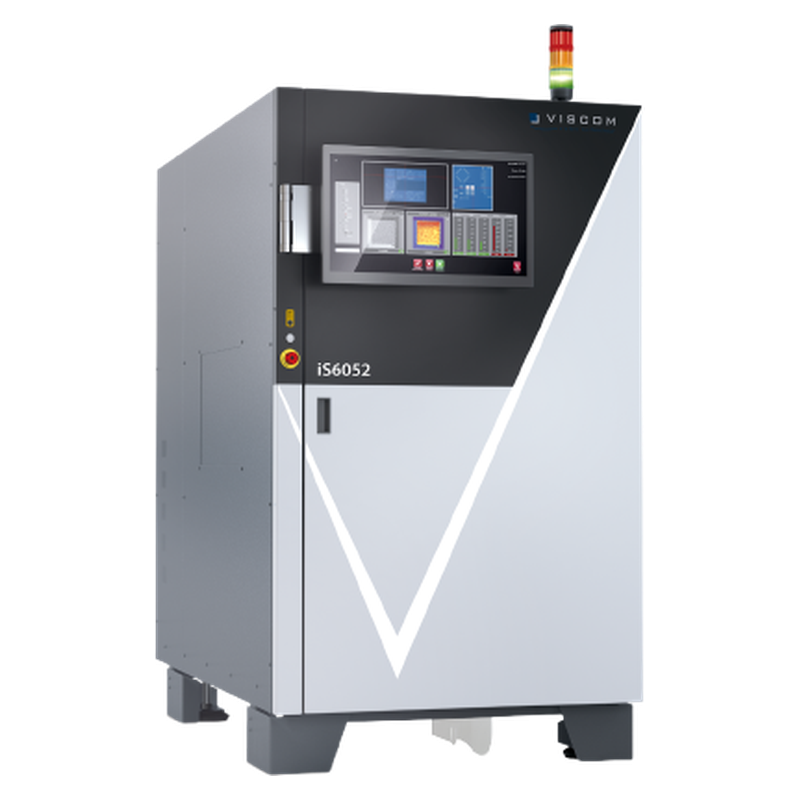
D/DI Plus and D SII can be discussed on one family page while camera choices, illumination options and board limits stay attributed to their stated version. The representative cabinet image identifies a reference model, not another generation’s installed hardware. Ask for the exact offered version before applying a comparison row. Common mistakes are to treat the family table as a combined maximum specification or assume a suffix upgrade is included. Correct them with configuration evidence and a matched sample trial.
Buyer decision 7
Use SPI evidence for the process it measures
The acceptance pack should contain the exact configuration, reference method, repeated paste measurements, defect-review outcomes, handling evidence and complete cycle conditions. Its conclusion applies to the tested deposits and setup. It is not proof of post-reflow joint integrity or electrical continuity. Keep downstream process checks separate, and reassess after stencil, paste, board or inspection-program changes. Public China whole-machine leads help locate a candidate; they do not establish current serial, condition, calibration or stock.
Technical Sources
Manufacturer context and limits
Checked 5 October 2026. Published model facts support the examples; the acceptance framework is buyer guidance, not claimed LCSMT field-test evidence.