Buyer decision 1
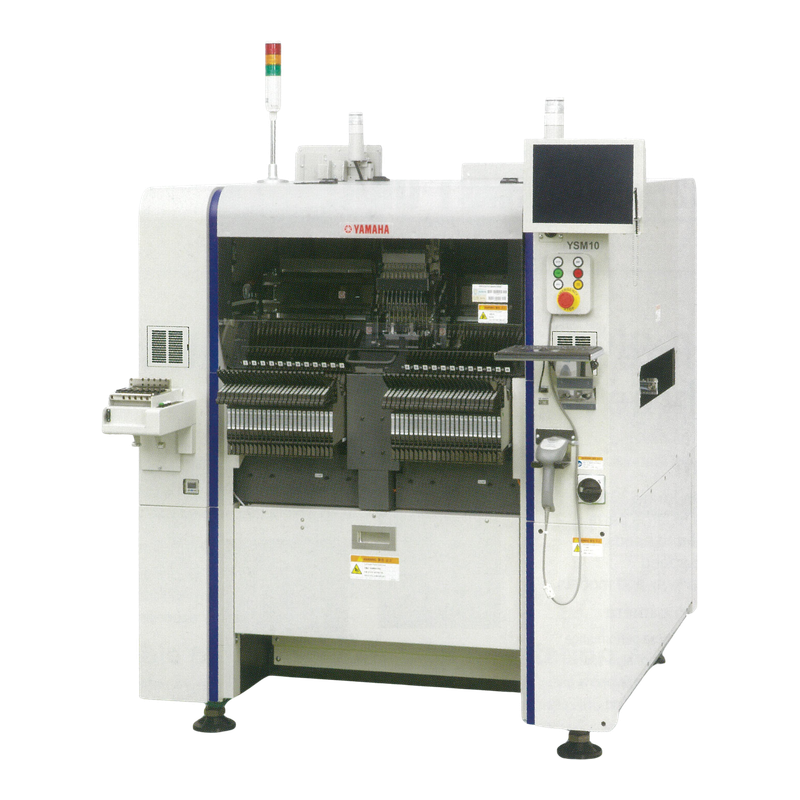
Turn the feeder promise into an identified list
Ask for the feeder types, generations, quantities and identifiers actually included with the machine. Separate supplied feeders from a statement that the model supports them. Retain photographs and a dated inventory associated with the offered serial, without implying ownership of another seller’s equipment. Include tape widths, special feeding arrangements and the buyer’s existing assets in the enquiry. A large empty feeder bank or an optimum placement headline does not establish that the required component mix can run with the quoted package.
Buyer decision 2
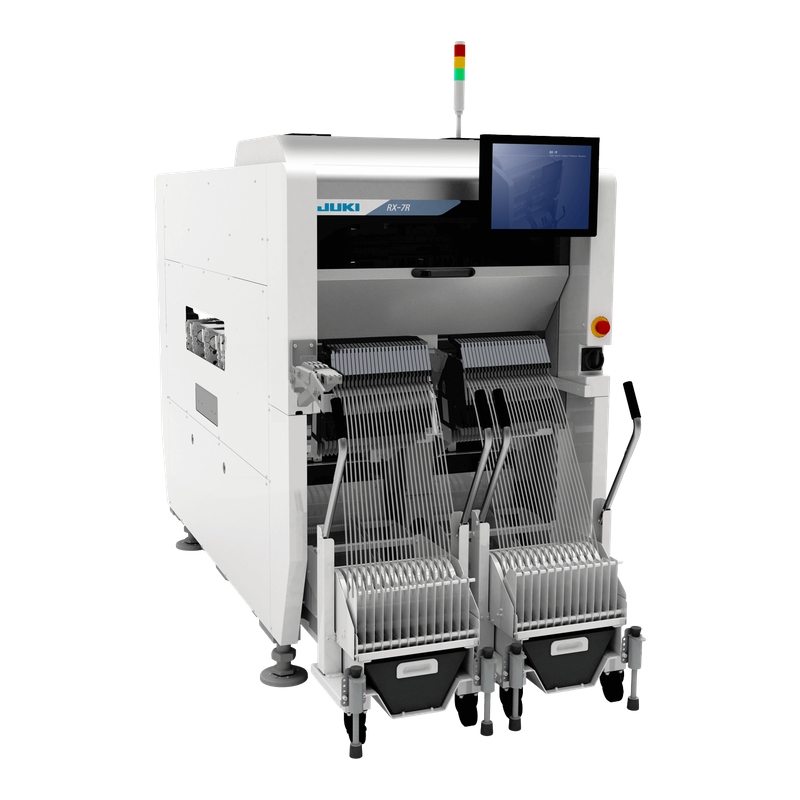
Check the model and generation boundary
JUKI describes electric or mechanical feeder choices for JX-350, while RX-7R offers fixed-bank or trolley arrangements. These are model-specific contexts, not a promise that any feeder can move between them. Ask the manufacturer or authorized support party to confirm the proposed combination and software requirements. Inspect actual connectors and identification safely using the supported method. Do not infer compatibility from the same brand, a similar mounting shape or a dealer’s generic description. List adapters or unresolved support questions explicitly rather than inventing an upgrade path.
Buyer decision 3
Match components to the installed head
The RX-7R manufacturer release separates P16S and optional P8 capabilities. A quoted machine must identify its fitted head and nozzles before a component envelope is applied. For JX-350, lens-related nozzle and handling options need their own evidence. Prepare a representative component list with dimensions, height, recognition surfaces and feeding method. Do not combine the smallest package from one head, the largest from another and the optimum catalogue rate into one promised setup. Ask which work needs a flexible companion machine rather than hiding the limitation.
Buyer decision 4
Test feeding under the actual application
Agree a safe demonstration with representative components and a traceable setup. Observe indexing, pickup, recognition and placement, retaining missed pickups and interventions as well as successful boards. Have qualified personnel assess nozzle and feeder condition using the appropriate procedures; a photograph alone cannot establish wear or calibration. Do not intentionally damage a feeder to simulate a fault. If a supplied item cannot be demonstrated, keep its status unresolved and specify the acceptance evidence required before it becomes part of a claimed usable production package.
Buyer decision 5
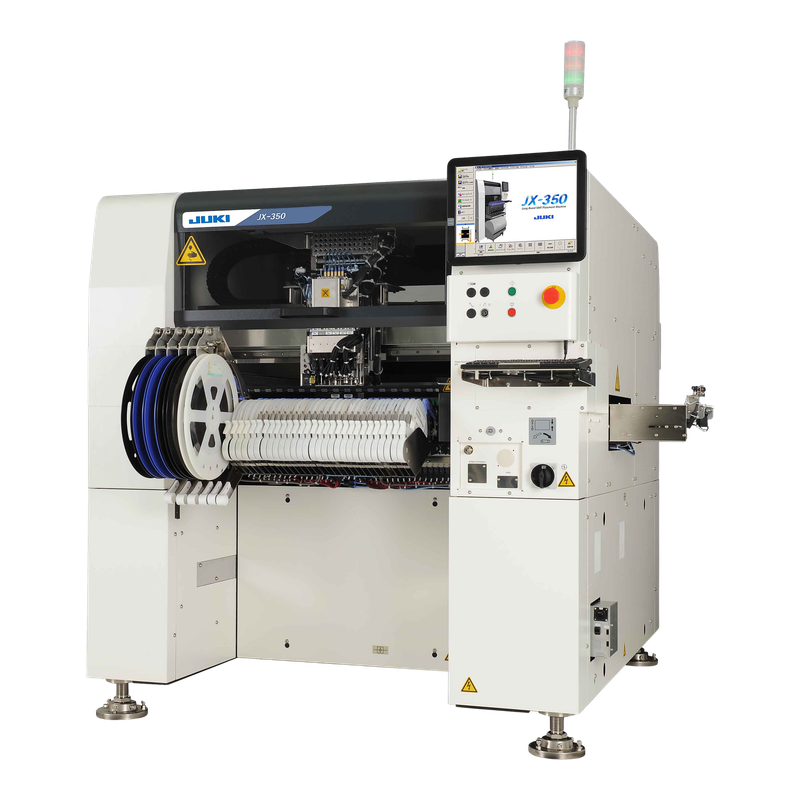
Measure the whole changeover sequence
Define the starting job, target job and what constitutes the first accepted board. Include material verification, supported feeder or trolley changes, program selection, board support and the required review. Record the involved operator actions and elapsed sequence, not only a trolley movement. Have responsible personnel check that the intended revision is loaded and that residual material is handled correctly. A fast mechanical exchange cannot prove a safe, verified production changeover. If preparation occurs offline, document that work rather than treating it as absent from the comparison.
Buyer decision 6
Keep programs and ownership with the setup
Request the authorized software, licenses, program backups, maintenance records and recovery responsibility appropriate to the actual machine generation. A feeder list without a matched setup program can leave substantial commissioning work. Ask the supplier to demonstrate an approved, non-destructive recovery and verify the restored job before placing a board. Do not copy another serial’s proprietary files or assume a controller upgrade is supplied. Put missing deliverables, service and support work into the offer, with a responsible party and a clear verification boundary.
Buyer decision 7
Accept the usable package rather than a cabinet
The final evidence pack should link the serial, installed heads, included feeder identifiers, representative component trial, changeover sequence and recovery deliverables. Distinguish demonstrated capability from catalogue support and unresolved accessories. Common mistakes are buying by feeder count, assuming cross-generation compatibility and timing only a mechanical change. Correct them with an identified package and a repeatable first-board check. Public China channels help locate candidates; they do not certify availability, maintenance or condition. This framework does not assert a LCSMT production trial, calibration result or guaranteed placement rate.
Technical Sources
Manufacturer context and limits
Checked 5 October 2026. Published model facts support the examples; the acceptance framework is buyer guidance, not claimed LCSMT field-test evidence.