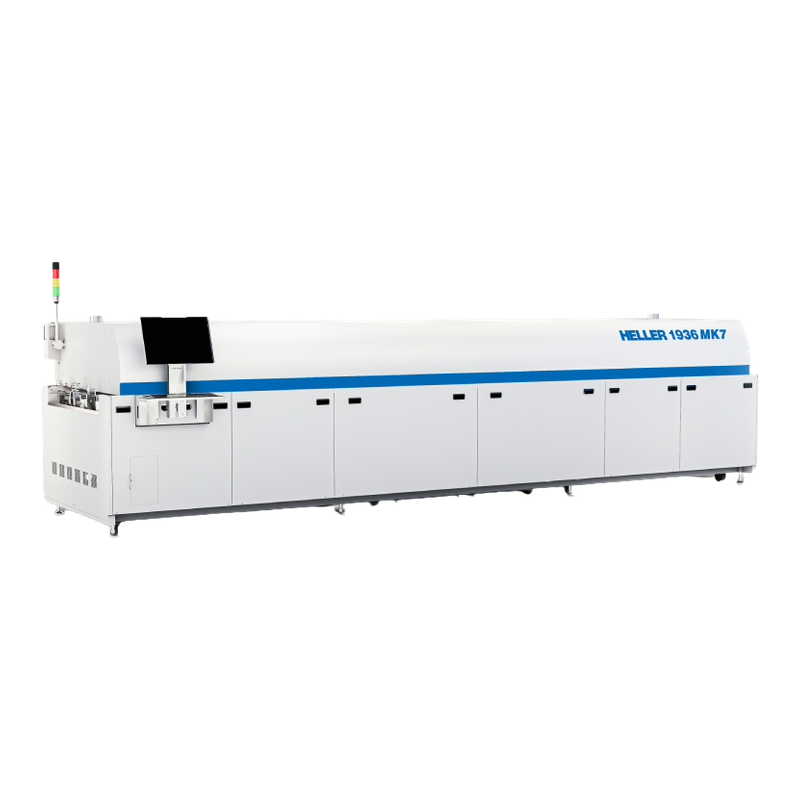
Buyer decision 1
Distinguish a running desktop from production readiness
The buying risk is not only whether an oven heats today. It is whether the equipment can recover its approved recipes and controlled state after a computer or controller problem. A seller may show a familiar interface while documentation, backups or licenses remain missing. Start by listing the actual computer, controller, software version, communications and recipe storage. Keep this identity record with the offered serial. A family model name does not identify every control-system revision used over the equipment’s life.
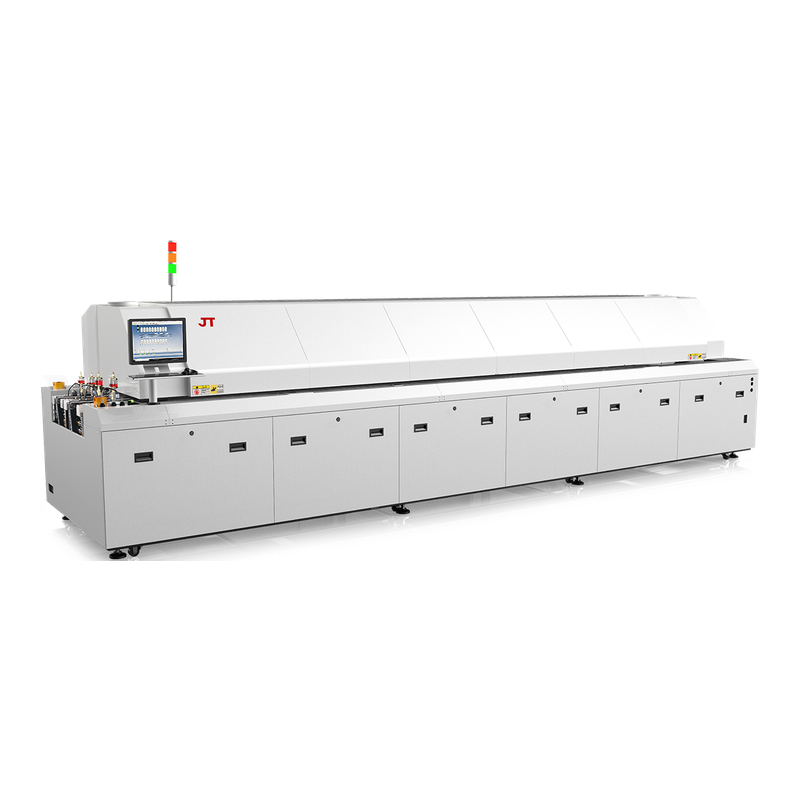
Buyer decision 2
Do not silently modernize the source description
JT’s TEA manufacturer page names Windows 7, while also describing PLC/PID control. This is a reason to ask about the actual offered system, not to assert that every TEA has an identical computer or that a newer operating system has been installed. Record the system as observed and obtain the supplier’s support position. Have the factory’s IT and equipment teams review network exposure and authorized maintenance. Do not independently update drivers, firmware or the operating system during a purchase demonstration.
Buyer decision 3
Ask what the backup can actually restore
Request a documented inventory of recipes, configuration, calibration-related records, installation media and license or entitlement information. Establish who can restore each part and which hardware replacement assumptions apply. A folder labelled backup does not show that it is current, readable or sufficient for recovery. Avoid collecting unnecessary credentials or copying proprietary material without authorization. The buyer needs an agreed recovery capability and responsible support party, not a pile of unexplained files from another machine.
Buyer decision 4
Agree a safe restoration demonstration
Ask the equipment supplier to propose an authorized, non-destructive recovery demonstration. Compare a known approved recipe with its restored version and show how controller communication and settings are verified afterward. Keep the observed version and result. Do not overwrite a working system or simulate hazardous faults merely to obtain evidence. If a demonstration cannot be performed safely before sale, list it as an unresolved acceptance condition and specify the supplier’s planned method rather than claiming the recovery process has passed.
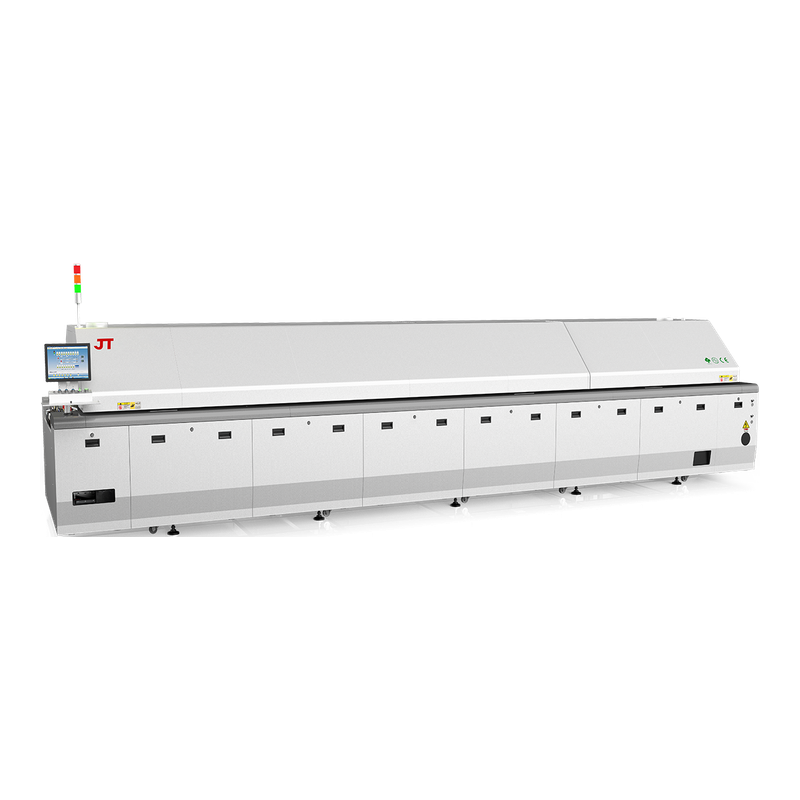
Buyer decision 5
Include the process state after recovery
Restoring a file is not the same as returning the oven to a qualified process. Ask which interlocks, temperature stabilization, conveyor checks and recipe verification are required by the manufacturer before restart. Have responsible personnel supervise the sequence and measure the representative loaded-board profile afterward. Preserve changes and intervention records. The acceptance question is whether the documented procedure returns this equipment and assembly to the agreed state, not whether a software screen can be made to show its previous numbers.
Buyer decision 6
Put the remaining work into the offer
Assign responsibility for missing media, controller repairs, licenses, computer replacement, authorized software installation and post-recovery qualification. Separate included deliverables from optional services. Review compatibility with the factory’s maintenance and network policies before agreeing integration. Common mistakes are to accept screenshots as a backup, treat another serial’s files as suitable, or assume modernization is included. Remedy these with a configuration-matched restoration plan and a clear supplier commitment instead of inventing a supported upgrade path.
Buyer decision 7
Keep software and thermal evidence linked
A useful evidence pack contains observed identities, a backup inventory, authorized recovery steps, the demonstrated outcome and any required requalification. It applies to the recorded hardware and software revisions. Reassess after replacement or significant configuration changes. Request a unit-specific sequence and unresolved-work list with the quotation. This framework does not claim a cybersecurity audit, software entitlement verification or a completed equipment recovery; those require the appropriate responsible specialists and actual machine evidence.
Technical Sources
Manufacturer context and limits
Checked 5 October 2026. Published model facts support the examples; the acceptance framework is buyer guidance, not claimed LCSMT field-test evidence.