Buyer decision 1
Ask what is inside the advertised cycle
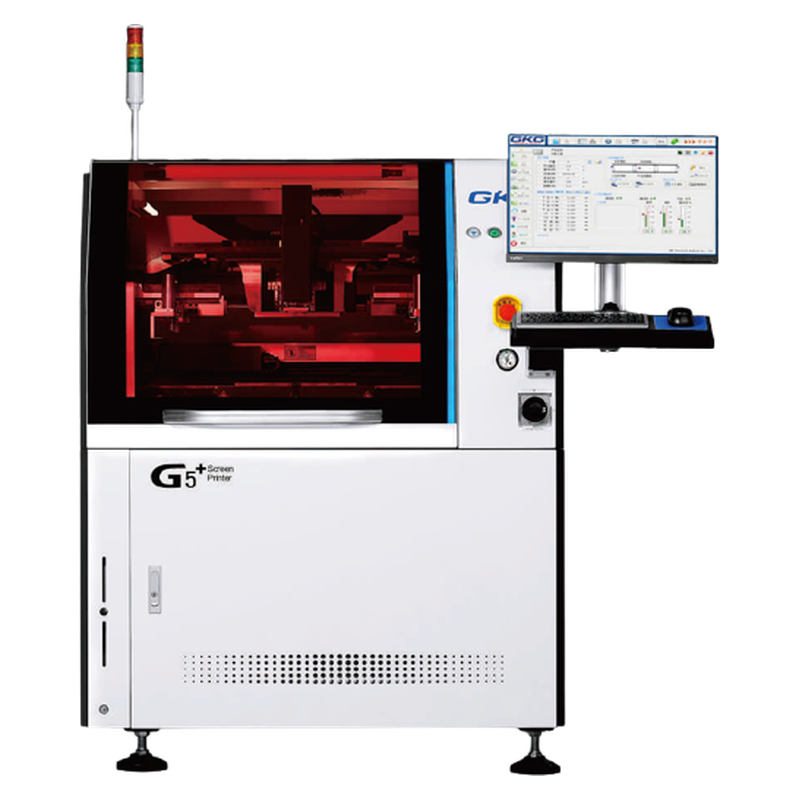
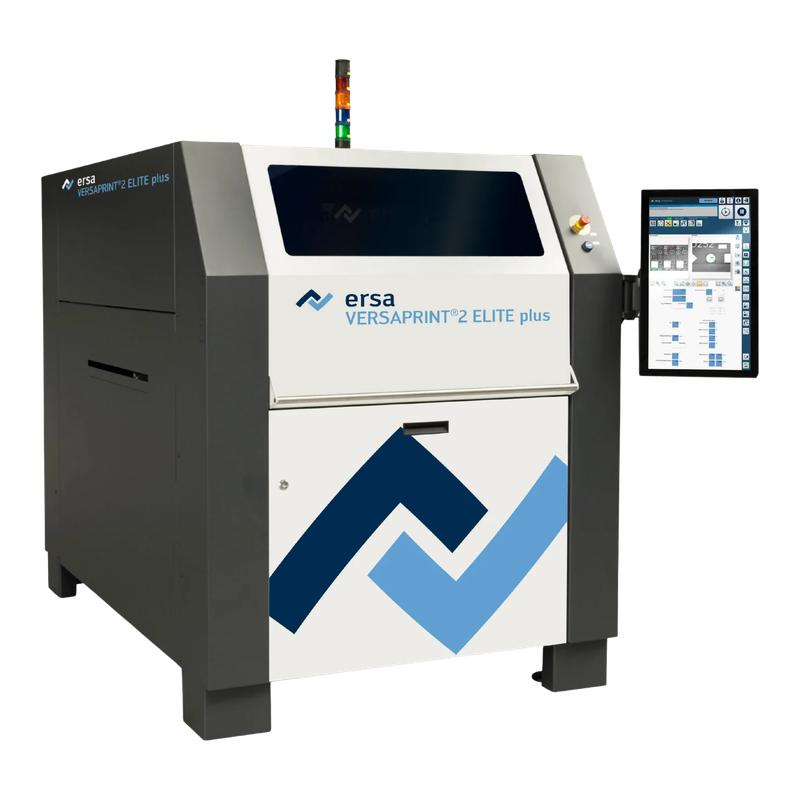
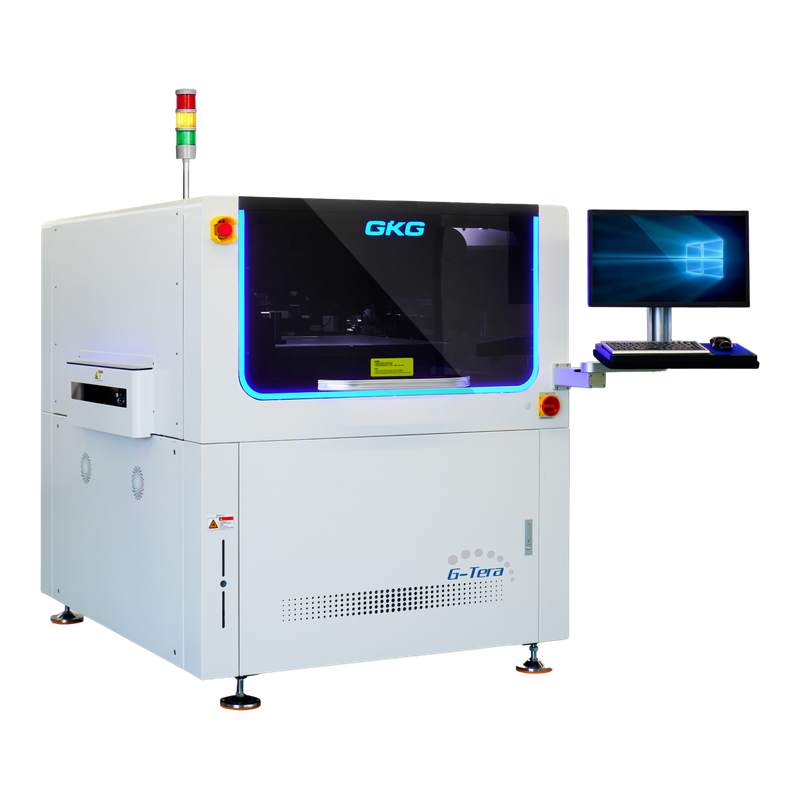
A printer timing comparison is useful only when its start, finish and exclusions are known. GKG’s G-Tera source distinguishes a core cycle that excludes printing and cleaning from an actual-cycle example that includes them. Those definitions cannot be collapsed into one guaranteed board rate. Ask the seller to identify the definition behind each figure and the demonstrated recipe. Keep transport, alignment, printing and cleaning assumptions visible. A quick empty-machine movement is not evidence of sustained paste-deposit quality on the buyer’s production assembly.
Buyer decision 2
Define the stencil and board challenge first
Supply the board revision, stencil frame and apertures, paste requirements and relevant support constraints. Identify fine deposits and large openings that must be evaluated together. Ask the process owner to define the acceptance and measurement method rather than borrowing a universal limit from an unrelated job. Verify clamping and underside support on the actual configuration. A board within the advertised envelope may still need different tooling. Keep any trial changes to stencil, material or support in the record so timing and quality comparisons remain meaningful.
Buyer decision 3
Describe the installed cleaning sequence
Request the actual dry, wet and vacuum-related cleaning functions where fitted, their consumables and the selected order. G-Tera describes paperless dry and secondary wet cleaning, but the image does not prove a particular offered machine includes every option. Ask which cleaning settings are recipe-controlled and what operator work remains. Have qualified personnel review safe access and maintenance instructions. Do not transfer another printer’s cleaning architecture or assume automatic replenishment, jetting or stencil exchange is included because it appears in a family brochure.
Buyer decision 4
Check deposits before and after scheduled cleaning
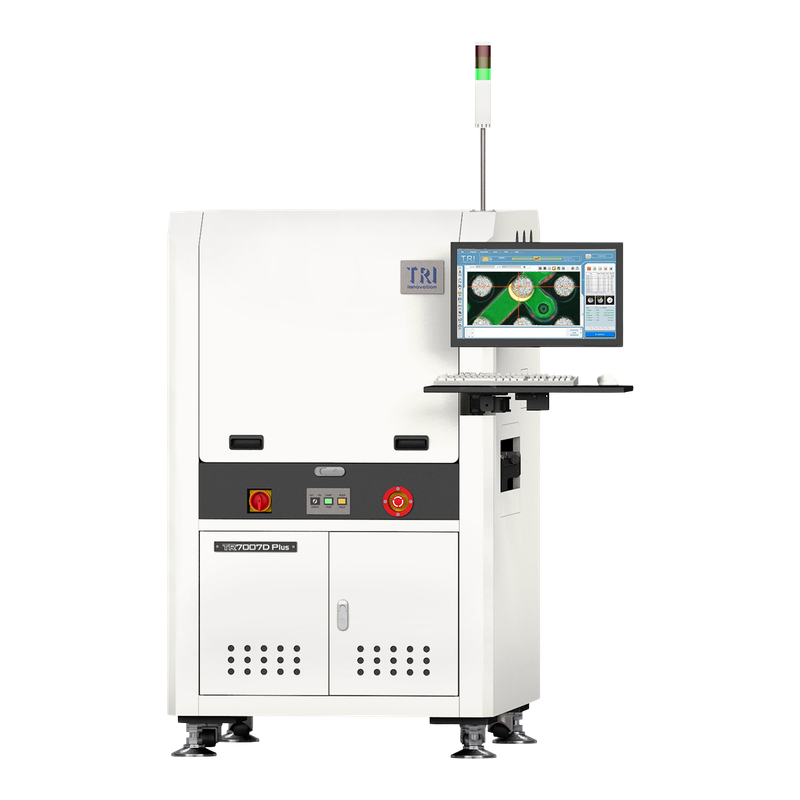
Agree representative samples across the demonstrated cleaning interval, including the boards immediately before and after cleaning. Retain the recipe and inspection results at the relevant deposits. SPI can support that review when its measurement method and configuration are suitable; it does not replace defining the printing task. Investigate changes with the process team rather than immediately blaming the cleaning hardware. A single good board after cleaning cannot establish stability through a longer run or justify extending the interval without suitable evidence and authorization.
Buyer decision 5
Measure the cleaning burden in a complete run
Record completed boards and elapsed time over a run that includes the agreed number of cleaning events, transfers and operator interventions. Identify stops for material handling and distinguish them from automatic cleaning. Compare like board mixes and settings before estimating useful capacity. Do not silently remove difficult events from the timing sample. If a proposed schedule is only an estimate, label it as such and state what trial would verify it. A catalogue number remains a reference condition, not a commitment to the buyer’s required output.
Buyer decision 6
Include recovery and consumables in the enquiry
Ask for the consumables, service items, cleaning access, recipe backup and supported restart sequence supplied with the offered unit. Clarify who restores the process after maintenance and which checks must be repeated. A cleaner exterior or replacement material does not demonstrate deposit recovery. Have the supplier show an approved changeover and return to the agreed process without unsafe operation. Record unresolved automation or service work separately in the offer; do not turn it into an assumed upgrade, included accessory or verified machine condition.
Buyer decision 7
Compare sustained output with its quality boundary
A useful comparison preserves cycle definitions, the actual cleaning recipe, tooling, material, sampled deposits and complete-run timing. State the assembly and conditions to which its conclusion applies. Common mistakes are combining the shortest core cycle with the most intensive cleaning recipe, counting only good-looking samples and ignoring intervention. Remedy them with a documented run and configuration-specific acceptance. The illustration here is a model reference, not supplier-unit evidence. This article offers purchase and inspection questions; it asserts no LCSMT trial, stock, paste-process qualification or guaranteed production capacity.
Technical Sources
Manufacturer context and limits
Checked 5 October 2026. Published model facts support the examples; the acceptance framework is buyer guidance, not claimed LCSMT field-test evidence.