Magazine loaders: calculate operator replenishment before buying more positions
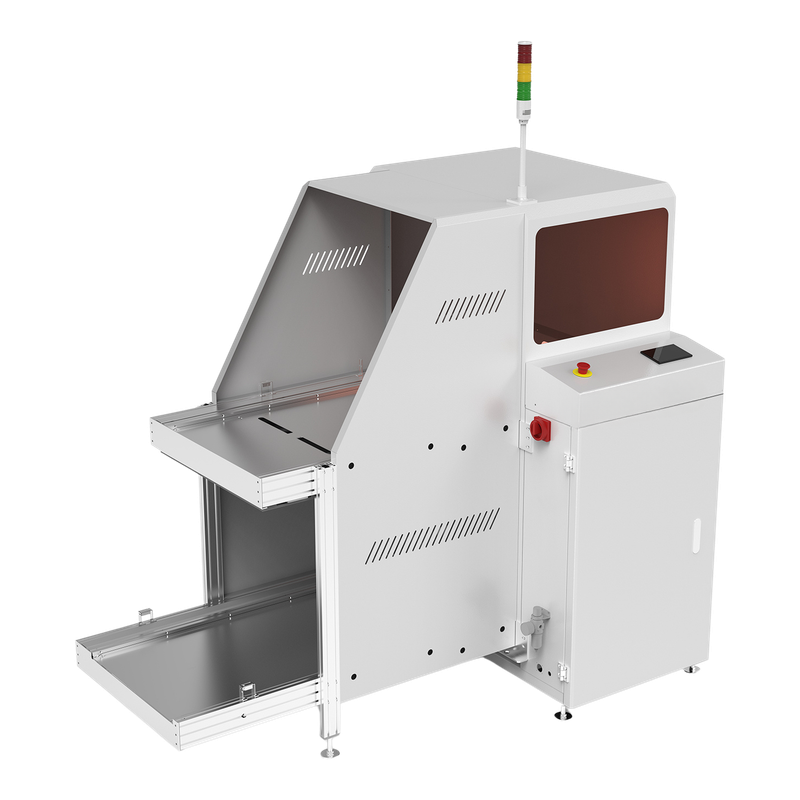
Magazine positions are not an unattended-production guarantee. Estimate the usable boards and the time available for an operator to replace the incoming material.
SMT equipment sourcing · inspection · packing · global delivery
SMT Classroom
Plan transport direction, replenishment, buffer capacity and machine-to-machine handoffs.
44 practical guides · 5 learning topics

8 guides · Showing 1–8 · Page 1 of 1

Magazine positions are not an unattended-production guarantee. Estimate the usable boards and the time available for an operator to replace the incoming material.

Left-to-right and right-to-left operation involves more than belt rotation. Review the fixed rail, sensors, interface wiring and process-specific transport sequence.

Two magazines do not automatically mean two independent production lanes. Ask how the pusher, lift and controller arbitrate competing requests.

An inspection island must preserve the product assignment while magazines, recipes and output destinations change. Review the transition between batches, not only steady running.

Cabinet height and board-transfer height are different measurements. Confirm the rail plane, adjustment range and installed alignment at both ends.

Prove material identity and recovery at the interface—not merely that a robot reaches a warehouse door.

Nominal slots are only the starting point. Calculate the interruption allowance from usable positions, then demonstrate output order, backpressure and a recovery rate that clears the queue.

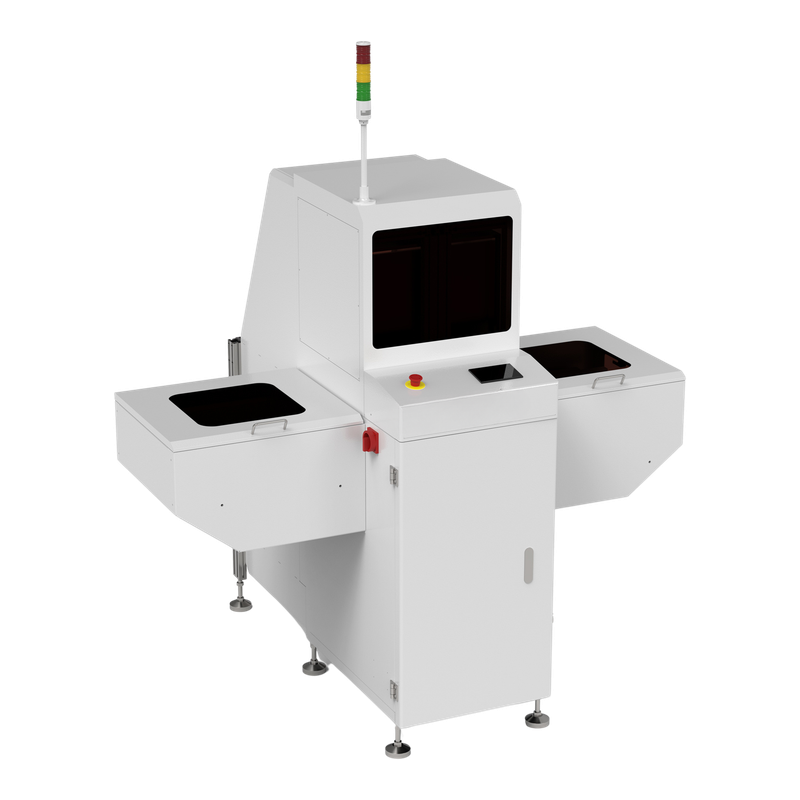
A walkway gate, a routing shuttle, an in-plane turn and a board flipper solve different layout problems. Describe the intended movement before choosing the cabinet.